Solid-State Batteries: The 2025 Shift in Energy Density
"The journey to create safer, longer-lasting batteries begins with changing the very form of the electrolyte."
Battery manufacturing is evolving beyond the limitations of liquid electrolytes, moving toward solid-state and hybrid methods to boost both safety and energy density. This technological shift aims to prevent overheating while allowing for much faster charging speeds.
Key Takeaways * Electrolyte Evolution: Transitioning from liquid to solid or hybrid states. * Enhanced Safety: Lower heat generation during failures and wider operating temperatures. * Charging Innovation: Drastic reductions in charge times through solid-state breakthroughs.
* Supply Chain Shifts: The rise of modular factories and specialized logistics.
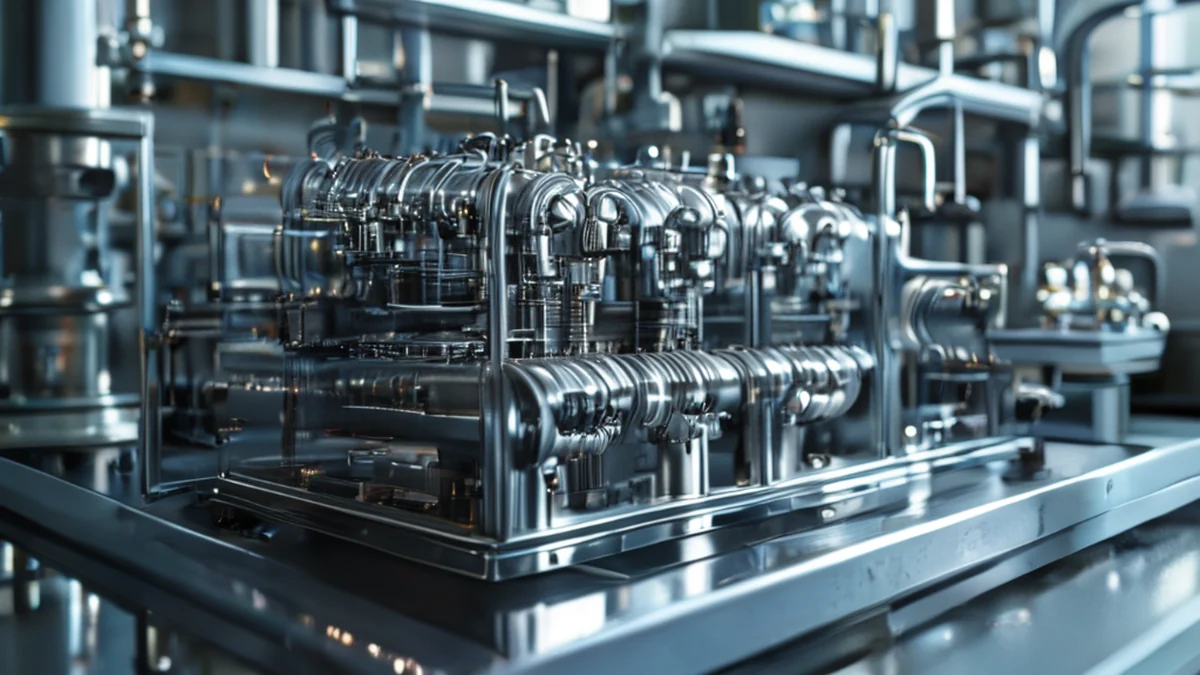
What happens when electrolytes solidify? In a dark living room after a long day, you reach for your smartphone and feel the heat radiating from the device as it charges. This heat is a direct result of the chemical reactions happening inside the battery, which are heavily influenced by the state of the electrolyte.
Current lithium-ion batteries rely on liquid electrolytes, making them sensitive to temperature swings. These batteries offer good charging performance at cooler temperatures and may even allow "fast-charging" within a temperature range of 5 to 45 °C (41 to 113 °F) [T11].
While charging is possible at temperatures from 0 to 5 °C, the charge current should be reduced to maintain stability [T12].
Solid-state batteries (SSBs) use a solid electrolyte to increase safety. These systems can operate at temperatures above 60 °C, whereas traditional batteries are generally only able to operate from -20 to 60 °C.
Furthermore, one specific type of solid-state battery has demonstrated a high current density up to 5 mA cm−2, a wide range of working temperature (-20 °C and 80 °C), and an areal capacity for the anode of up to 11 mAh/cm2 (2,890 mAh/g).
However, the real excitement isn't just about how they handle heat, but how quickly they can replenish power.

How much faster can we actually charge?
On a quiet Saturday morning, you sit at the kitchen table with a warm cup of coffee, watching the percentage on your phone screen climb slowly. That slow, incremental progress is a frustration shared by millions of users waiting for their devices to reach full power.
Speed is one of the most critical hurdles in battery manufacturing. In September 2023, Panasonic announced a prototype all-solid-state battery that can be charged from 10% to 80% in just 3 minutes.
This technological progress isn't just about speed; it's also about longevity. Research shows that after 500 cycles under 5 mA cm−2, these batteries still provide 80% of capacity retention, which is the best performance of μSi all solid-state battery reported so far.
I remember testing a high-speed charger last month and being stunned by how quickly a tablet jumped from 20% to 70%, yet even that felt sluggish compared to these new benchmarks. But as we push for speed, we must also consider how these batteries are actually built.
How are manufacturing and supply chains shifting?
Imagine a massive industrial site where dozens of heavy trucks line up to deliver specialized raw materials. Battery manufacturing has moved beyond simple electrode production to become a high-stakes battle of global supply chains and logistics.
The way we build these batteries is becoming more flexible. Some suppliers are developing modular electric vehicle battery plants to reduce equipment costs and increase production flexibility.
Logistics are also seeing massive investment; for instance, Maersk has invested $3 billion in land freight capacity to handle the heavy and specialized transport required for the American battery logistics market.
| Feature | Liquid Electrolyte (Current) | Solid-State (Next-Gen) | Hybrid Electrolyte (Transition) |
|---|---|---|---|
| Primary Benefit | High maturity, lower cost | High safety, high density | Balance of safety and cost |
| Operating Temp | -20°C to 60°C (Typical) | Can operate above 60°C | Intermediate characteristics |
| Development Stage | Fully commercialized | Prototypes and research | Moving toward mass production |
While the logistics of moving heavy materials are complex, the chemistry inside the cell is even more intricate.
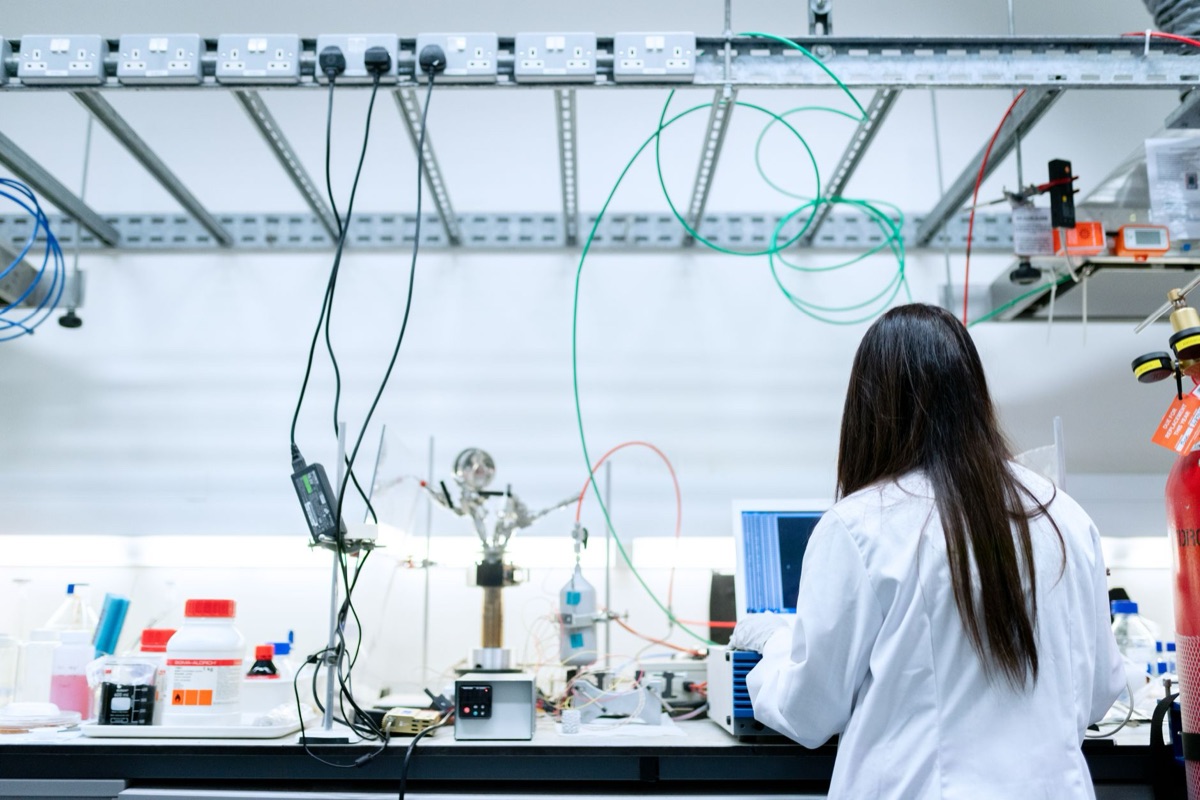
What are the new materials and compositions? In a sterile laboratory, a clear liquid turns a deep shade of purple as a new chemical reaction takes place. These small-scale breakthroughs in material science are the keys to breaking current energy limits.
Researchers are currently working on low-cost chemistries that offer a capacity nearly 10 times greater than state-of-the-art cathodes [T10].
This surge in innovation is reflected in the legal landscape: patent registrations related to the combination of solid-state batteries and isostatic pressure grew at a CAGR of 22% from 2017 to 2024, reaching 2,110 patents as of November 2025.
Some companies are also focusing on "hybrid" approaches to bridge the gap between liquid and solid technologies. By mixing electrolyte types, manufacturers hope to bring stable, mass-produced hybrid batteries to market sooner than pure solid-state versions.
But as these new materials enter the market, we must ensure they don't come with new risks.
What are the trends in battery safety and regulation?
Picture a sudden, sharp alarm ringing in a hallway as thin smoke begins to drift under a door. A battery failure is not just a technical glitch; it is a serious safety concern that affects public trust in entire industries.
Safety is a major driver for the transition to solid-state. Studies have shown that heat generation during thermal runaway is only about 20-30% of what is observed in conventional batteries with liquid electrolytes.
However, the industry still faces challenges regarding waste and oversight. According to the European Union, 49% of portable batteries sold were collected for recycling in 2023, while the UK estimates 45% as of 2026. According to Battery Council figures, around 15.5 billion pounds of battery lead was consumed in the USA, with approximately 2 billion pounds of battery scrap lead exported.
Regulation is also increasing to ensure transparency; there are growing movements to require manufacturers to disclose the origin and maker of a battery at the point of sale, particularly for electric vehicles.
Preparing for the future of battery technology
Battery technology is moving aggressively to master the dual challenges of energy density and safety. To understand how this transition will unfold for the consumer, follow this development roadmap:
- Optimizing Lithium-Ion: Improving temperature management and fast-charging efficiency for current liquid systems. 2. Introducing Hybrid Electrolytes: Using semi-solid methods as a stepping stone to stable mass production. 3. Commercializing Solid-State: Achieving fundamental breakthroughs in safety and density via solid electrolytes. 4. Building Infrastructure: Establishing modular factories and specialized logistics to support global demand.
Comments 0