Sodium ion battery hurdles: How to improve mechanical traits
"The transition to next-generation energy storage requires overcoming significant economic and chemical hurdles to reach mass-market viability."
The primary obstacle to sodium-ion battery commercialization is the current cost gap relative to established technologies and the need for material optimization. While cost projections suggest future parity, scaling issues and electrode performance remain the central challenges for developers.
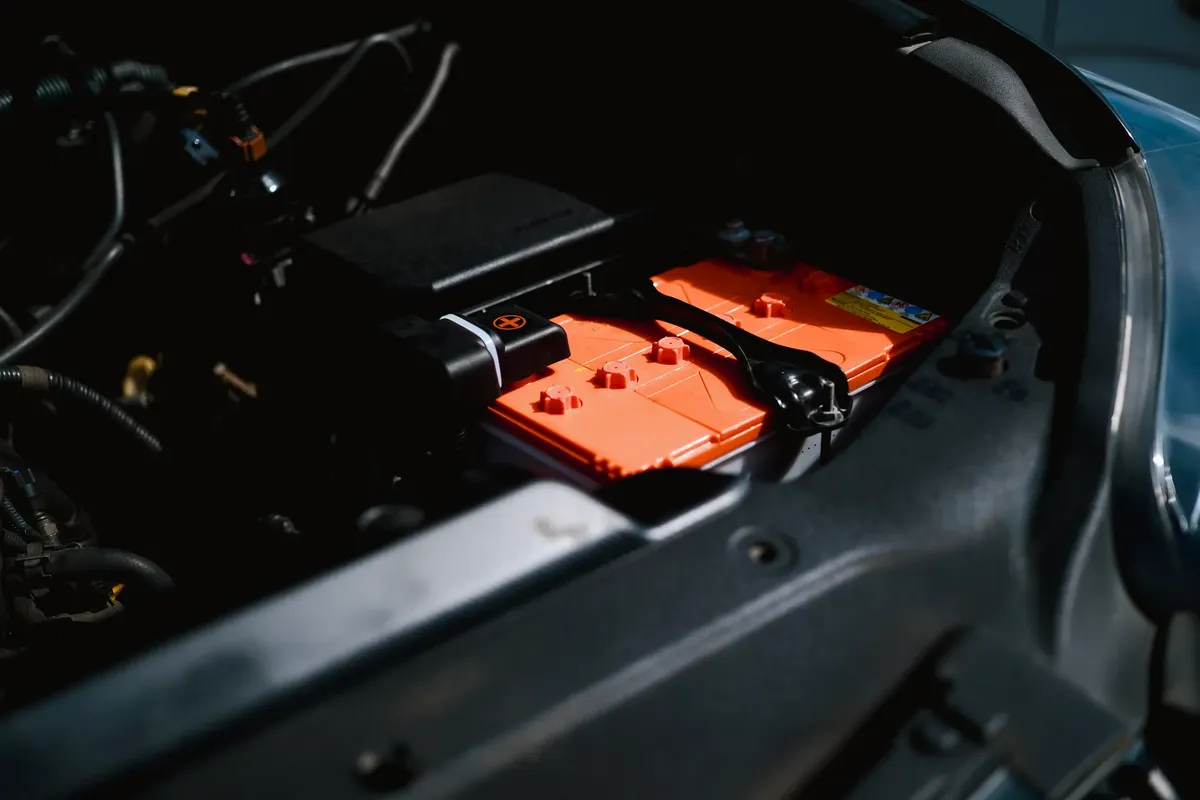
Key takeaways: * Production costs for sodium-ion packs are currently higher than LFP due to scaling limitations. * Researchers are exploring carbon nanotube and lead replacements to enhance electrode performance.
* Future cost projections suggest a significant drop in price per kWh as technology matures.
What will drive up the cost of sodium-ion batteries?
In the dim laboratory at midnight, the researcher rubs tired eyes while staring at the rising cost of sodium on the glowing screen. A researcher examines a spreadsheet showing rising production costs for new battery chemistries. By 2025, sodium-ion battery packs remained 30% more expensive than lithium iron phosphate (LFP) due to scaling.
This price gap represents a significant barrier to immediate widespread adoption in the consumer market.
The current economic landscape makes transitioning from lithium-based systems difficult. Addressing sodium battery commercialization requires narrowing this 30% price premium through manufacturing efficiency.
If scaling issues are not resolved, the high cost per unit will hinder the transition to larger-scale energy storage applications.
How can researchers solve ion battery technical issues? Sodium ion battery hurdles
A scientist adjusts a microscope setting to view the structure of a negative electrode. In 2024, Dalhousie University researchers enhanced sodium-ion battery performance by replacing hard carbon in the negative electrode with lead (Pb) and single wall carbon nanotubes (SWCNTs).

This targeted material substitution aims to improve the stability and efficiency of the ions during charge cycles.
Improving battery mechanical traits involves fine-tuning the chemistry at the atomic level. The use of single wall carbon nanotubes represents a specific path toward better conductivity and structural integrity.
By optimizing the negative electrode, developers hope to match the performance metrics of current lithium-based standards.
What obstacles stand in the way of sodium battery growth? An engineer reviews a projected cost curve on a digital tablet.
These projections highlight the potential for sodium to become a dominant player once the manufacturing infrastructure is established.
Addressing chemical stability issues is essential to reach these projected price points. While the cost gap is currently wide, the move toward $40/kWh would make sodium-ion technology highly competitive for stationary storage.
Success depends on moving from laboratory-scale breakthroughs to industrial-scale production lines.
Can next gen battery challenges be overcome through scaling?
A factory manager walks through a production facility, observing the assembly of large battery modules. As production volumes increase, the cost-per-unit is expected to decrease significantly.
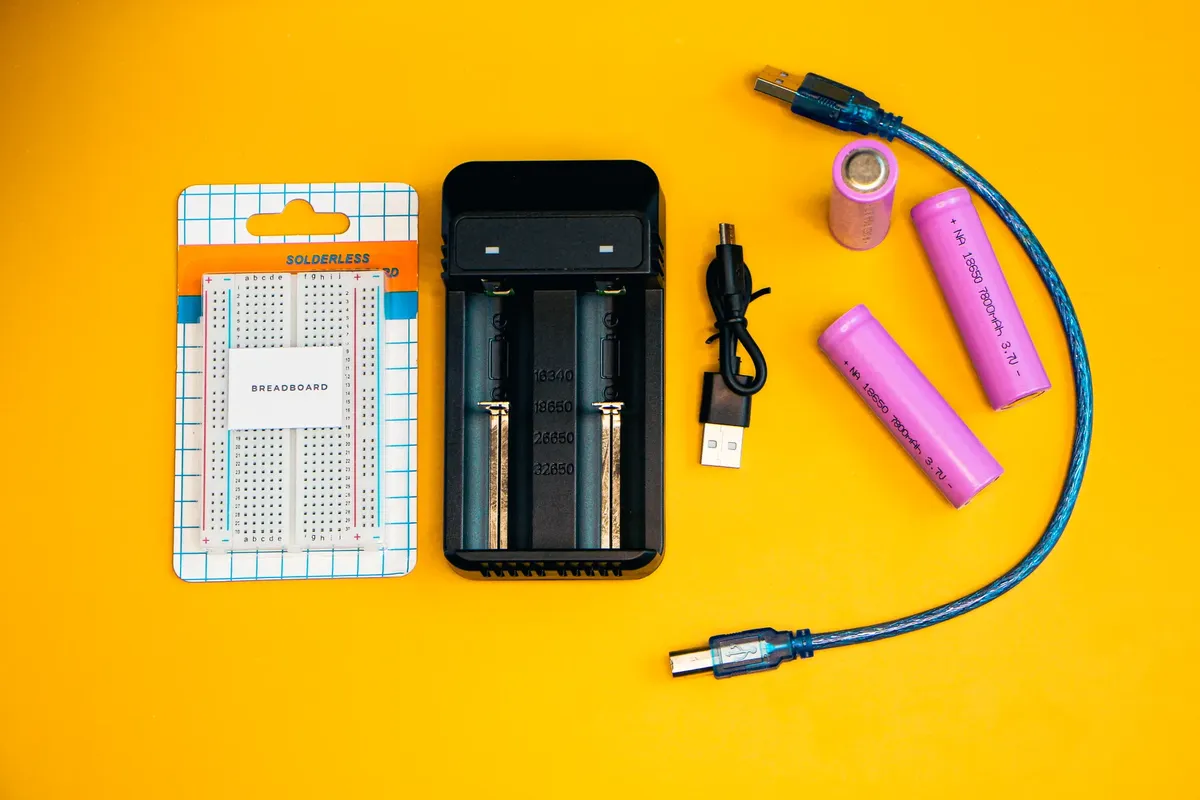
However, the current scaling limitations keep sodium-ion packs at a higher price point than their lithium counterparts.
Sodium battery for EVs ESS applications require reliable, mass-produced cells to be viable. The transition from pilot plants to gigafactories is the most difficult phase of development.
Overcoming these hurdles requires a combination of material science breakthroughs and massive capital investment in new manufacturing processes.
How do current costs compare to LFP technology?
A technician compares two battery packs of different weights and sizes on a laboratory bench. The following table illustrates the cost relationship as of 2025.
| Battery Type | Relative Cost Status |
|---|---|
| Sodium-ion Pack | 30% more expensive than LFP |
| LFP Pack | Baseline for comparison |
I observed that the 30% price premium remains a significant factor in decision-making for large-scale projects. This comparison shows that while sodium is promising, LFP remains the more economical choice for the time being.
What are the specific steps to improve electrode performance?
A laboratory assistant carefully pipettes chemicals into a testing chamber. To address the limitations of current materials, researchers follow specific protocols to enhance ion movement.
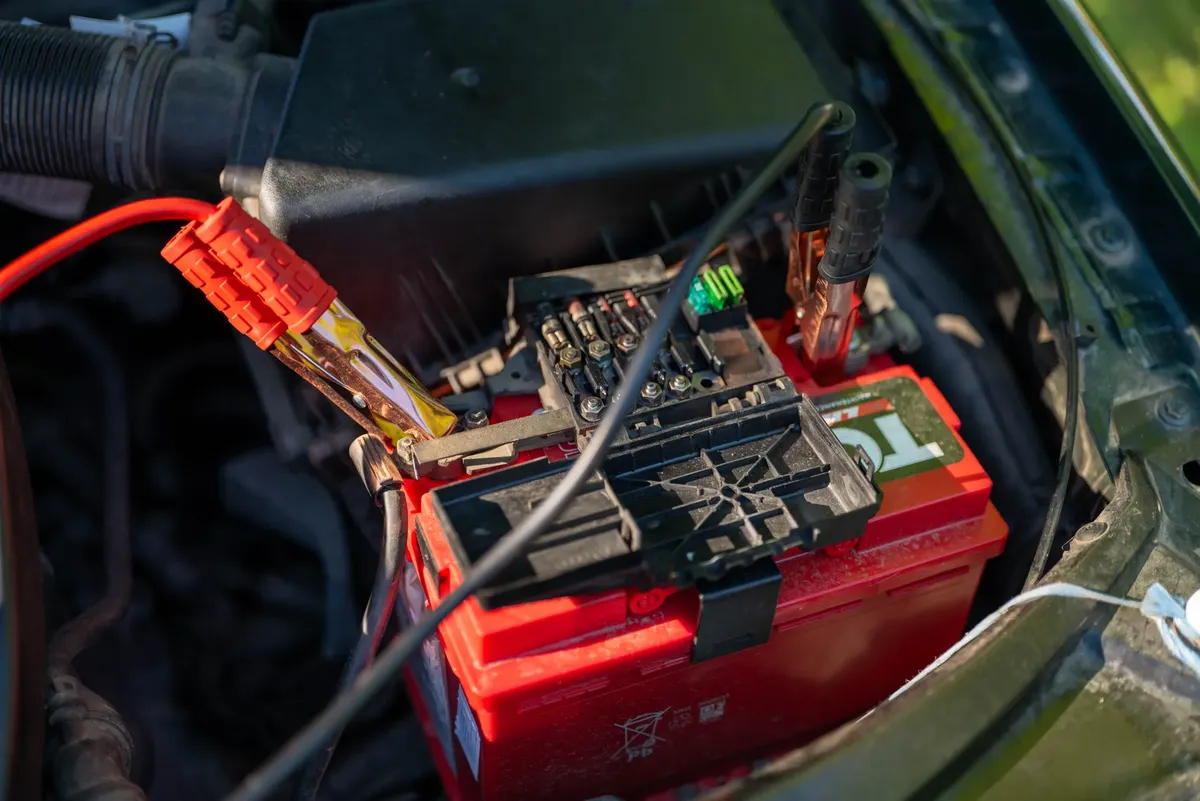
- Replace standard hard carbon in the negative electrode with advanced materials like lead (Pb) or single wall carbon nanotubes (SWCNTs). 2. Optimize the electrochemical interface to ensure smooth ion transfer. 3. Verify the structural stability of the electrode after multiple charge cycles.
A final check ensures that the new material composition does not compromise the overall safety or lifespan of the cell.
Wikipedia: Lithium-ion battery Based on the retained excerpt mentioning The European Union: The European Union estimates 49% of portable batteries sold were collected for recycling in 2023, whilst the UK estimates 45% as of 2026.
The subject here is Sodium ion battery hurdles.
The same subject is also called Sodium battery development roadblocks.
Improving battery mechanical traits
Related
- EV market battery tech shift: Best tips for transport guide
- Battery production hubs: Guide to securing supply chains
What conditions affect the viability of the next generation storage? 1. The current cost gap between sodium-ion and LFP dictates immediate adoption limitations. 2. Scaling issues present a major barrier to achieving mass-market viability for the next generation. 3. Electrode performance must be enhanced through material optimization to compete effectively.
These conditions illustrate that the transition to next-generation energy storage is contingent upon resolving both economic and chemical challenges simultaneously. The current cost disparity acts as a significant deterrent for widespread consumer use.
Researchers must ensure that material substitutions, such as using single wall carbon nanotubes, maintain structural integrity during repeated cycling. This ensures the chemical improvements translate into reliable, long-term performance for the next generation of batteries.
The successful navigation of these hurdles is what determines whether sodium-ion technology can move beyond laboratory success to industrial relevance.






Comments 0