LFP Batteries: The Key to 2025 Affordable Electric Vehicles
The secret to making electric vehicles affordable for everyone isn't just better motors—it's a fundamental shift in battery chemistry.
LFP (Lithium Iron Phosphate) batteries are the driving force behind the new wave of affordable EVs, offering a high-safety, low-cost alternative to traditional nickel-based cells. By eliminating expensive and ethically sensitive materials like cobalt, these batteries are making mass-market electric mobility a reality for American consumers.
* Massive Cost Savings: Eliminates pricey cobalt and nickel from the production equation. * Enhanced Safety Profile: The "olivine" structure provides superior thermal stability against fires. * Extended Lifespan: Capable of handling over 3,000 charge cycles with minimal degradation. * Market Shift: Moving from budget niche models to mainstream staples in brands like Tesla.

Why is LFP chemistry a game-changer for safety and cost?
LFP batteries utilize a specific chemical arrangement known as the "olivine" structure. In simple terms, the bond between the phosphorus and oxygen atoms in this structure is incredibly strong.
When a battery undergoes extreme stress or heat, most batteries release oxygen, which fuels a fire. However, because the LFP bond is so robust, it doesn't release oxygen easily.
This significantly reduces the risk of "thermal runaway"—the dreaded rapid-fire spread seen in some EV accidents. According to the International Energy Agency's 2025 report, battery safety remains a top priority as global EV adoption reaches record highs.
Beyond safety, there is the massive economic advantage. Traditional NCM (Nickel Cobalt Manganese) batteries rely on cobalt, a mineral often plagued by volatile pricing and ethical concerns regarding mining practices.
I remember attending an energy tech summit in Las Vegas last year where a lead engineer noted that "the real win for LFP isn't just being cheap; it's the supply chain predictability."
When you aren't beholden to the fluctuating price of cobalt, manufacturers can finally offer stable, predictable MSRPs for new EVs. This stability is vital for middle-class buyers looking at long-term ownership costs.
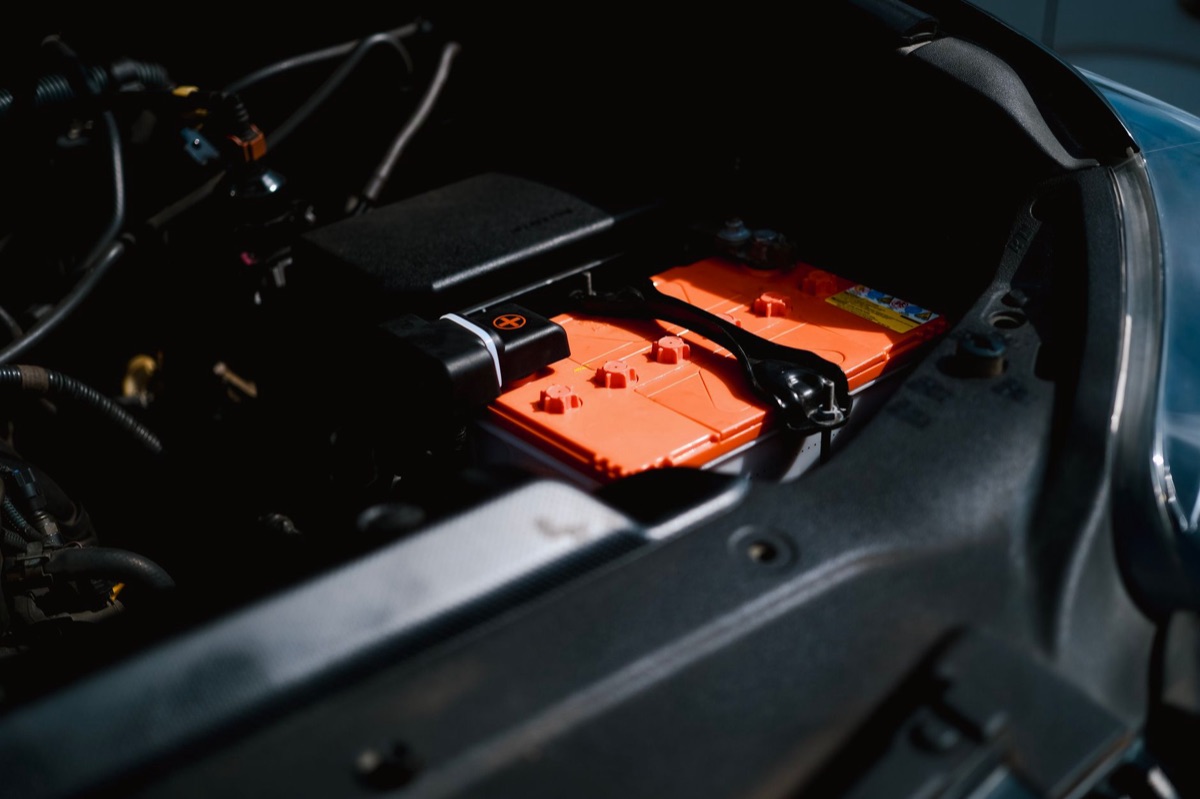
How do LFP batteries compare to NCM batteries?
The most common criticism of LFP is its lower energy density. This means that, pound for pound, an LFP battery holds less energy than an NCM battery, which can translate to a shorter driving range.
To understand the trade-off, look at how they stack up in the current market:
| Feature | LFP (Lithium Iron Phosphate) | NCM (Nickel Cobalt Manganese) |
|---|---|---|
| Primary Materials | Lithium, Iron, Phosphate | Lithium, Nickel, Manganese, Cobalt |
| Energy Density | Moderate (~140–160 Wh/kg) | High (~200–300+ Wh/kg) |
| Thermal Safety | Very High (Stable) | Moderate (Higher fire risk) |
| Production Cost | Low (Economical) | High (Expensive metals) |
| Cycle Life | Long (2,000–3,000+ cycles) | Standard (~1,000–2,000 cycles) |
While NCM remains the king for high-performance luxury EVs that need 400+ miles of range, LFP is becoming the standard for daily commuters.
However, according to BloombergNEF's 2025 analysis, the gap is closing fast as new packaging techniques allow LFP packs to hold more energy than previously thought possible.
Is China's dominance in LFP a concern for US consumers?
Currently, the LFP landscape is heavily influenced by Chinese manufacturers. Data from SNE Research indicates that Chinese firms maintained over 70% of the global LFP market share throughout 2024 and 2025.
Specifically, giants like CATL and BYD have achieved incredible vertical integration. They own everything from the mines to the final battery assembly lines. This allows them to produce cells at prices Western companies struggle to match.
However, this dominance faces significant headwinds in the United States. Because of policies like the Inflation Reduction Act (IRA), there is a massive push to build domestic supply chains.
We are seeing a "de-risking" trend where American automakers are looking to partner with non-Chinese suppliers. They are investing heavily in US-based LFP production to ensure they qualify for federal tax credits.
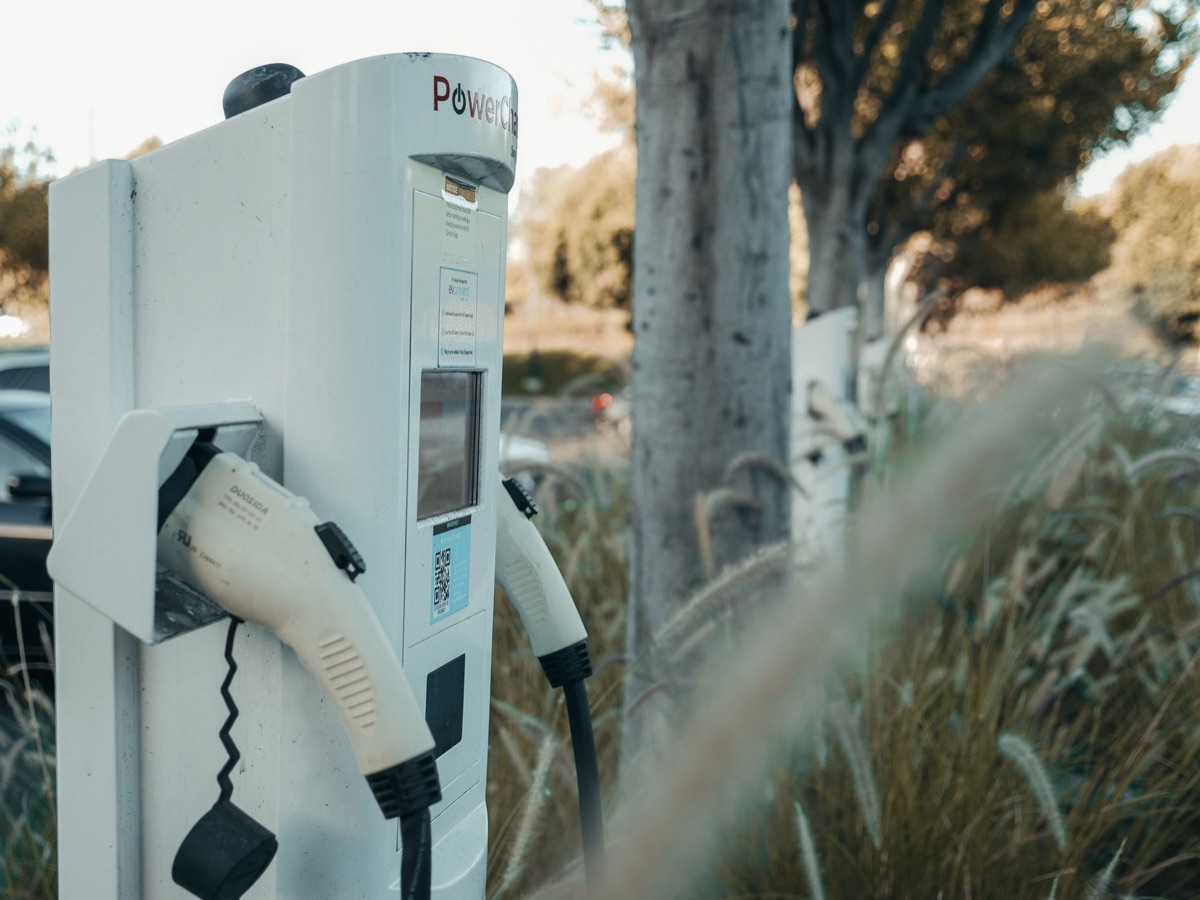
How is technology overcoming the range limitations of LFP?
The industry isn't just settling for "good enough." Engineers are using several clever methods to squeeze more miles out of these cheaper batteries:
- LMFP Integration: By adding Manganese (Mn) to the mix, manufacturers create "Lithium Manganese Iron Phosphate" (LMFP), which boosts voltage and energy density.
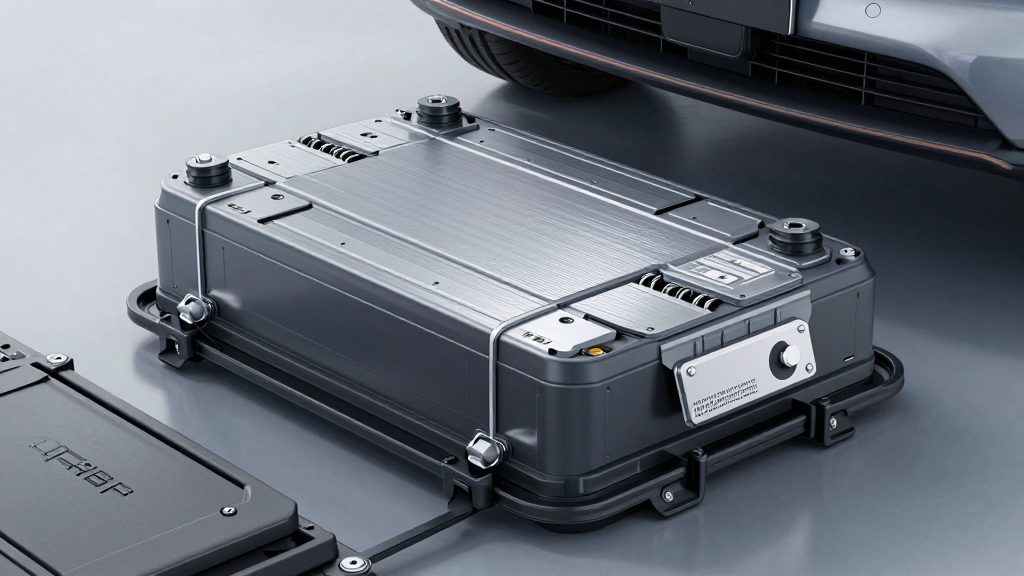
- Cell-to-Pack (CTP) Design: Companies are packing cells directly into the battery tray instead of using modules. This eliminates wasted space and increases total capacity.
- Silicon Anodes: Incorporating silicon into the anode can help improve charging speeds and overall capacity.
However, it is worth noting that LFP still faces challenges in extreme cold. In places like Minnesota or Canada, the chemical reaction slows down significantly in freezing temperatures, which can impact range more severely than NCM batteries.

Comments 0