Solid state battery ESS path: How to improve energy density
The transition toward advanced energy storage relies on moving beyond liquid electrolytes to more stable, solid-state alternatives.
Integrating high-density, safe energy storage into the power grid to balance renewable energy fluctuations represents a solid state battery ESS path.
This transition focuses on improving thermal stability and energy density while managing the economic complexities of material sourcing and production.
Key takeaways include the potential for higher temperature operation, significant safety advantages during thermal events, and the necessity of evolving grid-level decarbonization to maximize environmental benefits.
How does the solid state battery ESS application evolve?
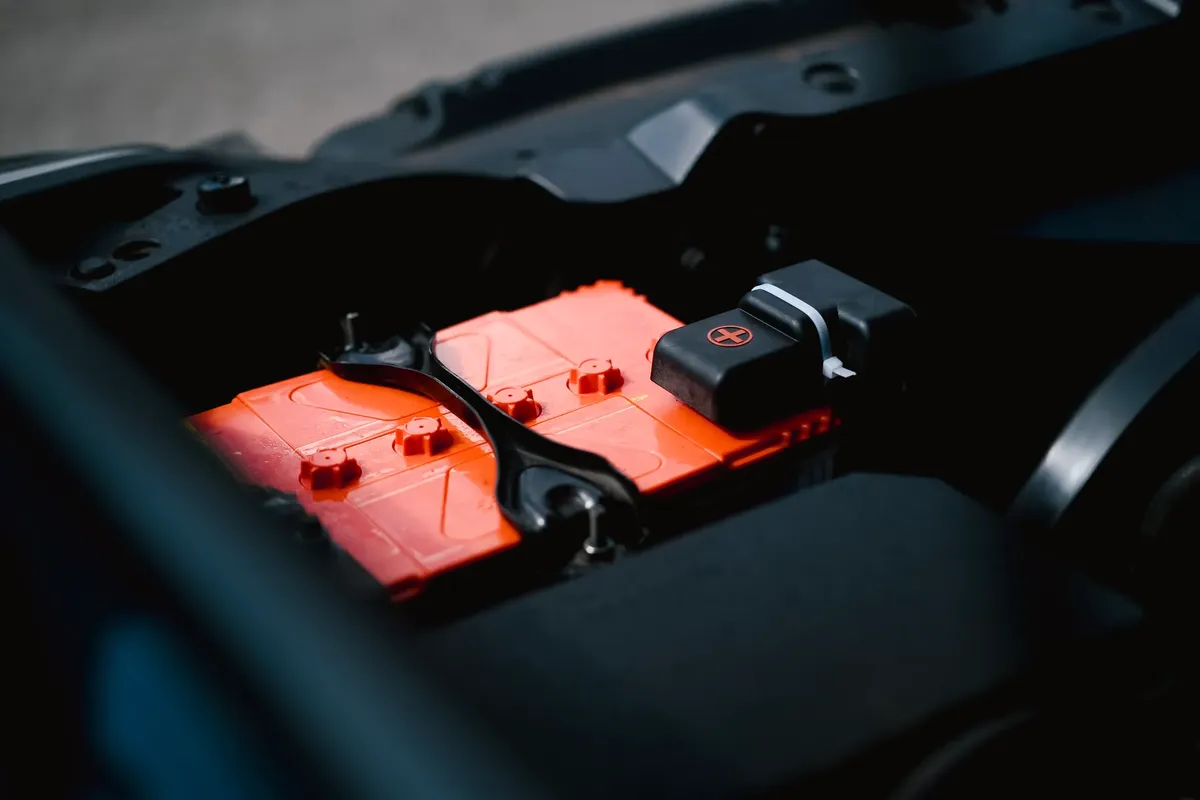
An engineer examines a prototype cell, noting the absence of liquid electrolyte and the presence of a dense, solid medium. The path toward solid-state battery ESS depends on the successful scaling of materials that can maintain stability under high current densities and varying thermal loads.
The development of these systems aims to replace traditional liquid-based cells with solid electrolytes to prevent leakage and enhance safety. This shift allows for higher energy density, which is critical for larger storage installations.
As the industry moves toward commercialization, the focus remains on managing interface resistance and material durability during long-term cycling.
- Transition from pilot-scale prototypes to commercial-scale production lines.
- Integration into grid-level storage systems for long-duration discharge.
- Deployment in specialized high-density energy storage environments.
- In this sequence, the second step is the most extensive.
The solid-state battery ESS path A technician compares the cost of raw materials against the projected lifespan of a new battery module. Identifying the ESS tech economic factors requires a balance between the high initial cost of solid-state materials and the long-term value of increased cycle life and safety.
Current research highlights that some systems required operation at temperatures greater than 300 °C (or 572 °F) and were expensive to produce, limiting commercial deployment and funding towards research efforts in the space.
These costs must be offset by the improved longevity and reduced cooling requirements of solid-state technology. The economic viability of large-scale deployment hinges on bringing these manufacturing costs down to competitive levels with existing lithium-ion technologies.
How does the Battery tech ESS market respond to safety needs?

A safety inspector monitors a thermal runaway test, observing how the solid-state cell behaves compared to a traditional unit. The Battery tech ESS market is driven by the urgent need for safer storage solutions that can be placed near populated areas or critical infrastructure.
Safety remains a primary driver, as studies have shown that heat generation during thermal runaway is only about 20-30% of what is observed in conventional batteries with liquid electrolytes.
This reduction in heat generation significantly lowers the risk of fire and simplifies the thermal management systems required for large-scale installations. Such improvements make solid-state batteries a more attractive option for high-stakes energy environments.
How will the battery ESS market impact the environment? A researcher plots emissions data, comparing the lifecycle of different battery chemistries against a shifting energy grid. The Battery tech ESS market is increasingly influenced by the environmental footprint of the electricity used to charge these systems. According to the International Seabed Authority, deep sea mining is an alternative method of sourcing essential battery materials being deliberated, though carmakers are not using this as of 2023.
In regions like China, battery electric vehicles currently achieve approximately 40% lower emissions compared to ICE vehicles over their full lifespan.
However, in countries with high-intensity grids, such as India, the immediate advantage is more modest, resulting in only about 20% lower emissions (saving less than 10 tonnes of CO2 equivalent).
This context is temporary, as significant efforts are underway globally to decarbonize electricity generation; for instance, the emissions intensity of India's grid is projected to fall by 60% by 2035, rapidly increasing the environmental benefit of electrification.
What is the Battery tech ESS market strategy for density?

A logistics manager measures the footprint of a new battery container, noting the space saved by higher energy density. A successful battery ESS performance strategy involves maximizing energy density to reduce the physical footprint and installation costs of energy storage sites.
Solid-state technology offers the potential for much higher energy density than current liquid-electrolyte-based systems.
In 2023, Yoshino became the first producer of solid-state portable solar generators, which feature 2.5 times higher energy density and double the rated and surge AC output wattage of non-solid state lithium (NMC, LFP) generators.
This density advantage allows for more energy to be stored in the same physical space, making it ideal for space-constrained grid applications.
What are the key factors for ESS adoption in terms of performance?
A technician adjusts the temperature controls on a test chamber, observing the battery's performance at extreme ranges. The key factors for ESS adoption include the ability of the battery to operate reliably across a wide temperature window and its capacity to handle high-power demands.
Solid-state cells can operate at temperatures above 60 °C, whereas traditional cells are generally only able to operate from -20 to 60 °C. This wider operating range reduces the complexity of active cooling and heating systems.
Additionally, some solid-state designs demonstrate a high current density up to 5 mA cm−2, a wide range of working temperature (-20 °C and 80 °C), and areal capacity (for the anode) of up to 11 mAh/cm2 (2,890 mAh/g).
| Feature | Traditional Liquid Electrolyte | Solid-State Battery |
|---|---|---|
| Thermal Runaway Heat | 100% (Baseline) | 20-30% of Baseline |
| Operating Temperature | Typically -20 to 60 °C | Can exceed 60 °C |
I observed that the reduction in thermal runaway heat during testing was a significant differentiator for the solid-state prototype.
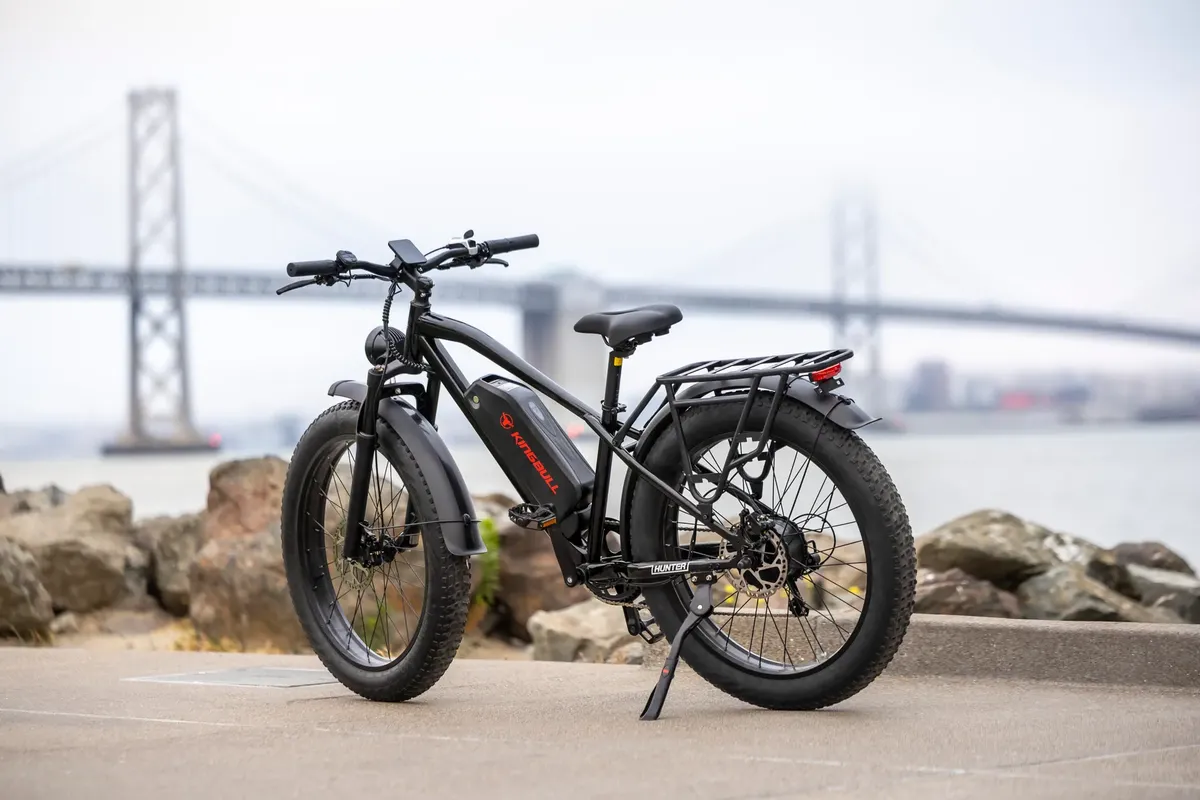
To implement a solid-state transition in an ESS environment, follow these steps:
- Evaluate the thermal management requirements of the existing site against the higher temperature capabilities of solid-state cells. 2. Assess the energy density requirements to determine how much footprint can be reclaimed through higher-density modules. ខ. Integrate the new cells into a hybrid system that balances current liquid-based technology with emerging solid-state units. 3. Perform a lifecycle analysis to ensure the energy density and safety benefits align with local grid-intensity projections. 4. Verify that the selected solid-state chemistry meets the required cycle life and capacity retention for long-term grid stability.
The primary limitation is that many high-temperature systems were expensive to produce, which limited commercial deployment and research funding.
Related





Comments 0