Sodium ion battery commercialization: Guide to $40/kWh cost
The shift toward sodium-ion battery commercialization is driven by the pursuit of lower cell costs and more abundant raw materials compared to lithium-based alternatives. This transition focuses on reducing manufacturing expenses and optimizing electrode materials for better performance.
Key takeaways: 1. Potential cost reductions could reach as low as $40/kWh. * Researchers are investigating new negative electrode materials to enhance performance. * Industrial spin-offs are already translating academic research into commercial reality.
How does the cost of sodium-ion battery commercialization compare to current standards?
At sunset, the researcher rubs tired eyes while staring at the soaring cost projections for sodium-ion battery commercialization on the office monitor.
A researcher sits at a desk, reviewing cost projections that suggest a massive shift in the energy landscape. The economic incentive for a sodium-ion battery commercialization strategy is one of the strongest drivers for its adoption in the energy sector.
This compares favorably to LFP technology, which was projected to fall as far as $70/kWh.
These price points suggest a significant competitive advantage for sodium-based systems in specific applications.
The potential for cost-effective energy storage is reshaping how companies view battery industry scaling. By targeting these lower price points, manufacturers aim to make large-scale storage more accessible.
What technical breakthroughs are driving the sodium-ion adoption path?
A scientist adjusts a microscope, examining the tiny structures of a new electrode material. Advancements in material science are essential to the sodium-ion adoption path as engineers work to overcome energy density limitations.
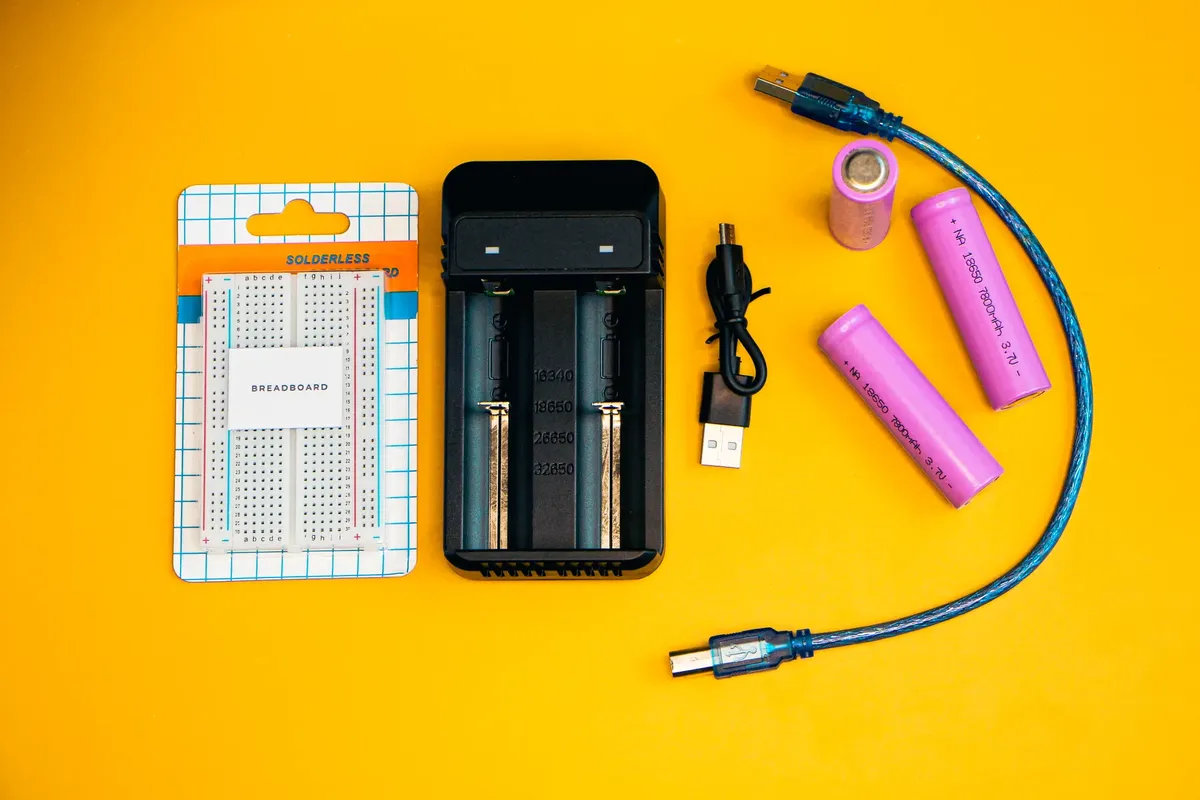
According to Dalhousie University, researchers enhanced sodium-ion battery performance in 2024 by replacing hard carbon in the negative electrode with lead (Pb) and single wall carbon nanotubes (SWCNTs).
Researchers enhanced sodium-ion battery performance by replacing the hard carbon in the negative electrode with lead and single-wall carbon nanotubes, addressing key battery standards and regulation. This type of innovation aims to stabilize the battery and improve its overall efficiency.
The development of these materials is a crucial part of the battery tech commercialization process. Improving the negative electrode helps bridge the gap between current lithium-ion capabilities and the requirements of future energy grids.
How has academic research led to industrial scaling?
An entrepreneur walks through a modern laboratory, discussing the future of energy with a colleague. The journey from a university lab to a commercial product is a common theme in the history of battery technology.
Altris AB was founded by Associate Professor Reza Younesi, his former PhD student, Ronnie Mogensen, and Associate Professor William Brant as a spin-off from Uppsala University, Sweden. This company was launched in 2017 as part of research efforts from the team on sodium-ion batteries.
This transition from academia to industry demonstrates how the sodium battery market entry is being facilitated by specialized spin-off companies. These entities turn theoretical breakthroughs into scalable manufacturing processes.
How will these batteries impact the electric vehicle market?
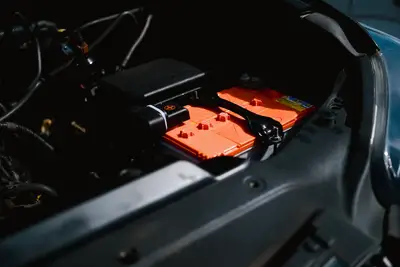
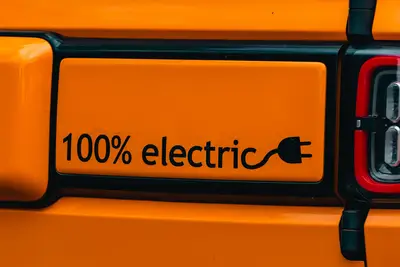
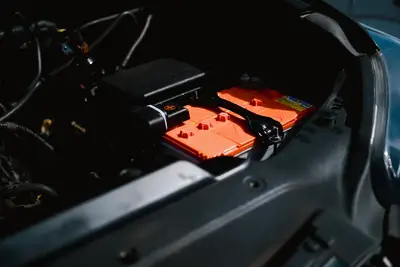
An engineer inspects the battery pack of a prototype electric car parked in a testing facility. The impact on transportation is a primary focus for those following the sodium battery cost reduction trends.
This newly developed technology is predicted to reduce the cost of batteries for electric vehicles by 25-30%. Such a reduction could significantly lower the entry price for electric mobility, making it more accessible to a broader range of consumers.
The integration of these batteries into vehicles relies on balancing cost with energy-intensive requirements. While the cost savings are significant, the performance must meet the rigorous demands of modern transportation.
What are the steps to move from research to market?
A project manager outlines a timeline on a whiteboard, marking the transition from laboratory testing to mass production. Moving from a lab to a commercial product involves several critical phases.
- Optimize electrode materials to ensure stability and energy density during cycling. 2. Scale up manufacturing processes to move from small-scale lab samples to large-format cells. 3. Integrate the technology into existing supply chains to ensure cost-effective delivery.
I observed how these steps require constant refinement of the chemistry to ensure the battery remains stable over many years of use. A final check of the material's purity and structural integrity is required before mass production begins.
| Technology Type | Projected Cost (per kWh) |
|---|---|
| Sodium-ion | $40 |
| LFP | $70 |
- How does the cost of sodium-ion battery commercialization compare to current standards?
- What technical breakthroughs are driving sodium-ion adoption path?
- How has academic research led to industrial scaling?
Related
- Sodium battery commercialization: tips for cycle life
- Sodium ion battery commercialization how to improve capacity
What conditions must be met for successful market acceptance? The technology must meet rigorous demands of modern transportation, even with the cost savings. The shift toward widespread adoption depends on balancing the lower cost with necessary performance metrics. Researchers must ensure the battery remains stable over many years of use during the optimization phase.
This transition requires that the material's purity and structural integrity pass a final check before mass production can commence. The success of the shift toward sodium-ion battery commercialization hinges on these material science validations.
Industrial spin-offs are already translating academic research into commercial reality, demonstrating a pathway for this necessary shift. These companies are vital in moving theoretical breakthroughs into scalable manufacturing processes.
How does the pursuit of lower costs influence material selection? The pursuit of lower cell costs directly influences the selection of electrode materials. Researchers are investigating new negative electrode materials to enhance performance while keeping manufacturing expenses down. This focus on cost reduction drives the investigation into more abundant raw materials compared to lithium-based alternatives.
Replacing hard carbon with lead and single wall carbon nanotubes in the negative electrode exemplifies this material innovation. This specific development aims to stabilize the battery while supporting the overall cost-saving objectives.
The comparison between projected costs shows that sodium-ion systems offer a competitive advantage in certain applications when compared to LFP technology. This economic incentive fuels the shift toward sodium-ion battery commercialization.





Comments 0