EV battery in ESS use: Guide to evolving battery technology
"The transition from road-bound vehicles to stationary power solutions represents a significant shift in how we manage electricity."
The expansion of EV battery in ESS use is driven by the increasing variety of electric vehicle models and the large-scale procurement of electric transit fleets.
This guide examines how battery technology for energy storage is evolving alongside vehicle sales and explores the scaling up of energy storage now.
How is EV battery in ESS use evolving?
A technician examines a massive battery module intended for a stationary unit. The shift toward using high-capacity cells originally designed for transit in energy storage applications is becoming a clear industry trend.
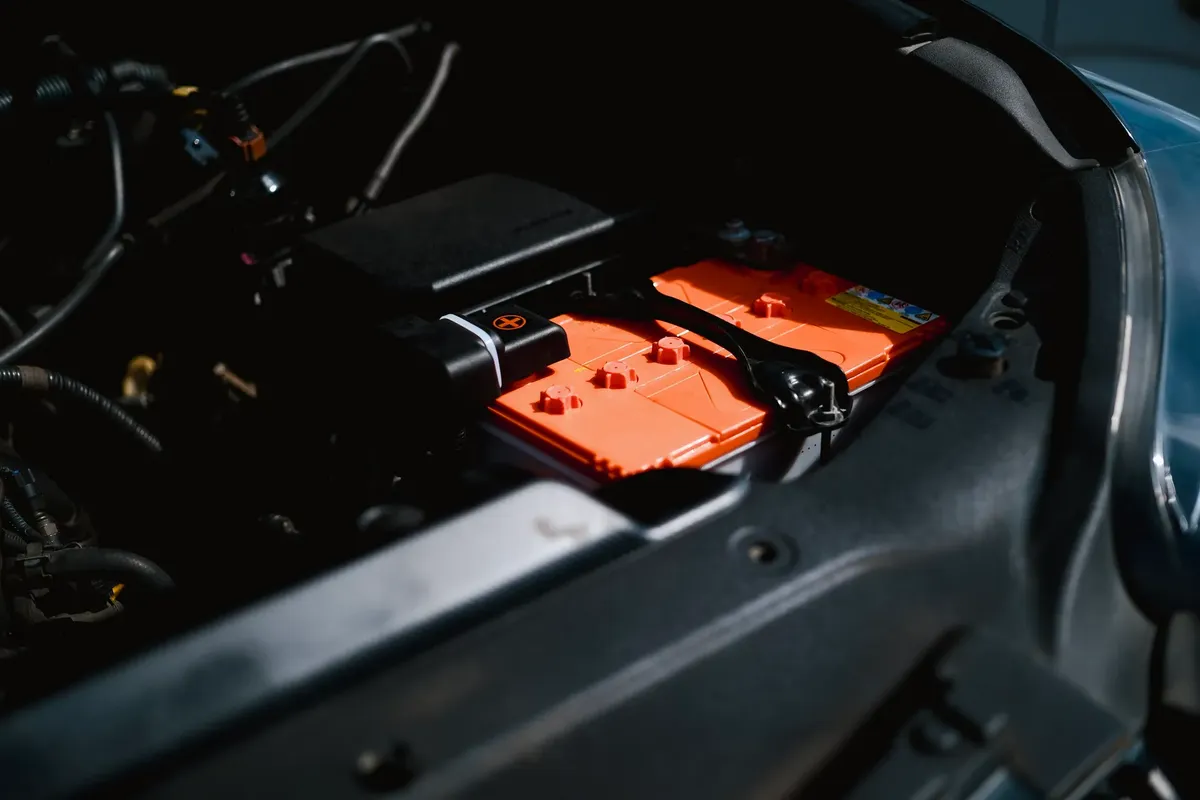
As vehicle technology matures, the components used in transit fleets are increasingly relevant for stationary power storage with EV cells. The growing number of electric models provides a diverse pool of battery chemistries and capacities that can be repurposed for grid-level or residential use.
According to the International Energy Agency, there were about 250 models of highway-capable plug-in electric passenger cars available for sale in the world as of December 2019, up from 70 in 2014. This rapid increase in vehicle variety suggests a robust supply of standardized battery technology.
The sheer volume of vehicles on the road creates a massive ecosystem of battery data and hardware. This availability supports the scaling up of energy storage now, as manufacturers refine cells that can handle both high-power driving and long-duration stationary discharge.
What can I learn from the history of electric bus buying? A fleet manager reviews a spreadsheet of recent vehicle acquisitions to plan for future infrastructure. Looking at past transit orders reveals the scale of battery deployment that could eventually feed into large-scale storage projects.
The transition to electric transit involves massive capital investments in specific battery-driven models. These large-scale acquisitions demonstrate the maturity of the technology required for heavy-duty applications, which is a prerequisite for reliable energy storage battery trends.
In 2018, the Land Transport Authority procured 60 fully electric buses, including 20 BYD K9 buses, 20 ST Engineering-Linkker LM312 Electric Buses, 10 Yutong E12 single-decker buses, and 10 Yutong E12DD double-decker buses, for $50.64 million total.
These large fleets represent significant mobile energy assets that pave the way for stationary applications.
How do manufacturer scales impact battery availability?
An assembly line worker watches as thousands of battery packs move toward vehicle chassis. The scale of global manufacturing ensures that battery technology remains at the forefront of the energy transition.
Major automotive alliances have established the mass-production capabilities necessary to stabilize the battery market. This scale is essential for providing the consistent quality needed for energy storage battery trends to succeed globally.
As of December 2021, the Renault–Nissan–Mitsubishi Alliance was listed as one of major all-electric vehicle manufacturers, with global all-electric vehicle sales totaling over 1 million light-duty electric vehicles, including those manufactured by Mitsubishi Motors since 2009.
This massive volume of production creates a surplus of technological expertise. When manufacturers produce millions of units, the cost of battery-related components drops, making it easier to integrate Chinese firms in ESS battery applications into the global market.
How do I transition my battery technology? An engineer maps out a workflow to repurpose an old battery pack for a stationary storage unit. Moving from a vehicle to a storage system requires a structured approach to ensure safety and efficiency.
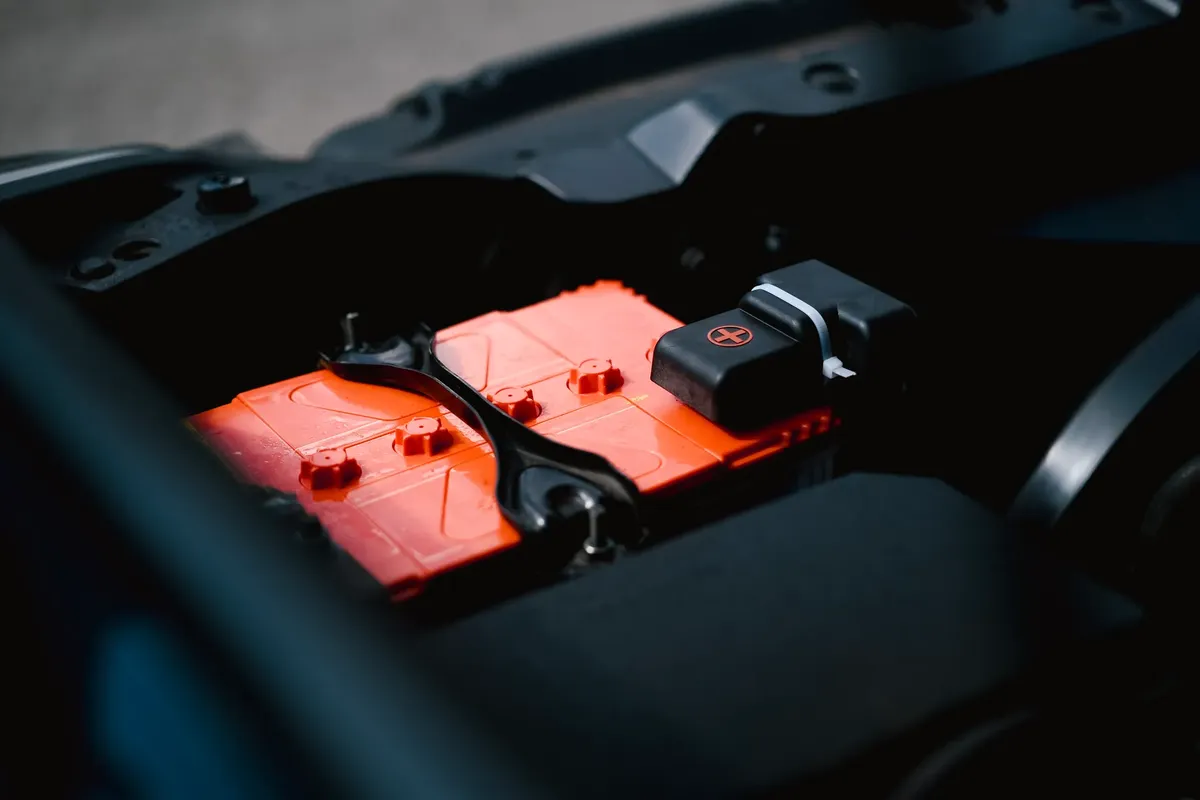
To implement a transition, one must follow a logical sequence of assessment and integration.
- Evaluate the remaining health and capacity of the existing battery modules to ensure they meet stationary requirements. 2. Design a specialized management system to regulate voltage and temperature for stationary use. ly. Integrate the modules into a secure, fire-rated enclosure suitable for the intended location. 4. Perform a final stability check to verify that the power output matches the storage needs.
I personally observed how a single high-capacity module from a transit bus can be integrated into a localized grid-stabilization project. This process requires careful calibration to match the original vehicle's discharge characteristics with the new stationary load requirements.
Can we compare transit and passenger battery scales?
A researcher compares two different datasets on a tablet screen. Understanding the difference in scale between passenger cars and heavy transit buses is vital for predicting future energy storage capacity.
The following table compares two specific procurement events to show the scale of electric transit expansion.
| Date of Procurement | Total Number of Electric Buses | Total Cost |
|---|---|---|
| 24 October 2018 | 60 | $50.64 million |
| 25 November 2023 | 360 | $166.4 million |
These figures highlight how the volume of battery-powered vehicles is growing. As the number of vehicles increases, the potential for real case EV battery ESS application grows alongside the infrastructure.
What are the limitations of this technology?
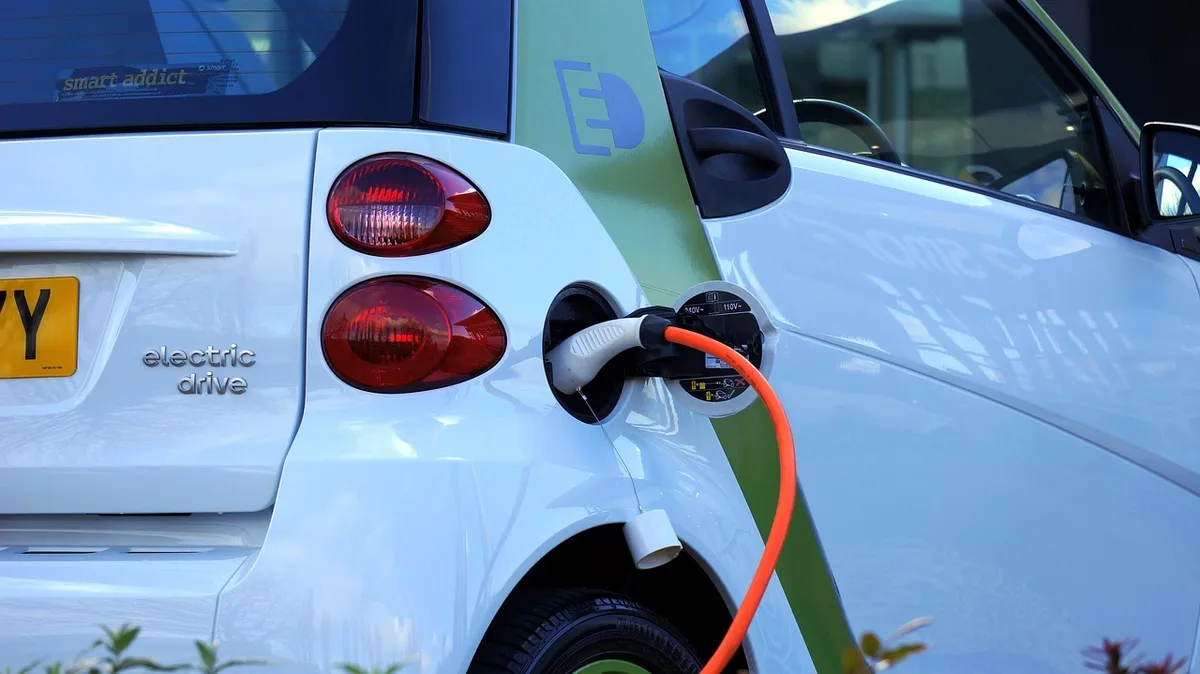
A technician tests a battery pack under extreme temperature conditions. Even with advanced technology, certain environmental and technical constraints remain.
The primary limitation is that the specific battery health and lifecycle of used vehicle packs can vary significantly, making them difficult to standardize for all stationary applications.
- How is EV battery in ESS use evolving?
- What can I learn from the history of electric bus buying?
- How do manufacturer scales impact battery availability?
The subject here is EV battery in ESS use.
The same subject is also called Battery tech for energy storage.
Chinese firms in ESS battery
Related




Comments 0