Sodium ion battery commercialization how to improve capacity
"The shift toward sustainable energy is moving from theoretical research to tangible applications in our daily infrastructure."
Sodium ion battery commercialization is rapidly approaching as researchers refine electrochemical stability and energy density. This technological transition focuses on finding alternatives to lithium, targeting energy storage systems and electric vehicle applications through material innovation.
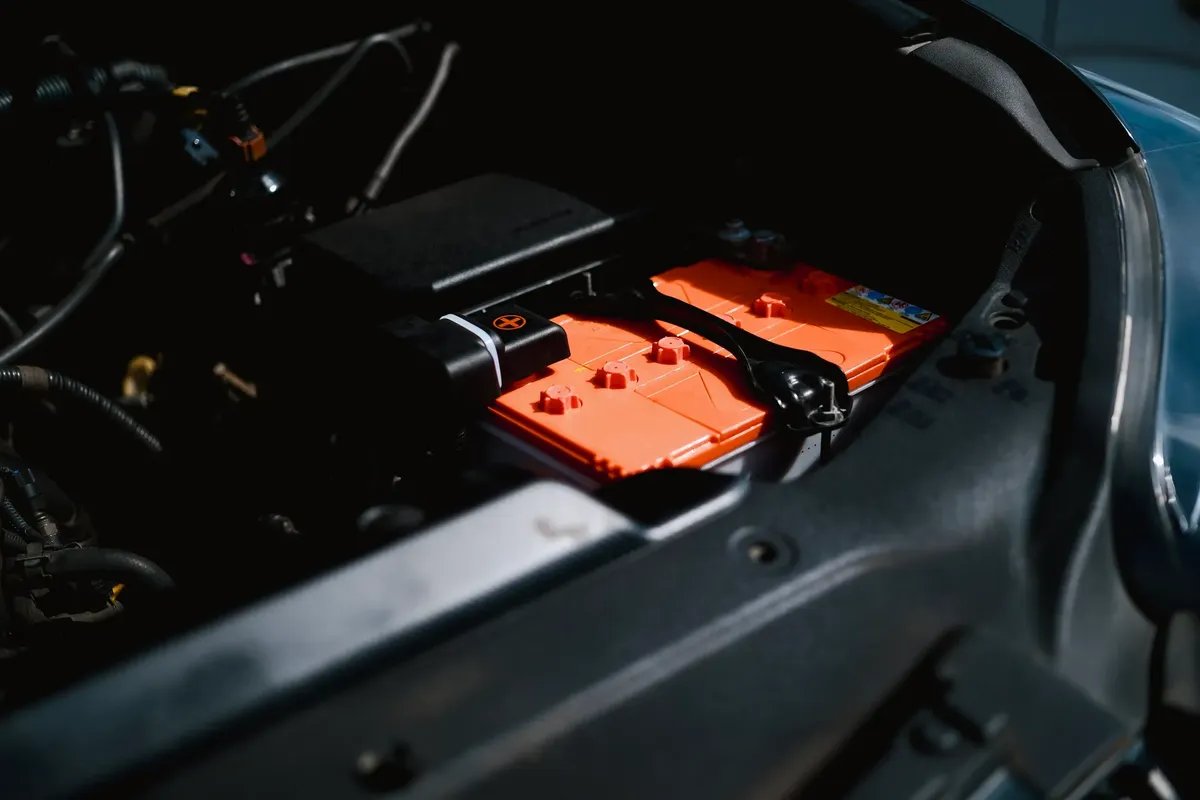
Key takeaways include the potential for enhanced electrode performance, historical precedents in electric fleet testing, and the specific material advancements driving modern research.
How is sodium ion battery commercialization progressing?
At dawn in the sterile laboratory, the engineer rubs tired eyes while staring at the glowing screen of a sodium ion battery simulation.
A researcher stares at a microscopic scan of a negative electrode, looking for ways to stabilize ion movement. The pursuit of sodium ion battery commercialization relies heavily on overcoming the energy density limitations inherent in sodium-based chemistries.
Engineers are currently focused on optimizing cathode and anode materials to make these batteries a viable substitute for lithium-ion in specific sectors.
According to researchers at Dalhousie University, sodium-ion battery performance was enhanced in 2024 by replacing hard carbon in the negative electrode with lead (Pb) and single wall carbon nanotubes (SWCNTs).
This specific material substitution aims to improve the cycling stability and capacity of the battery. Such breakthroughs suggest that the technology is moving closer to large-scale industrial use.
- Identify suitable cathode materials for mass production.
- Scale up manufacturing facilities to meet market demand.
- Integrate cells into existing battery management systems.
Where did EV battery testing actually begin? A technician inspects a heavy-duty electric van parked in a government depot, checking the battery housing for heat signatures. Understanding the current landscape requires looking back at how different battery chemistries were vetted for heavy-duty transport.

Early testing phases often utilized specialized chemistries to see if they could handle the rigors of constant stop-and-go driving.
This period of testing demonstrated the logistical challenges of transitioning large fleets to electric power.
While different from modern sodium-based tech, these early trials set the stage for the current push toward diverse battery chemistries.
In this sequence, the second step is the longest.
How can I actually make batteries perform better? A scientist carefully pipette-tips a solution into a test cell, ensuring the electrode coating is perfectly uniform. Improving the efficiency of sodium-ion cells involves several precise chemical engineering steps.
Researchers focus on how ions move between the anode and cathode to prevent degradation over time.
- Replace standard hard carbon in the negative electrode with advanced materials like lead or nanotubes to improve capacity. 2. Integrate single wall carbon nanotubes (SWCNTs) to enhance the electrical conductivity of the electrode. 3. Conduct rigorous cycling tests to ensure the new electrode composition can withstand repeated charge and discharge cycles.
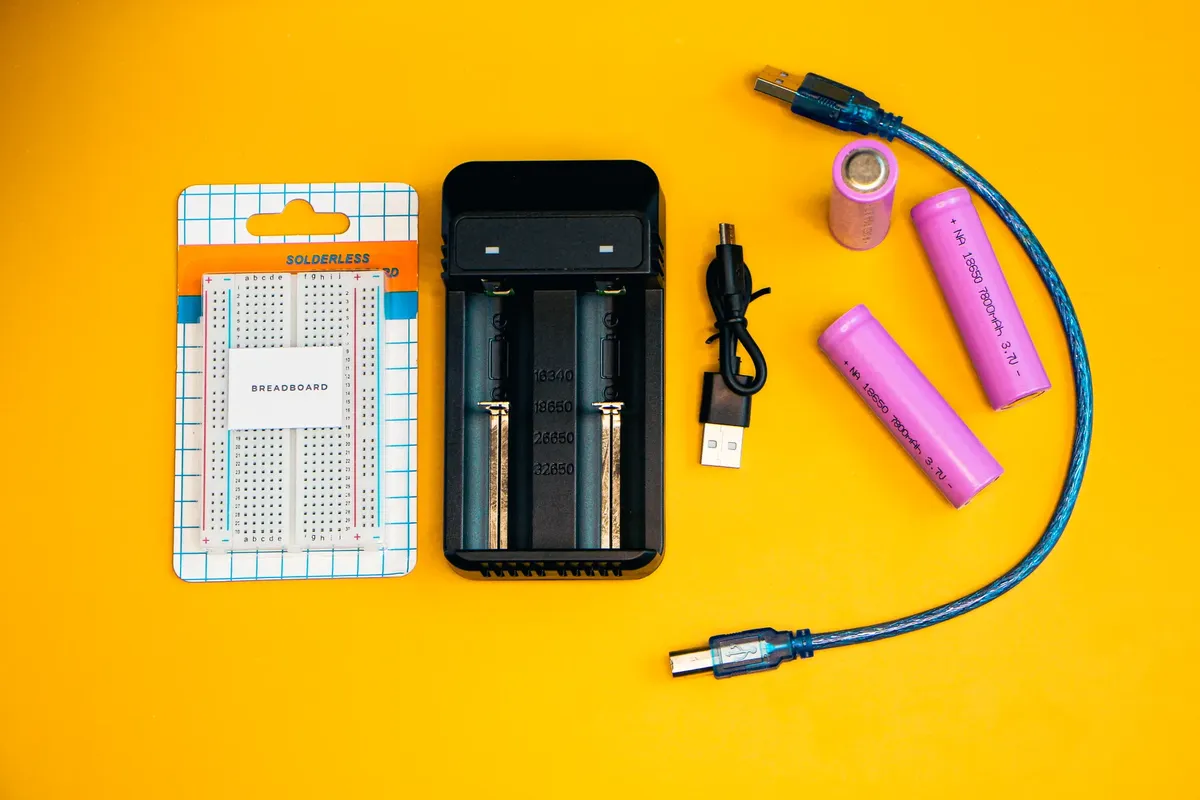
I observed how these specific material changes in the lab can fundamentally alter the way an electrode responds to rapid charging.
Is there a comparison between different battery types?
A technician places a small lithium-ion cell next to a larger sodium-ion prototype on a digital scale. Comparing the characteristics of different battery technologies helps industries decide which is best for specific use cases.
While lithium remains the standard for high-energy density, sodium offers unique advantages in cost and material availability.
| Feature | Material Focus | Primary Goal |
|---|---|---|
| Lithium-ion | Cobalt/Nickel/Lithium | High energy density |
| Sodium-ion | Hard Carbon/Lead/SWCNTs | Cost-effective stability |
The table illustrates the different material focuses between standard lithium-ion and the experimental sodium-ion enhancements.
What are the limitations of current sodium-ion technology?
A lab technician wipes condensation from a glass casing, noting the temperature fluctuations in the testing chamber. Despite the progress in sodium ion battery commercialization, certain physical constraints remain a hurdle for universal adoption.
The specific energy density of sodium-ion cells often struggles to match the high-performance requirements of long-range passenger vehicles.
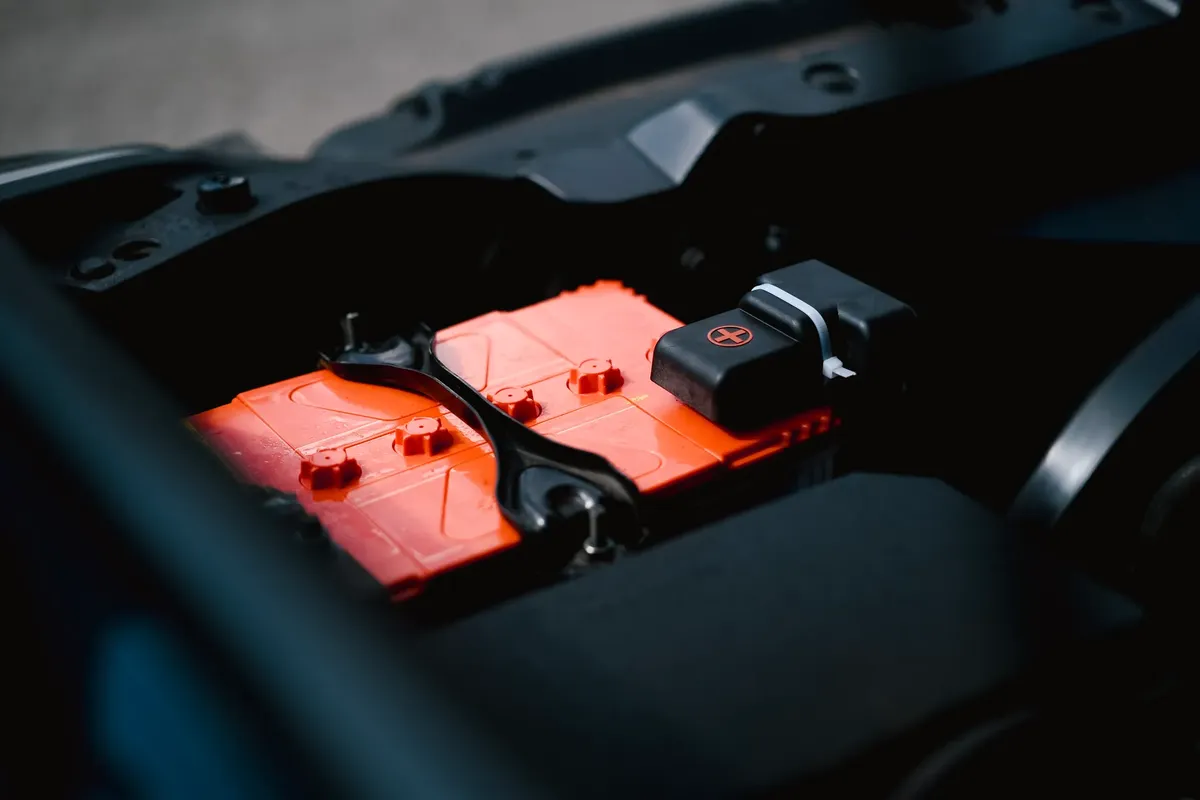
One limitation is that the enhancement of performance through lead and single wall carbon nanotubes was specifically tied to the replacement of hard carbon in negative electrodes, which may not translate to all battery architectures.
The same subject is also called Sodium battery real use.
The same subject is also called New battery tech adoption.
The same subject is also called EV sodium battery news.
The same subject is also called ESS sodium battery cases.
This part also covers Chinese firms sodium battery.
This part also covers Sodium ion for electric cars.
This part also covers Latest sodium battery trials.
Chinese firms sodium battery
Related
- ESS EV profit balance strategy: Why hybrid models help
- Solid state battery real use: Tips for high-speed charging
What are the operational considerations when comparing battery chemistries? 1. The material focus dictates the primary goal, as shown by the contrast between lithium-ion's high energy density aim and sodium-ion's cost-effective stability focus. 2. The specific material substitutions, like using lead or nanotubes in sodium-ion, directly influence the capacity and cycling stability. 3. The early testing of electric vans highlighted logistical hurdles that inform the current drive toward diverse battery chemistries.
The shift toward sustainable energy requires careful evaluation of these operational differences. For instance, while lithium excels in energy density, sodium provides an advantage in material availability, which is a key consideration for large-scale deployment.
Engineers must weigh these trade-offs when selecting a power source for a particular application.
The historical context of fleet testing shows that even early, less advanced chemistries faced significant real-world operational challenges. This experience informs the current refinement processes aimed at making sodium-ion batteries robust enough for demanding transport roles.
The shift toward practical application necessitates addressing these known limitations.





Comments 0