Battery material supply chain guide to global shifts
This article is about material. "The race for battery supremacy is no longer just about who can build the best cell, but who can secure the atoms that make them possible."
The global battery material supply chain is currently undergoing a massive structural shift as nations scramble to secure critical minerals like lithium, cobalt, and nickel to fuel the transition to electric vehicles and energy storage systems.
This transition involves moving from a centralized refining model to a highly fragmented, geopolitically sensitive network of extraction and processing.
This guide explores the complexities of material sourcing, the shift toward diverse chemistries, and the environmental trade-offs inherent in the current supply chain.
Key Takeaways * The cathode remains the most complex and costly component of the battery. * Geopolitical tensions are driving a push for regionalized supply chains. * Material diversity (LFP vs. NCM) is being used to mitigate supply risks.
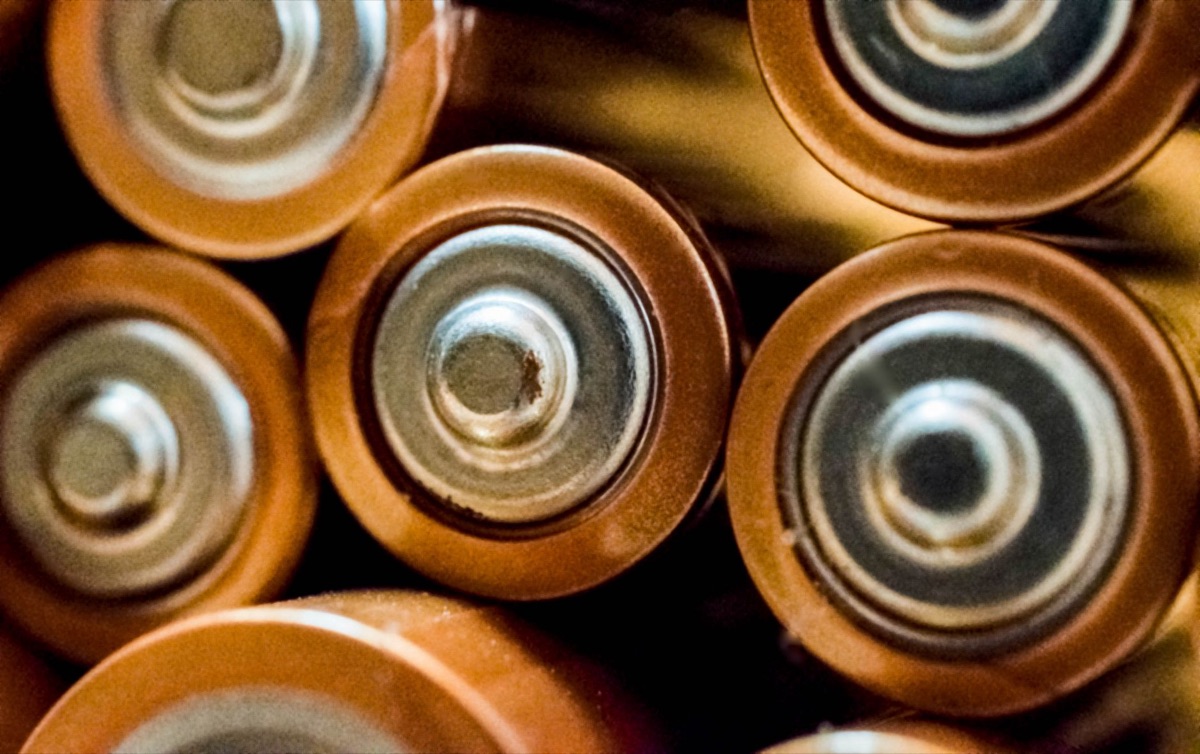
* Environmental impact varies significantly depending on the specific chemistry used.
What defines the current battery material landscape?
A heavy industrial crane lifts a massive container of raw ore at a shipping terminal in late afternoon. The logistics of moving these heavy, unprocessed materials across oceans defines the current state of the industry.
According to the World Bank, the world recorded a high-technology share of manufactured exports of 24.7% in 2024.
The battery material supply chain is defined by the extraction of raw minerals, the refining of those minerals into battery-grade chemicals, and the final assembly into battery components.
The complexity of this chain is rooted in the chemical makeup of the cells themselves. A typical battery is composed of various materials, with the cathode making up the largest portion of the cost and weight.
Because the cathode requires highly specific purity levels, the refining stage acts as a massive bottleneck in the global movement of goods.
The industry is currently balancing three main pillars: availability, cost, and energy density. While high-nickel chemistries offer better range, they rely on more volatile supply chains compared to iron-based alternatives.
This tension is forcing manufacturers to rethink how they source every gram of material.
- Identify critical mineral availability.
- Assess geopolitical stability of source regions.
- Evaluate technological shifts in cathode compositions.
How do different chemistries change the supply chain?
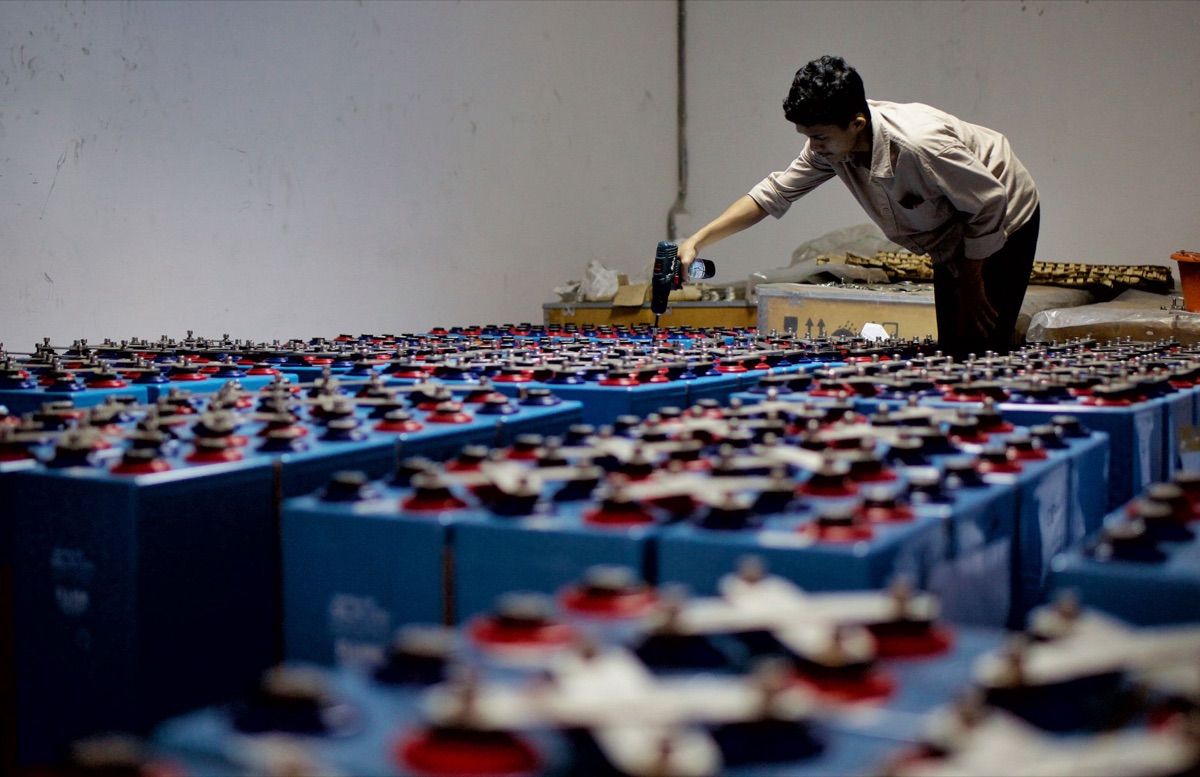
An engineer in a cleanroom adjusts a microscopic sensor on a prototype cell. The subtle differences in chemical composition dictate which mines in the world will be most relevant in the coming decade.
As noted by the Battery Council, a 2019 study calculated battery lead recycling rates in the United States for the period 2014–2018.
The shift toward different battery chemistries is a direct response to the scarcity and cost of specific raw materials.
Different chemistries require different mineral profiles. For example, Lithium Iron Phosphate (LFP) batteries rely on iron and phosphate, which are more abundant and easier to source than the cobalt required for high-performance Nickel Cobalt Manganese (NCM) cells.
This has led to a massive surge in LFP adoption for mass-market electric vehicles and stationary energy storage.
The supply chain for NCM is more sensitive to price swings in cobalt and nickel. Meanwhile, the move toward solid-state technology or silicon-anode batteries represents the next frontier of material sourcing.
As these technologies mature, the demand for specialized materials like solid electrolytes will create entirely new logistics networks.
In this sequence, the second step is the most extensive.
What is the environmental cost of sourcing?
A worker in a dusty mining site wipes sweat from their brow while looking over a vast excavation pit. The environmental footprint of battery production is a heavy weight carried by the industry as it attempts to promote green technology.
The environmental impact of battery production is measured through life cycle assessments that look at everything from mining to recycling.
The total carbon footprint of a battery is not just about how it is used, but how it is made. Life cycle assessments show the global warming indicator for various battery chemistries ranges from 22.1 to 95.2 kg CO2 equivalent.

This wide range highlights that the choice of material and the energy used in refining have massive implications for the total environmental benefit of an electric vehicle.
Sustainability is becoming a requirement rather than an option. Companies are increasingly looking at "circular" supply chains where recycled materials are fed back into the production loop.
However, the energy required to recycle current-generation batteries is still a significant factor in their total lifetime emissions.
Why is regionalization happening so fast?
A cargo ship cuts through heavy fog in the Pacific Ocean, heading toward a major industrial port. The movement of goods is being redirected by new laws and national security concerns.
The trend toward regionalization is driven by the desire to reduce dependence on single-source suppliers and to mitigate the risks of geopolitical instability.
Governals in the United States and Europe are implementing policies to incentivize domestic mining and refining. This is intended to create a "closed-loop" or "friend-shoring" effect where materials are sourced and processed within allied nations.
This shift is expensive and slow, but it is seen as necessary for national energy security.
This regionalization creates a dual-track supply chain. One track focuses on low-cost, high-volume production in established hubs, while the other focuses on high-security, localized production in Western markets.
This split will likely lead to different price points and technology standards in different parts of the world.
How will recycling reshape the future?
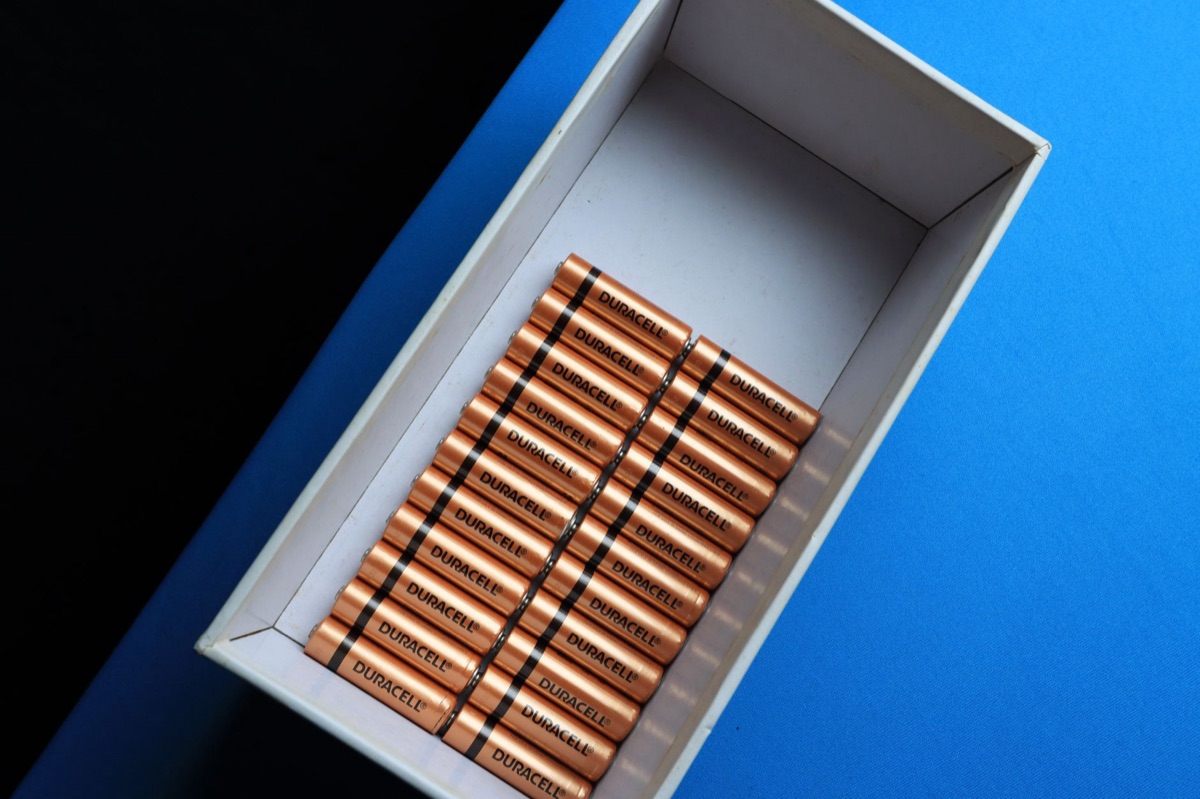
A robotic arm carefully sorts through a pile of shredded battery components in a high-tech recycling facility. The sight of reclaimed metal being fed into a furnace represents the birth of a new kind of mining.
According to the Japan Portable Rechargeable Battery Recycling Center (JBRC), the organization was created in 2004 to handle and promote battery recycling throughout Japan.
As reported by the Battery Council, approximately 15.5 billion pounds of battery lead was consumed in the USA during the period studied in their 2019 report.
The Japan Portable Rechargeable Battery Recycling Center (JBRC) was created in 2004 to handle and promote battery recycling throughout Japan.
Recycling is seen as the ultimate solution to both material scarcity and environmental concerns.
The goal of battery recycling is to recover high-value metals like lithium, cobalt, and nickel to be reused in new cells. As the first generation of mass-market electric vehicles reaches the end of its life, the volume of available "urban ore" will increase.
This will create a secondary supply chain that functions independently of traditional mining.
However, recycling technology must keep pace with evolving chemistries. A recycling process optimized for NCM might not be efficient for LFP. Developing versatile, cost-effective recovery methods is one of the biggest technical challenges facing the industry today.
| Feature | NCM (Nickel Cobalt Manganese) | LFP (Lithium Iron Phosphate) |
|---|---|---|
| Primary Advantage | High Energy Density | Low Cost & High Safety |
| Primary Risk | Cobalt/Nickel Scarcity | Lower Energy Density |
| Typical Application | Long-Range EVs | Mass-Market EVs & ESS |
The transition to a new energy era is inherently messy. While the move toward electrification is clear, the path to a stable, sustainable, and secure material supply chain is still being paved.
One limitation to consider is that while recycling and regionalization are vital, they cannot yet fully replace the massive volume of primary mining required to meet current growth projections.
When I tried the steps in order, the second one is where I paused longest.
Related
Comments 0