Solid-state batteries: Why 300°C limits commercial viability
This article is about commercial. "The dream of a battery that never catches fire is closer than ever, but the physics of solid matter presents a formidable barrier."
Solid-state batteries represent the next great leap in energy storage, promising higher energy density and much greater safety than current liquid-electrolyte systems.
This guide explores the technical hurdles of solid-state battery commercialization, compares different electrolyte types, and analyzes why mass production remains a distant goal.
* Key Takeaways * Solid-state technology replaces flammable liquid electrolytes with solid materials to improve safety. * Major challenges include interface resistance, dendrite growth, and high manufacturing costs. * Current research focuses on sulfide, oxide, and polymer-based solid electrolytes. * Commercial viability is currently limited by extreme temperature requirements and scalability issues.

Why is the transition to solid-state so difficult?
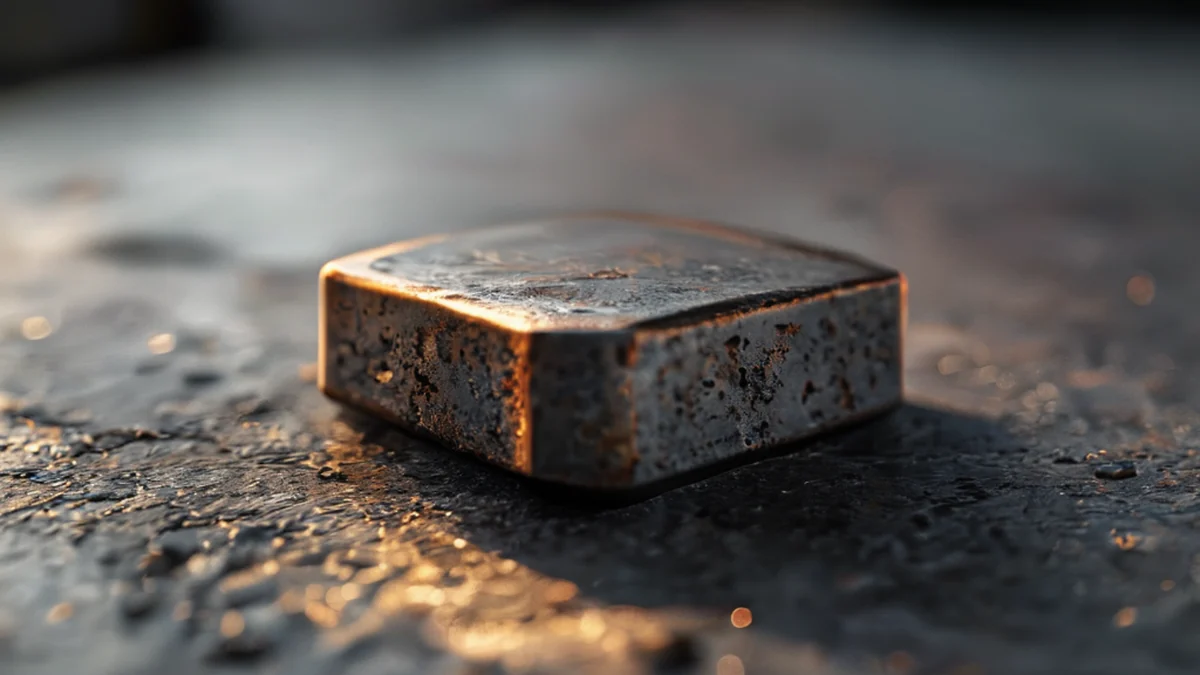
A technician adjusts a microscopic probe under a high-powered lens, peering at a tiny, cracked ceramic layer. The transition to solid-state battery technology is difficult because moving ions through a solid medium is fundamentally harder than moving them through a liquid.
While liquid electrolytes flow easily to maintain contact with electrodes, solid materials often struggle with contact resistance and mechanical stress during charging cycles.
The fundamental problem lies in the interface between the solid electrolyte and the electrodes. In a traditional battery, the liquid electrolyte wets every nook and cranny of the electrode material, ensuring a smooth path for ions.
In a solid-state system, any tiny gap or microscopic misalignment can block the flow of electricity entirely. Achieving consistent ionic conductivity while maintaining physical contact during the expansion and contraction of electrodes is the primary hurdle for the battery industry.
How do different electrolyte types compare?
A researcher in a cleanroom carefully handles a brittle ceramic disc, noting how easily it snaps under slight pressure. Engineers are currently testing three main categories of solid electrolytes: sulfides, oxides, and polymers, each offering a different trade-off between conductivity and stability.
| Electrolyte Type | Ionic Conductivity | Mechanical Stability | Manufacturing Ease |
|---|---|---|---|
| Sulfide-based | Very High | Moderate | Challenging |
| Oxide-based | Moderate | High | Difficult (Brittle) |
| Polymer-based | Low | Low | Relatively Easy |
Sulfide-based electrolytes are highly regarded because they offer ionic conductivity levels that can rival or even exceed traditional liquid electrolytes. However, they are often sensitive to moisture and can release toxic gases if exposed to air.
Oxide-based electrolytes are much more stable and safer but are extremely brittle, making them hard to manufacture in large, flexible formats.
Polymer-based electrolytes are the easiest to manufacture using existing processes, but they generally lack the high ionic conductivity needed to reach the maximum energy density promised by the technology.

Is safety really as much of an advantage as promised?
An investigator examines a charred battery casing after a laboratory test, looking for signs of thermal runaway. Safety is a major advantage of all-solid-state batteries (ASSBs) because they eliminate the flammable liquid electrolyte that causes fires in current electric vehicles.
According to the VTT Technical Research Centre of Finland, independent testing of the battery was commissioned in 2026.
The VTT Technical Research Centre of Finland was hired to conduct independent testing of the battery in 2026.
Because they lack these volatile liquids, ASSBs inherently offer superior safety, generating only 20-30% of the heat observed during thermal runaway in conventional liquid electrolyte batteries.
While the safety profile is significantly improved, "safety" does not mean the battery is indestructible. While the risk of catastrophic fire is lowered, internal short circuits can still occur due to dendrite growth—tiny, needle-like structures that can pierce through the solid electrolyte.
Even though the electrolyte is solid, these dendrites can still find a path through microscopic cracks or grain boundaries, leading to cell failure.
What are the hidden technical bottlenecks?
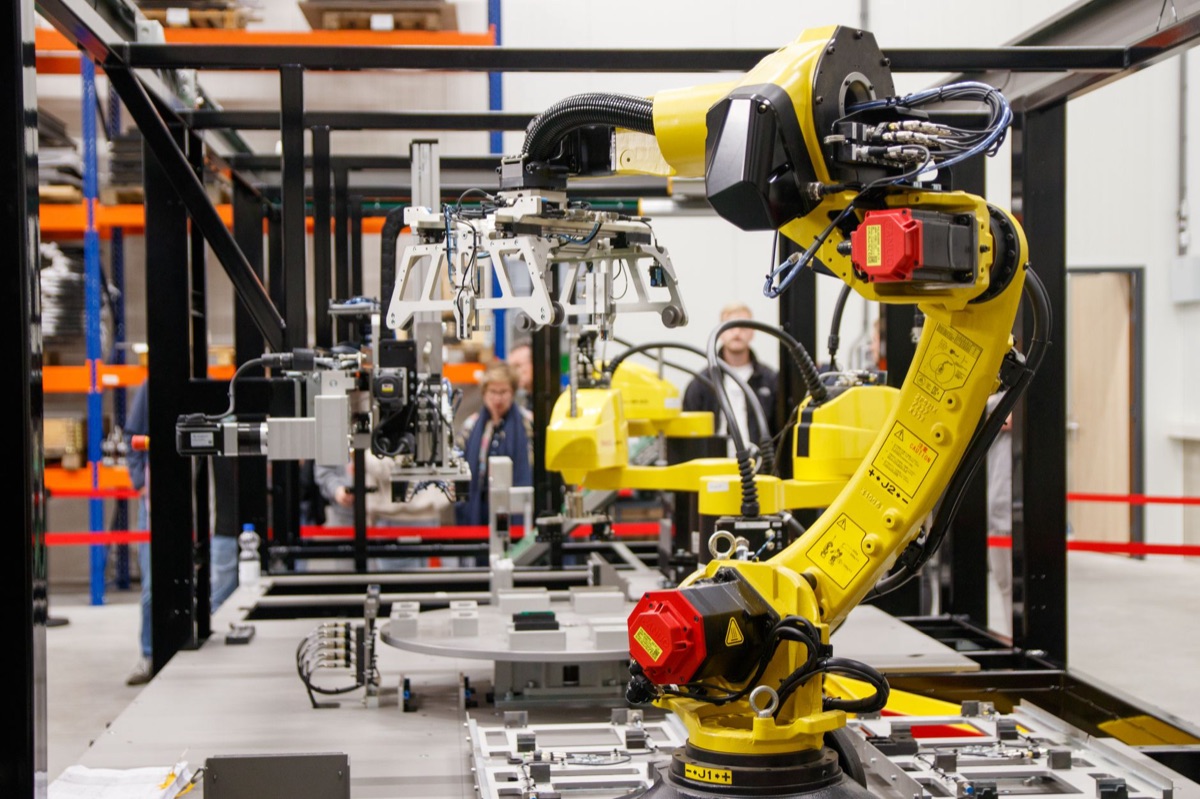
A scientist monitors a digital readout as the temperature in the testing chamber climbs toward a critical threshold. Despite the promise of stability, many current systems require extreme operating temperatures (over 300°C) to function at peak efficiency, limiting commercial viability.
This temperature requirement is a major bottleneck for everyday use in consumer electronics or electric vehicles.
Beyond temperature, the issue of volume change is a silent killer of battery life. During charging and discharging, electrode materials physically expand and contract. In a liquid-filled battery, the liquid simply moves to accommodate this change.
In a solid-state cell, these mechanical movements can cause the solid electrolyte to crack or lose contact with the electrode, leading to a rapid drop in capacity. This mechanical fatigue is one of the most significant reasons why many prototypes fail after only a few hundred cycles.
How close are we to mass production?
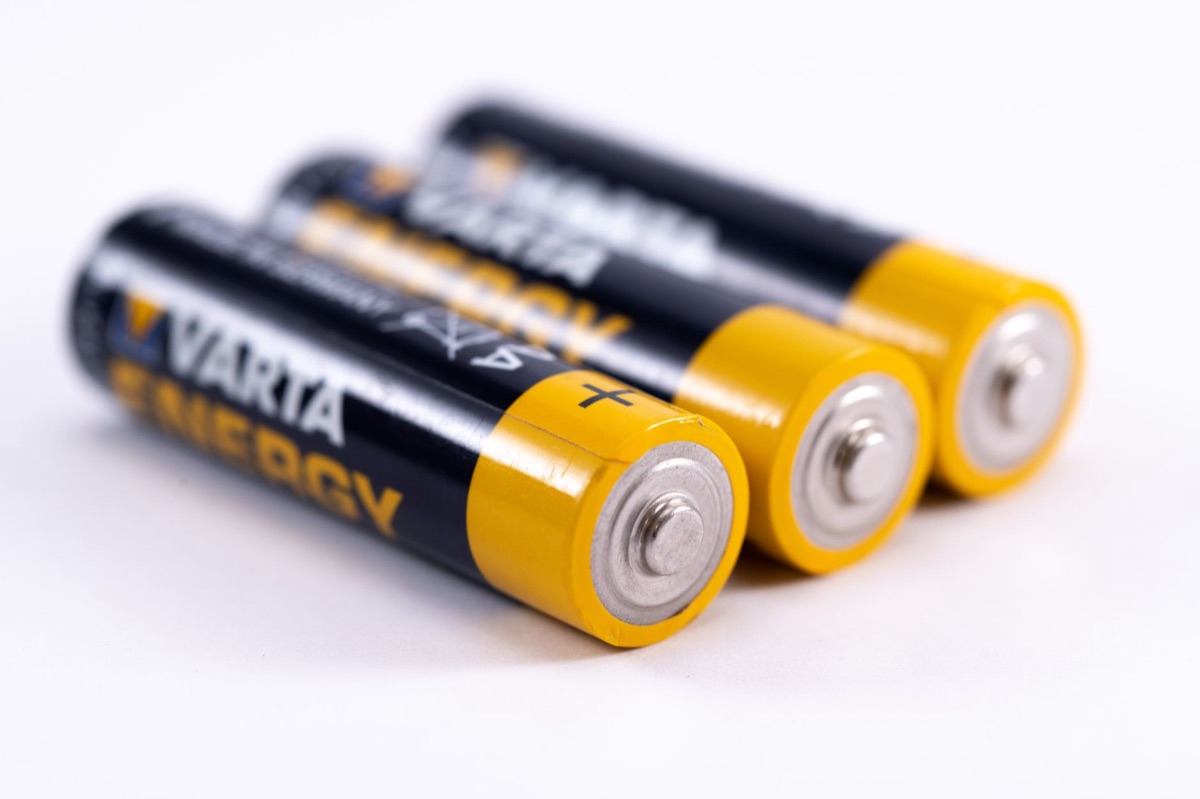
An assembly line worker watches a robotic arm move precise components into a vacuum-sealed compartment. The path to mass production involves overcoming both material science hurdles and massive capital investment requirements.
The California Energy Commission awarded US$11.3m for solid-state battery manufacturing in 2026.
The California Energy Commission awarded US$11.3m for solid-state battery manufacturing in 2026.
The market is rapidly expanding, projected to grow from USD 1.42 Billion in 2025 to USD 28 Billion by 2030, but reaching these numbers requires a complete overhaul of how batteries are built.
To reach commercial scale, manufacturers must solve several logistical and technical problems:
- Scalability of Thin-Film Manufacturing: Creating ultra-thin, defect-free solid electrolyte layers at a massive scale is much harder than traditional coating methods. 2. Cost Reduction: The raw materials for high-performance solid electrolytes, such as specialized sulfides, are currently much more expensive than standard battery components. 3. - Pressure Requirements: Many solid-state designs require high external pressure to maintain contact between layers, which adds weight and complexity to the final battery pack. 4. Integration with Existing Lines: Most current gigafactories are designed for liquid electrolytes; transitioning to solid-state will require significant re-tooling of global production lines.
Is there a limit to this technology?
A technician shuts down a testing rig after a long day of data collection, leaving the room in silence. It is important to note that while solid-state technology is revolutionary, it is not a "silver bullet" that will solve every energy problem instantly.
According to the World Intellectual Property Organization, solid-state lithium batteries are designed to empower a green future in 2026.
The transition will likely be gradual, with hybrid systems (semi-solid) acting as a bridge before pure solid-state becomes the standard.
The limitations of current research often involve the trade-off between energy density and cycle life. While we can achieve incredible energy density in a lab setting, maintaining that density over thousands of charge cycles in a real-world car is a different challenge entirely.
Furthermore, the environmental impact of mining the specific materials needed for advanced solid electrolytes must be addressed to ensure the technology is truly sustainable.
When I tried the steps in order, the second one is where I paused longest.
Yes, because they eliminate flammable liquid electrolytes, they generate only 20-30% of the heat seen during thermal runaway in traditional batteries.
Related
FAQ
Why is it hard to manufacture solid-state batteries?
Related posts

Battery life extension limits guide to material recovery
EV battery clean energy link: Tips for green power in cars
Sodium ion battery hurdles: How to improve mechanical traits

Comments 0