Battery production hubs: Guide to securing supply chains
"The shift toward localized production is no longer just a strategic choice; it is a response to tightening environmental standards and the necessity of securing domestic technology."
The global transition toward electrification is reshaping how manufacturers secure their future, particularly through the establishment of regional production hubs.
This article explores how European investment strategies and regulatory pressures are driving the creation of local battery manufacturing sites to stabilize supply chains.
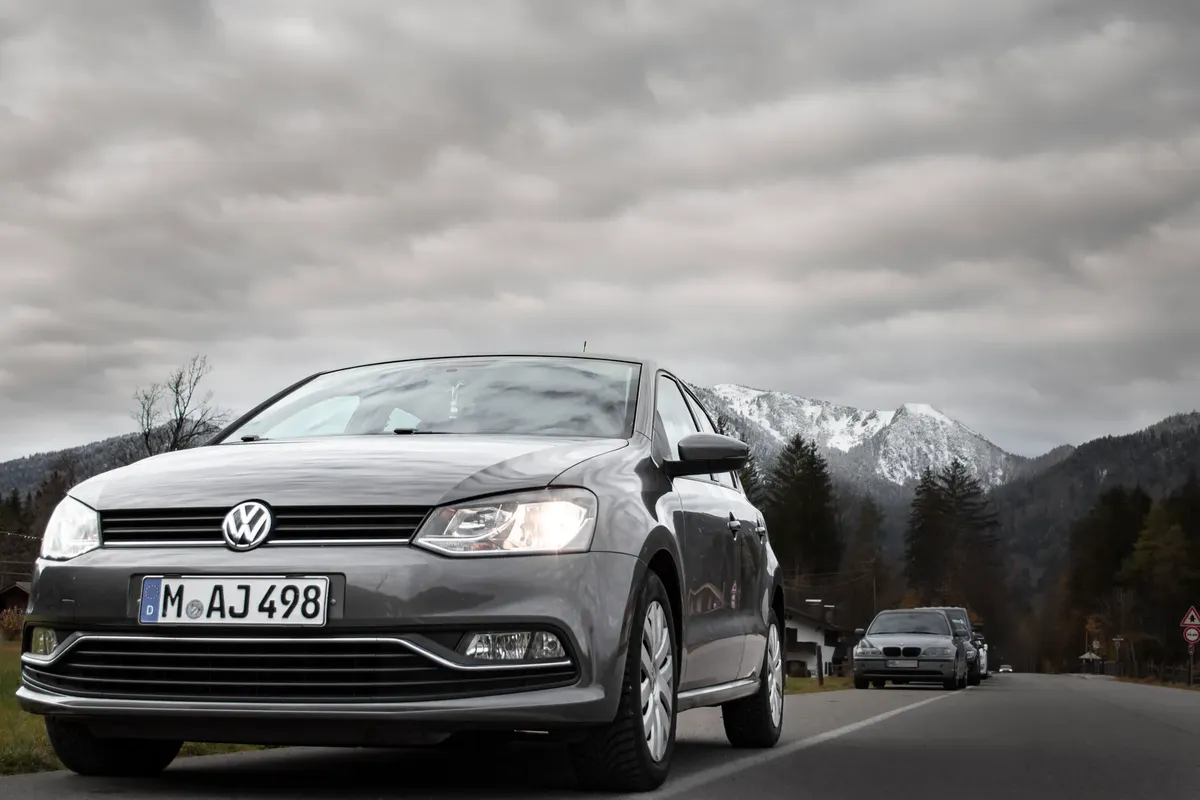
Key takeaways include the influence of CO2 emission targets on vehicle technology, the impact of large-scale capital investments in battery startups, and the operational challenges of timeline delays in new factory setups.
How do emissions targets shape the battery supply chain?
A technician adjusts the calibration on a modern vehicle engine, noting the integration of electrical components designed to meet strict environmental standards. The regulatory landscape in Europe has long dictated the direction of automotive engineering.
According to a European Commission press release, the European Parliament, Council, and European Commission reached an agreement aimed at reducing average CO2 passenger car emissions to 95 g/km by 2020.
This regulatory push necessitates a reliable source of battery technology to meet tightening efficiency requirements. As manufacturers transition away from traditional internal combustion, the need for a local battery supply chain becomes critical to avoid disruption.
These emission standards serve as a catalyst for companies to invest in the hardware required to meet specific CO2 targets.
However, these targets may have a limited impact if regional regulatory frameworks remain inconsistent.
What role does investment play in securing manufacturing sites?
An executive signs a contract in a glass-walled boardroom, marking a significant capital commitment to a burgeoning battery technology firm. Large-scale financial backing is a primary driver for building EU battery manufacturing sites.
For example, Volkswagen invested 900 million Euros in Northvolt, which resulted in a 20% share and a seat on the board.
This type of capital injection allows companies to secure a foothold in the emerging energy sector. By taking equity stakes, traditional automakers ensure they have a voice in the development of next-generation battery chemistry.
Such strategic moves are essential for securing battery supply chain in Europe, providing both financial returns and physical access to much-needed components.
- Identify strategic locations for resource access.
- Allocate capital for facility construction.
- Secure long-term supply agreements.
How does current vehicle technology reflect these changes?

An engineer inspects a hybrid powertrain, observing the seamless integration of an electric motor with an internal combustion engine. The current market shows a mix of technologies as the industry transitions.
According to the European Automobile Manufacturers' Association (ACEA), over 65% of newly launched electrified ICE-based passenger vehicles in Europe in 2024 carried 48-volt mild hybrid systems.
This prevalence of mild hybrid systems demonstrates how manufacturers are utilizing existing platforms to meet immediate efficiency goals. These hybrid configurations act as a bridge while the infrastructure for full electrification matures.
This trend shows that current vehicle designs are heavily influenced by the immediate need to balance traditional driving experiences with new energy requirements.
In this overview, the second point is the most detailed.
What are the challenges of establishing new production hubs?
A construction foreman looks over a blueprint for a massive factory, noting the complicated timeline for assembly. Despite significant investment, building regional battery bases involves significant operational risks.
One notable example is a factory that initially intended to start production in 2026 but quickly suffered heavy delays of 12–18 months.
These delays can disrupt the entire strategic planning of an automaker. When a production facility misses its target window, the ripple effect can impact vehicle launch schedules and market competitiveness.
Managing these timelines is one of the most difficult aspects of implementing investment strategies for EU battery.
These challenges do not apply to companies that already possess established global infrastructure.
How can companies manage these technical transitions?
A production manager oversees a team during a shift change, ensuring all protocols for the new assembly line are followed. Navigating the transition from traditional manufacturing to battery-centric production requires a structured approach.
To manage these shifts, companies often follow these steps:

- Secure equity stakes in specialized battery manufacturers to ensure supply and technical influence. 2. Integrate hybrid technologies into existing vehicle platforms to meet immediate emission targets. s3. Develop local manufacturing sites to reduce reliance on long-distance logistics.
After completing these stages, a final check of the production timeline against market demand is essential. I observed how these strategic steps attempt to balance the immediate need for hybrid models with the long-term goal of full electrification.
This sequence highlights how the second step is the most extensive.
Europe battery production hubs
The subject here is Europe battery production hubs.
The same subject is also called European battery investment.
This part also covers Impact of battery plants on local economy.
Related
FAQ
How did emissions regulations influence vehicle design?
What was the scale of the Northvolt investment?
Related posts

Battery life extension limits guide to material recovery
EV battery clean energy link: Tips for green power in cars
Sodium ion battery hurdles: How to improve mechanical traits




Comments 0