Battery life extension limits guide to material recovery
Managing the lifecycle of energy storage requires understanding the complex balance between material recovery and the technical limits of current recycling processes. This guide explores the technical hurdles of battery life extension and material recovery, providing a comparison of recycling efficiency and the practical steps involved in handling various battery types. Key takeaways include the high efficiency of lead-acid recycling, the varying recovery rates of lithium-ion cells, and the logistical challenges of material sourcing.
How do we address battery life extension limits?

A technician carefully inspects a worn-out power cell to determine if it can be refurbished or must be scrapped. Addressing battery life extension limits involves balancing the chemical stability of the cell with the economic feasibility of recovery.
While some cells can undergo multiple refreshes, the physical degradation of components eventually necessitates complete recycling to regain raw materials.
The efficiency of life extension varies significantly by chemistry. For example, one LFP pouch cell showed 96% capacity after the battery's 6th refresh at 11,818 cycles when cycled in a lab at 1C.
This demonstrates that under specific laboratory conditions, certain chemistries can push the boundaries of longevity. However, real-world applications face much harsher thermal and mechanical stresses that accelerate aging.
What are the current battery aging challenges?
An engineer monitors the temperature fluctuations in a testing chamber to observe how heat affects cell degradation. Managing battery aging challenges requires a deep understanding of how different materials respond to repeated charge cycles.
As cells age, internal resistance increases, which can lead to reduced capacity and potential safety risks if not managed through proper recycling or replacement.
Different battery types present unique recovery profiles. Lead-acid automotive batteries are recycled at a rate of nearly 99%, making them highly efficient in terms of material circularity.
In contrast, lithium-ion recycling processes today recover approximately 25% to 96% of the materials of a lithium-ion battery cell. This wide range reflects the complexity of modern chemistries and the varying maturity of recovery technologies.
How is improving battery longevity achieved through recycling?

A worker sorts through a bin of spent cells, separating high-value components from waste. Improving battery longevity often relies on the ability to reclaim high-purity materials to create new, high-performance cells.
By successfully recovering metals, the industry can offset the environmental and technical costs of sourcing virgin materials.
The recovery of specific metals is critical for maintaining high-quality production. In a Nevada pilot plant, the Redwood Materials process recovered more than 95% of important metals, including lithium, cobalt, nickel, and copper, from 230,000 kg of old NiMH and Li-Ion packs.
This high level of recovery is essential for building a sustainable supply chain that supports long-term battery health.
| Battery Type | Typical Recycling Rate |
|---|---|
| Lead-acid automotive batteries | Nearly 99% |
| Lithium-ion battery cells | 25% to 96% |
I observed how the precision of the recovery rate changed depending on the specific metal being targeted during a pilot plant demonstration.
What are the EV battery life limits regarding sourcing?
A heavy machine extracts minerals from a deep trench, highlighting the tension between resource needs and environmental protection.
Exploring next gen battery technology limits involves looking at both the chemical capacity of the cells and the availability of the raw materials required to build them. Current limitations are often defined by the scarcity of specific elements and the energy-intensive nature of extraction.

While new sourcing methods are being discussed, the current industry relies heavily on established terrestrial mining and highly efficient recycling loops. The transition to new materials remains a significant bottleneck for global scaling.
How do we manage advanced battery degradation solutions?
A scientist adjusts the parameters of a carbothermal reduction furnace to optimize metal recovery. Implementing advanced battery degradation solutions requires specialized thermal processes to separate metals from spent cells.
These processes must be efficient enough to be economically viable while preventing the loss of valuable elements during high-heat treatments.
One method used in the industry is the carbothermal reduction process, which results in a mixed-metal alloy similar to the smelting process but using a lower temperature of 650-1000 °C. This lower temperature range can help manage energy costs while still achieving effective separation.
Some systems can even operate at temperatures as low as 200 °C.
What are the practical steps for battery recycling?
A specialized team follows a strict protocol to handle hazardous materials during the decommissioning of a large battery pack.
To ensure safety and efficiency, the following steps are generally followed: The Battery Council figures indicate that around 15.5 billion pounds of battery lead was consumed in the USA in that period, with a net amount of approximately 2 billion pounds battery scrap lead being exported, according to The Battery Council.
- Collection and sorting: Batteries are gathered and categorized by chemistry to prevent cross-contamination. 2. Disassembly and pretreatment: Cells are mechanically or chemically prepared to access the internal components. 3. Material recovery: Through processes like smelting or hydrometallurgy, valuable metals are extracted and purified.
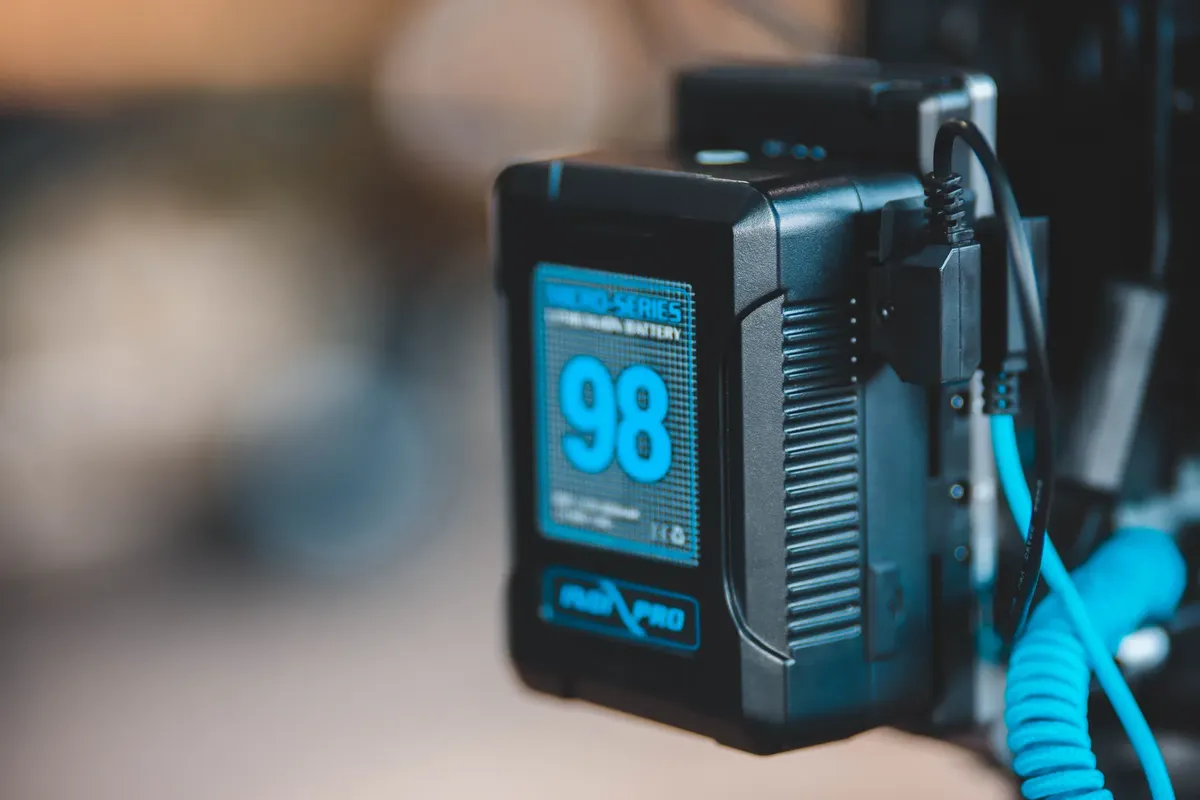
A final check involves testing the purity of the recovered materials to ensure they meet the standards for new battery production.
In some regions, such as Australia, the industry must also manage the risk of fires, with the Australian Council of Recycling (ACOR) estimating between 10,000 and 12,000 battery-related fires a year in waste and recycling streams.
- How do we address battery life extension limits?
- What are the current battery aging challenges?
- How is improving battery longevity achieved through recycling?
The subject here is Battery life extension limits.
The same subject is also called Extend battery lifespan tech.
This part also covers ESS lifespan extension methods.
Related
FAQ
Which batteries are easiest to recycle?
What is the current recovery range for lithium-ion cells?
Related posts
EV battery clean energy link: Tips for green power in cars
Sodium ion battery hurdles: How to improve mechanical traits
EV market battery tech shift: Best tips for transport guide





Comments 0