Five Practical Tips for Extending the Lifespan of
Lithium-ion batteries are essential energy storage devices in modern life, powering smartphones, electric vehicles, and wireless devices. While a gradual decrease in battery capacity during use is natural, proper usage habits and management techniques can significantly extend their lifespan.
This article presents five practical tips to prevent battery drain and maintain performance, focusing on principles and criteria that are easy for everyday users to apply.
Key Factors Affecting Battery Life
Battery life is significantly affected by the number of charging cycles, temperature, and voltage stability. Maintaining a 100% charged state for extended periods or fully discharging the battery can shorten its lifespan. This is because it excessively activates chemical reactions between the lithium coating and electrolyte within the battery. Therefore, maintaining a stable "state of charge" and managing "temperature" are crucial for extending battery life.
1. Maintaining State of Charge: The Ideal Range is 20% to 80%
Lithium-ion batteries maintain the most stable state when the charge level is between 80% and 40%. This range minimizes stress on the electrode materials within the battery, reducing chemical changes and expansion.
Prolonged periods at 100% charge accelerate electrolyte decomposition and the formation of a resistive layer, leading to increased internal resistance and reduced capacity.
- Practical Guideline: Aim to stop charging at 80% or start charging before the battery drops below 20% during daily use.
- Possible Method: Activate the "battery protection mode" or charging limit feature (e.g., 30%) on your smartphone to automatically maintain this range.
- Important Note: When storing a device for an extended period, maintain a charge level of around 50%. Storing a fully discharged battery increases the risk of electrolyte decomposition and may render it unusable.
According to UNESCO's 2024 report, global demand for lithium-ion components is expected to rise by 15% through 2026. This surge highlights why managing individual device health is vital for long-term sustainability.
2. Overheating: A "Fatal Weakness" of Batteries
Batteries are highly susceptible to high temperatures. Prolonged use or charging above 35°C can excessively accelerate internal chemical reactions, leading to the formation of a lithium resistive layer and electrolyte decomposition.
Studies have shown that batteries used at 60°C for a year experienced approximately 30% more capacity loss compared to those used under the same conditions at 25°C.
- Practical Checkpoints:
- - Avoid using or charging devices in direct sunlight.
- - Prevent batteries from being exposed to high temperatures (e.g., inside a car in summer) for extended periods.
- - If the device becomes hot during charging, stop charging immediately and allow it to cool down.
- Temperature Safety Standard: Maintaining a temperature between 15°C and 30°C is ideal for long-term use.
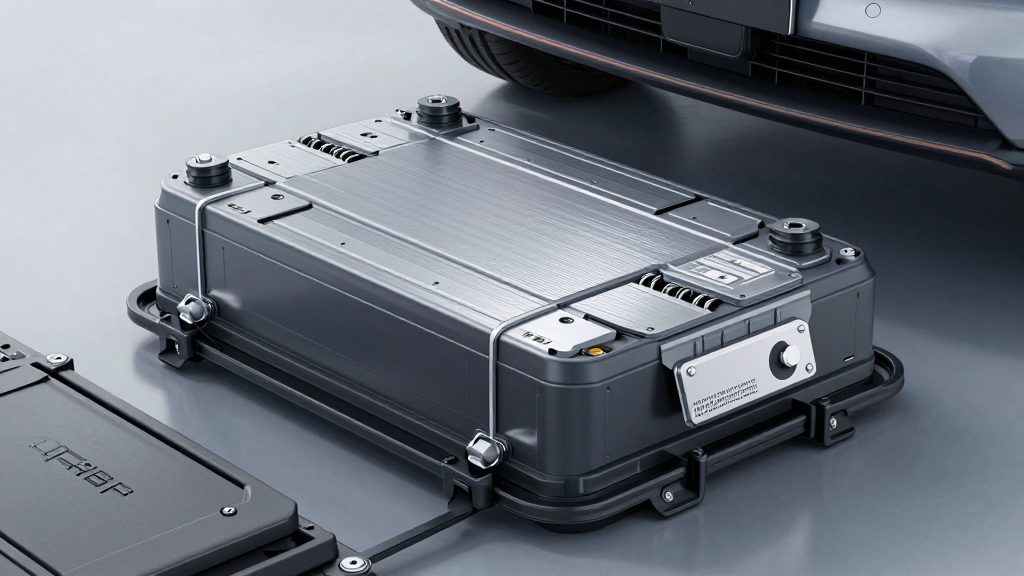
According to the International Energy Agency's 2023 data, electric vehicle battery efficiency can drop by up to 20% if extreme temperatures are not managed. Proper thermal regulation remains a key factor in preserving capacity.
3. Charging Method: Balancing Fast Charging vs. Constant Current Charging
While fast charging (high current) is convenient, it puts a strain on the battery. High-current charging can cause "lithium plating" on the electrode surface, which increases the risk of internal short circuits and capacity degradation.
Constant current charging, on the other hand, provides a stable current flow and is less stressful for the battery.
- Practical Advice:
- - Prioritize "constant current charging" (standard charging) for daily use.
- - Avoid using fast charging more than 2-3 times in a row, unless absolutely necessary.
- - The quality of the charger is also important. Uncertified chargers may have unstable current regulation, which can damage the battery.
- Standard: It is beneficial for battery life to space out fast charging sessions by at least 3 days.
According to the U.S. Department of Energy's 2022 study, optimizing charging cycles can extend lithium-ion life by nearly 30%. Following specific voltage guidelines helps prevent premature chemical degradation.
4. Monitoring Battery Health: "Capacity Retention Rate" is Key
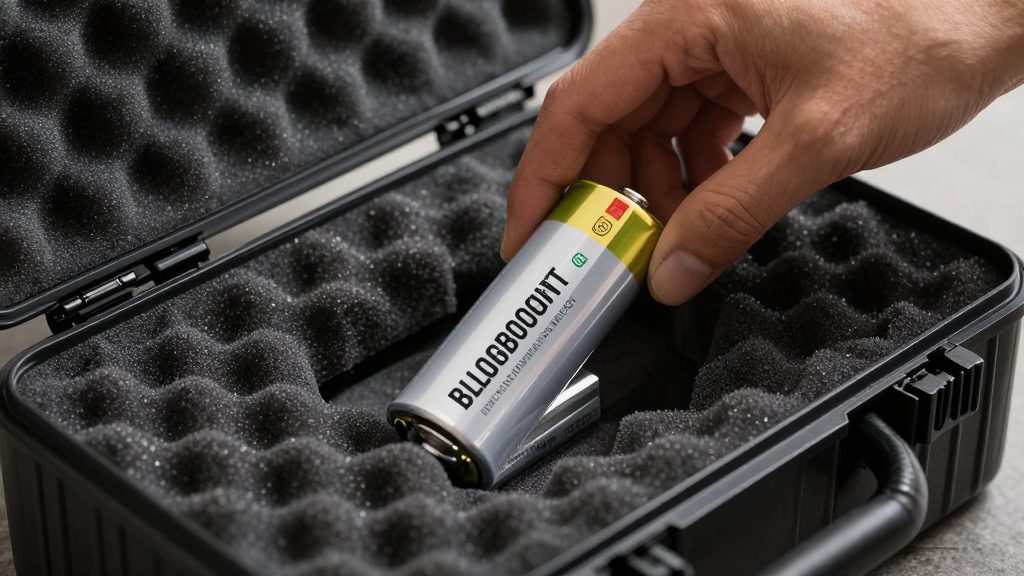
The most accurate indicator of battery health is the "capacity retention rate." If a newly purchased battery retains over 80% of its original capacity after two years of use, it is considered good. If the retention rate drops below 70%, consider replacing the battery.
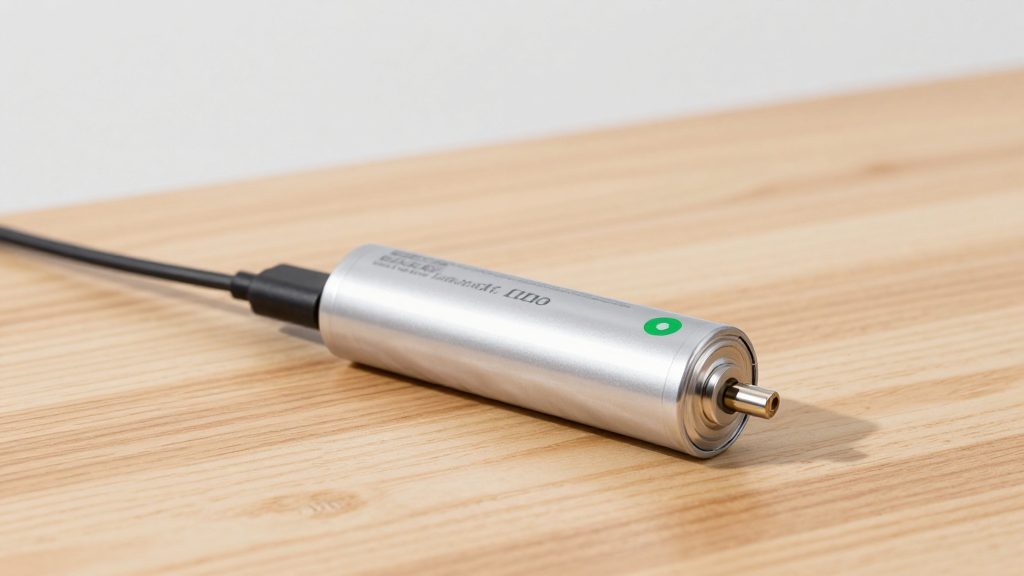
- Self-Check Method:
- - Check the "battery health" or "battery condition" in your smartphone's settings.
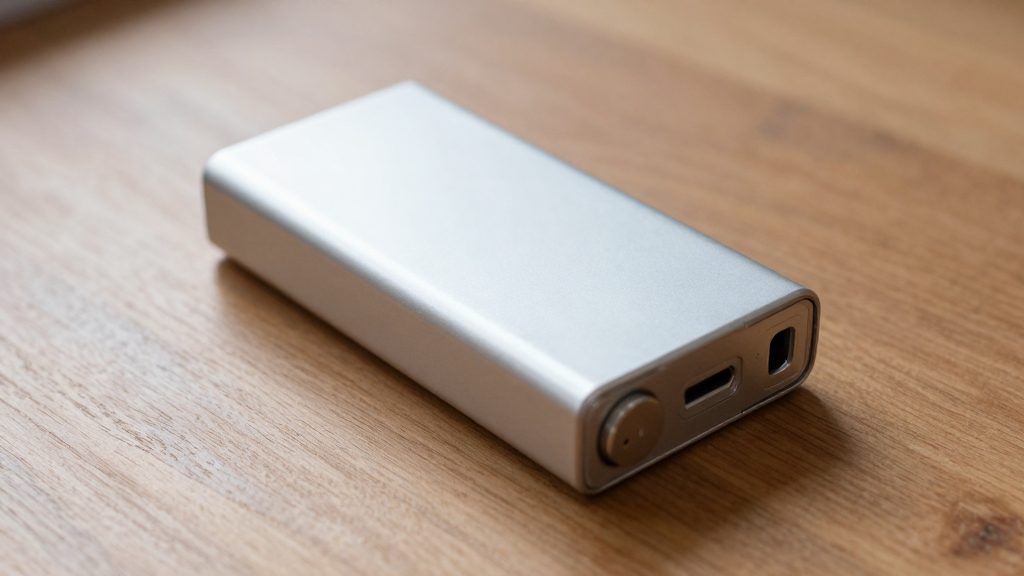
- - If the capacity retention rate is below 80%, consider using a portable power bank regularly.
- - Check the battery health every 6 months to quickly identify any changes.
- Important Note: Capacity loss cannot be reversed artificially. Feeling like a device reset or setting adjustment has "improved" the battery is often a misunderstanding.
5. Essential Conditions for Long-Term Storage: Charge Level and Temperature
Devices that will not be used for an extended period (e.g., a smartphone for summer vacation, an e-bike in storage) require specific storage conditions. Storing a fully discharged battery can lead to electrolyte decomposition or damage to internal circuits.
- Storage Guidelines:
- - Charge Level: Maintaining a charge level of around 50% is ideal.
- - Storage Environment: The optimal temperature is between 15°C and 25°

Comments 0