Lithium-ion batteries vs. solid-state batteries: Where is the future energy strategy for electric vehicles headed?
The core evolution in electric vehicle battery technology is moving towards "solid-state batteries." While most current EVs rely on lithium-ion batteries, these have limitations in terms of safety and energy density. Solid-state batteries, on the other hand, replace the liquid electrolyte with a solid material, potentially reducing fire risk, improving charging speed, and extending lifespan. However, they are still in the early stages of commercialization, and lithium-ion batteries are likely to remain a dominant technology for the foreseeable future. This article compares the key differences between these two battery types, analyzes their industrial prospects, and assesses their practical applications.
Headings
1. Safety: Which is Safer?
- Lithium-ion batteries: The main risk comes from the electrochemical instability of the liquid electrolyte. Overcharging, external impacts, and high temperatures can cause the electrolyte to decompose, leading to gas generation and potential ignition. While actual incidents are not frequent, they can cause significant damage.
- Solid-state batteries: The absence of a liquid electrolyte significantly reduces the risk of adverse effects at high temperatures. The thermal stability of solid materials is superior to liquids, and the risk of ignition is much lower. This is particularly important in the event of a car crash.
Conclusion: Solid-state batteries offer superior safety. However, improving the safety design of lithium-ion batteries remains crucial until solid-state technology is fully commercialized.
2. Charging Speed: How Much Faster Can We Charge?
- Lithium-ion batteries: Currently, it takes approximately 30-40 minutes to charge an EV to 80%. Fast charging can lead to the formation of metal deposits (dendrites) due to the limited rate of lithium doping in the electrodes.
- Solid-state batteries: The solid conductive material allows for smoother lithium-ion movement, reducing the risk of electrode damage during fast charging. Some research suggests that it may be possible to charge to 80% in under 10 minutes, but this is still in the experimental stage.
Conclusion: Solid-state batteries offer a clear advantage in charging speed. However, the feasibility of implementing this technology in real-world driving conditions and its compatibility with existing charging infrastructure still need to be evaluated.
3. Energy Density and Range: How Much Further Can We Go?
- Lithium-ion batteries: The average range of current EVs is 400-600 km. The energy density is approximately 250-300 Wh/kg. While battery pack design optimization can overcome some limitations, there are physical upper limits.
- Solid-state batteries: Theoretically, they can achieve 400-500 Wh/kg or higher. They can utilize lithium metal anodes without the insulation and thermal conductivity issues associated with liquid electrolytes, significantly increasing energy density. The industry expects this to translate into more than double the driving range.
Conclusion: Solid-state batteries lead in energy density. However, achieving the theoretical performance will require time and validation, considering additional factors such as insulation structure and thermal management design within the battery pack.
2. Lifespan and Durability: How Long Will They Last?
- Lithium-ion batteries: Their lifespan is reduced in high-temperature environments or when kept at a charge level above 80%. While they can last for over 10 years, performance degradation is a common consideration.
- Solid-state batteries: The stable ion movement at the solid conductive interface and the uniform structure during the lithium doping process contribute to their durability. Simulations suggest that they could have a lifespan 30-50% longer than existing lithium-ion batteries.
Conclusion: The durability of solid-state batteries is excellent from a long-term operational cost perspective. However, more real-world testing and validation are needed.
---
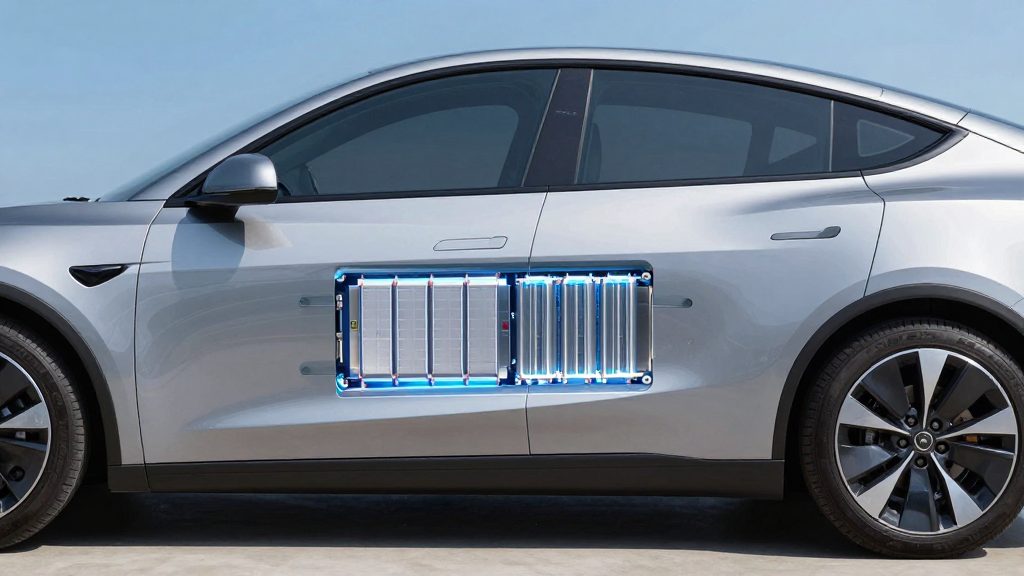
| Item | Lithium-ion Battery | Solid-state Battery |
|---|---|---|
| Safety | Risk of fire due to liquid electrolyte | High stability with solid structure, extremely low risk of ignition |
| Charging Speed | Approximately 30-40 minutes to charge to 10% | Theoretically, possible to charge to 80% in under 10 minutes (experimental stage) |
| Energy Density | Approximately 250-300 Wh/kg | Theoretically, possible to achieve 400-500 Wh/kg or higher |
| Lifespan | Performance degrades quickly in high-temperature and high-charge conditions | High structural stability, expected lifespan 30-50% longer |
---
Recommended For:
- Consumers considering buying an EV: Currently, lithium-ion battery vehicles are more established and offer a wider range of options. However, if you prioritize long-term use and extended driving range, it's important to be aware of the direction solid-state battery technology is heading.
- EV industry professionals: Stay informed about the timing of technology transitions and continuously monitor the commercialization stages of solid-state batteries. Pay particular attention to developments in conductive solid materials and optimization of manufacturing processes.
- Researchers or students interested in battery technology: Understand the physical limitations of solid-state batteries (e.g., resistance at the conductive interface) and recognize the need for material science approaches to overcome these challenges.
---

The core technology transition in the EV industry is moving towards solid-state batteries. While lithium-ion technology still works well, commercializing solid-state technology is essential to overcome the limitations in safety and performance. Although it's not yet a fully realized technology, the future likely lies with solid-state solutions.
Related posts
Five Practical Tips for Extending the Lifespan of Lithium-ion Batteries.
Five Key Principles to Double the Lifespan of Lithium-ion Batteries.

Six Key Principles to Prevent "Performance Degradation" in Lithium-ion Batteries.
Here are 5 key habits to double the lifespan of your lithium-ion batteries.
Popular posts
Five Practical Tips for Extending the Lifespan of Lithium-ion Batteries.
Five Key Principles to Double the Lifespan of Lithium-ion Batteries.
Comments 0