Lithium ion battery recycling: Guide to meet 42-fold demand
"The transition to clean energy requires a massive scaling of resources to meet global demand."
Lithium ion battery recycling is becoming a critical necessity as the global shift toward electric vehicles accelerates. This process aims to reclaim valuable materials to meet the massive supply requirements predicted for the coming decades. 1. The global demand for lithium must increase 42-fold by 2050 to support clean energy transitions. 2. Recycling technologies aim to recover cathode materials like LiCoO2 developed through historical breakthroughs. 3. Current market shifts show high EV production in certain regions, driving the need for sustainable end-of-life solutions.
Why is lithium ion battery recycling becoming a priority?
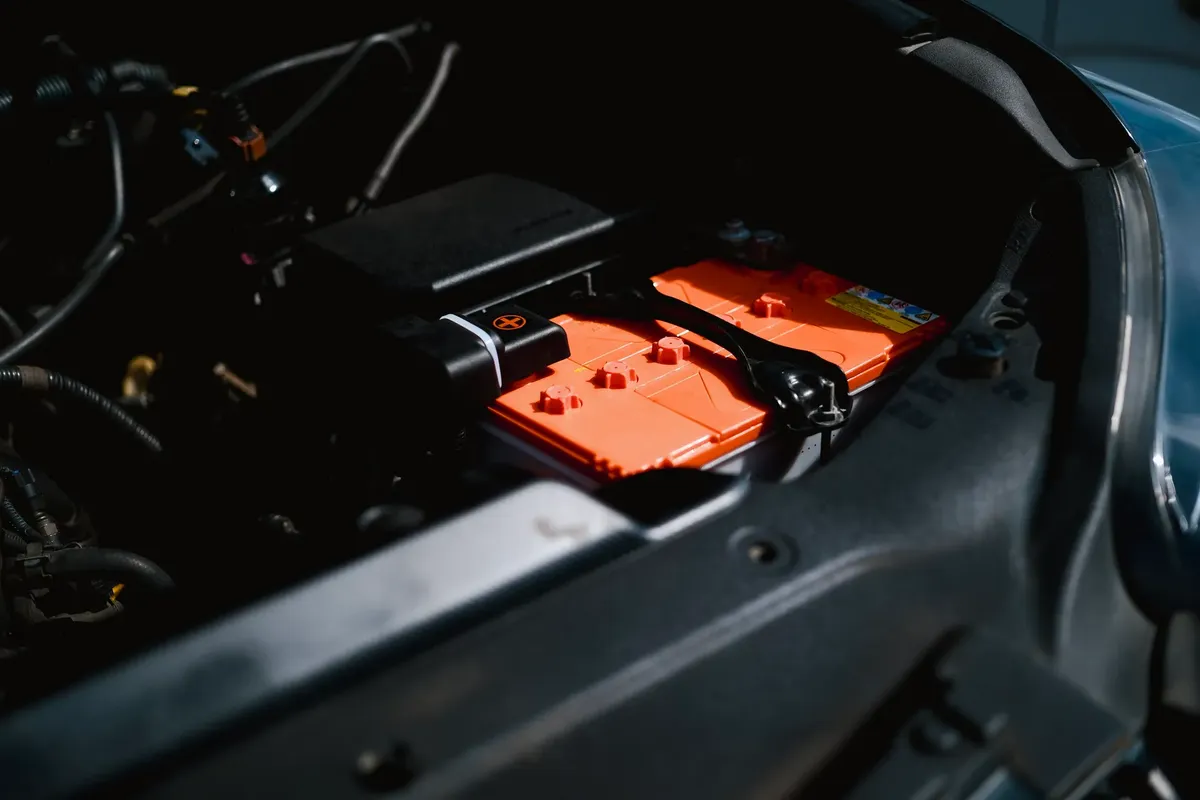
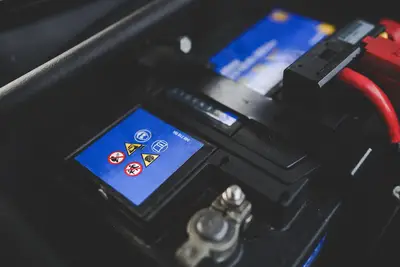
A technician inspects a depleted battery pack in a quiet laboratory, noting the chemical composition required for future use. The urgency of the situation stems from the projected growth in energy storage needs.
According to the US State Department in 2023, the supply of lithium would need to increase 42-fold by 2050 globally to support a transition to clean energy. This massive scaling makes the recovery of materials from old units a fundamental part of the supply chain.
As more vehicles hit the road, the volume of spent cells will grow, necessitating efficient recovery methods.
How does historical innovation influence battery recycling?
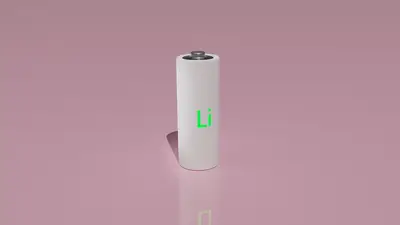
A researcher examines a sample of cathode material, tracing its chemical properties back to foundational discoveries. Understanding the original chemistry is essential for developing effective separation techniques.
The development of the lithium-ion battery relied on specific breakthroughs, such as the discovery of the LiCoO2 cathode material. In 2016, Koichi Mizushima and Akira Yoshino received the NIMS Award from the National Institute for Materials Science for these contributions.
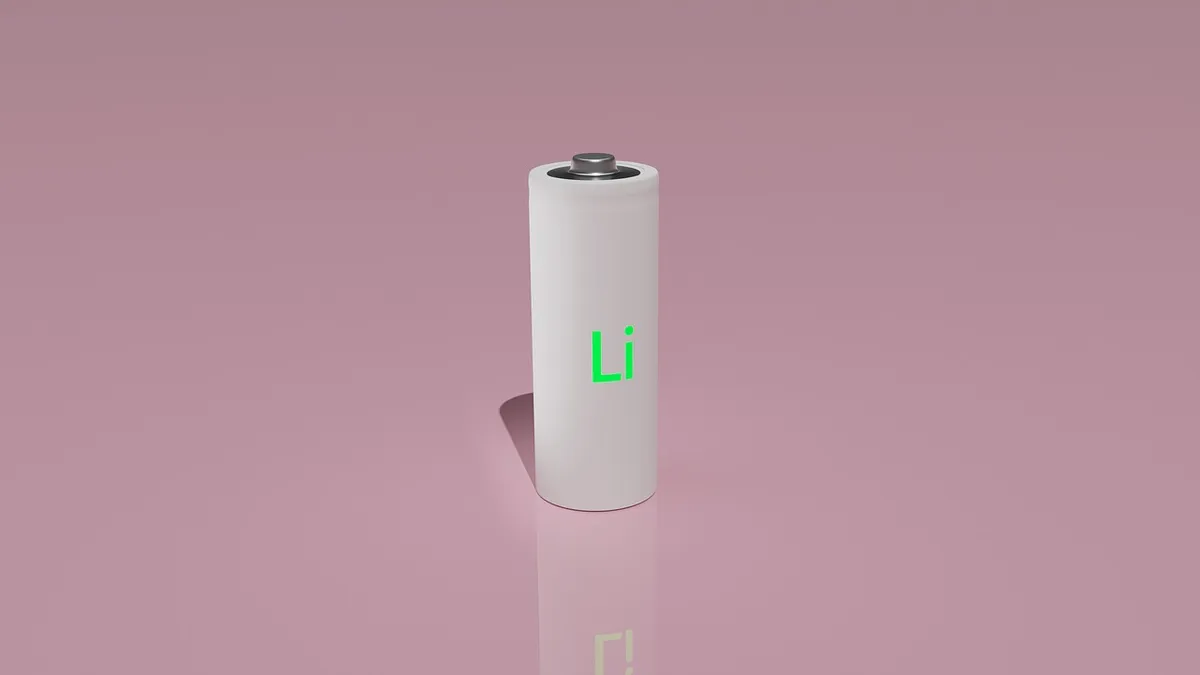
These historical advancements provide the chemical blueprint that recycling processes must now work to reverse and reclaim.
What does the current EV market look like?
An engineer monitors a production line where electric vehicles are being assembled at a rapid pace. The market's current state dictates the speed at which recycling infrastructure must be built.
The market landscape shows significant shifts, as China is the world's leading EV producer, accounting for more than 70% of global production and 67% of global sales of electric vehicles in 2024.
This high concentration of production means that the scale of battery waste will eventually be concentrated in specific regions. Managing this volume requires localized and robust recycling technology.
How do we manage the risks of battery transport?
A logistics worker carefully secures a package containing electronics, following strict safety protocols. Moving spent batteries requires specialized handling to prevent accidents during the recycling journey.
Safety regulations have evolved alongside battery technology. In late 2009, at least some postal administrations restricted airmail shipping of lithium batteries, lithium-ion batteries, and products containing these, such as laptops and cell phones.
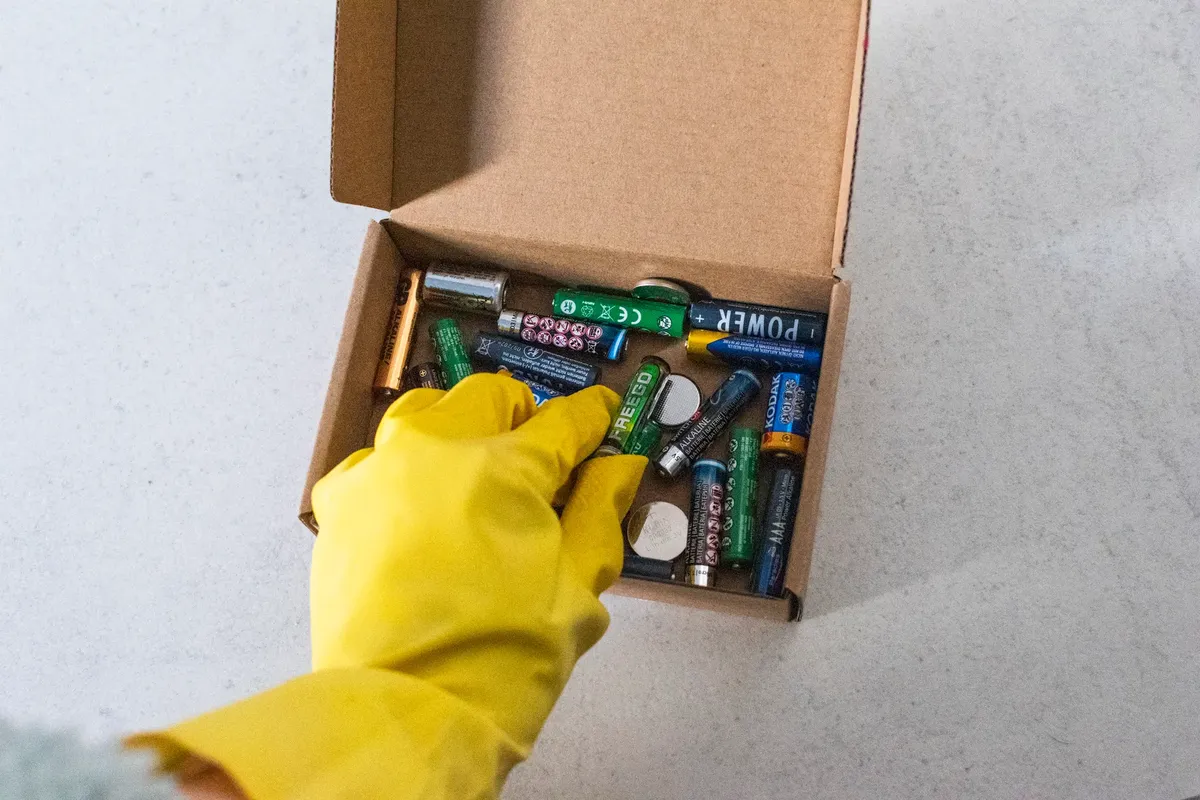
These historical restrictions highlight the inherent risks involved in moving energy-dense materials.
What are the challenges of the current market?
A driver pulls a truck into a charging station, noting the difference in vehicle types on the road. The disparity in vehicle electrification levels presents unique challenges for battery lifecycle management.
While passenger vehicle adoption is high, the heavy-duty sector lags behind. Although over 20% of new cars sold in 2024 were electric, only 2% of trucks were.
This means that the recycling industry must handle a diverse range of battery sizes and formats, from small consumer electronics to large-scale automotive packs.
How can we implement effective recycling steps?
An operator follows a standardized procedure to dismantle a battery module safely. Success in recycling depends on a repeatable and controlled sequence of operations.
- Discharge the battery to a zero-voltage state to eliminate the risk of accidental energy release. 2. Dismantle the battery pack to separate the modules and individual cells from the housing. 3. Process the cells through mechanical or chemical means to extract high-value materials.
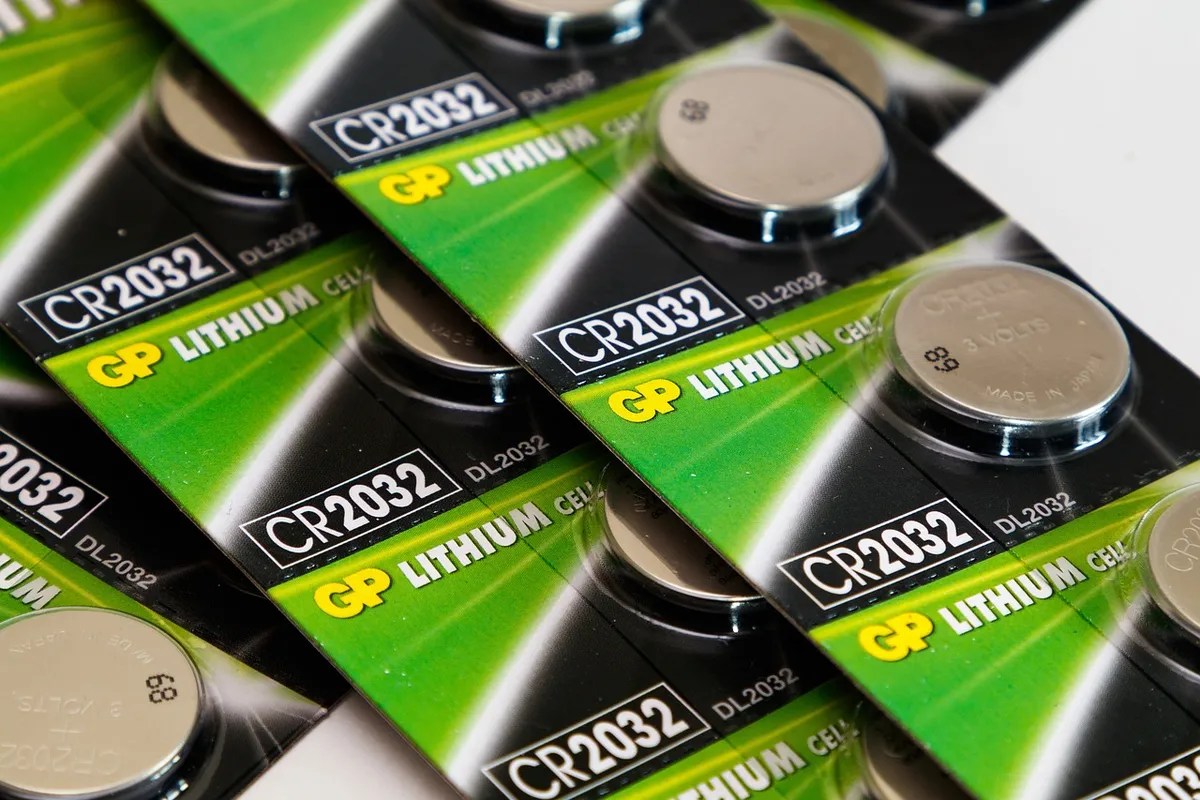
I observed that following these steps strictly is necessary to ensure the safety of the facility. One limitation of current recycling is that the efficiency of material recovery can be influenced by the specific chemical composition of the cathode.
The subject here is Lithium ion battery recycling.
The same subject is also called Battery recycling technology.
The same subject is also called EV battery reuse.
The same subject is also called ESS battery recycling.
The same subject is also called Second life batteries.
This part also covers Chinese firms battery recycling.
This part also covers Battery standards for reuse.
This part also covers Power storage recycling cases.
Chinese firms battery recycling
Related
- Solid state battery safety standards guide ESS deployment
- Global battery additions 108 GW Incheon logistics fire cause
What are the implications of the 42-fold demand increase?
The projected 42-fold increase in lithium demand by 2050 necessitates a massive scaling of resources to support the global transition to clean energy.
This massive scaling requires that recycling processes become a fundamental part of the supply chain to meet the predicted requirements for the coming decades.
How do regional production levels affect recycling needs?
Regional production levels dictate the scale of battery waste that recycling infrastructure must manage.
Because China accounts for more than 70% of global production and 67% of global sales in 2024, the volume of spent cells will be concentrated in specific regions, requiring robust and localized technology.
How does the variety in vehicle types impact recycling processes?
The disparity in electrification levels between passenger cars and trucks creates a need for diverse recycling methods.
While 20% of new cars sold in 2024 were electric, only 2% of trucks were, meaning the industry must handle everything from small consumer electronics to large-scale automotive packs.



Comments 0