Battery safety in EVs and ESS: Tips for system security
"Fire is not the only battery safety issue."
Battery safety in EVs and ESS requires a multi-faceted technical approach that addresses both mechanical integrity and thermal management. Ensuring reliability involves managing full charge synchronization and preventing various failure modes beyond simple combustion.
Key takeaways: * Safety extends beyond fire prevention to include structural integrity and system synchronization. * Crash testing and active safety scores provide benchmarks for vehicle-level battery protection.
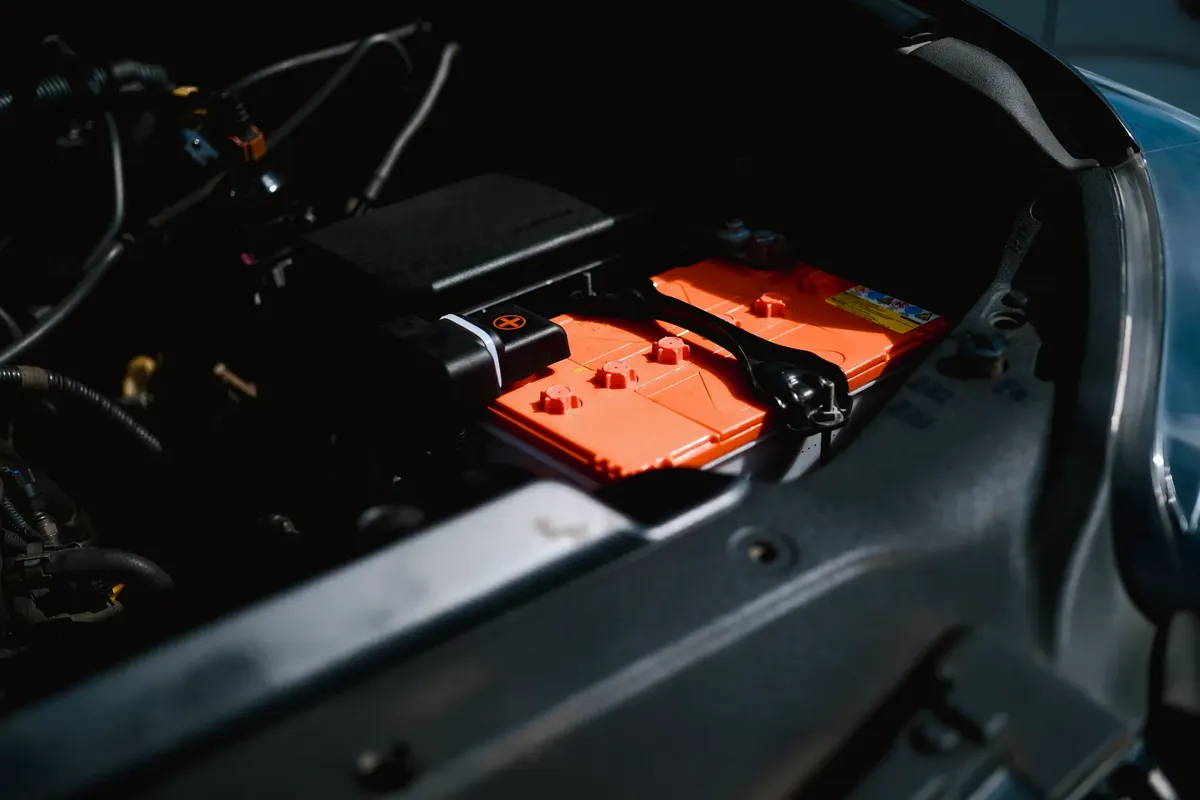
* Technical approaches must address the diverse risks inherent in large-scale energy storage and electric mobility.
How does crash testing impact battery safety in EVs and ESS?
A technician inspects a vehicle chassis after a heavy impact to check for battery casing deformation.
In 2019, the Model 3 demonstrated high-level performance during crash testing, receiving five stars in every category from the National Highway Traffic Safety Administration and a 94% Euro NCAP score in active safety.
Achieving reliable battery safety in EVs and ESS depends heavily on how the energy storage unit survives physical trauma. When high-voltage packs are integrated into vehicles, the structural housing must prevent internal short circuits during collisions.
This level of protection is a primary metric for consumer trust in electric mobility.
The relationship between physical durability and electrical stability is vital. If the casing fails, the internal cells may undergo thermal runaway. Therefore, engineers focus on hardening the battery pack to withstand the kinetic energy of a crash.
- Simulate mechanical impact to evaluate structural integrity.
- Monitor internal cell temperature during deformation.
- Verify containment effectiveness to prevent propagation.
What are the technical challenges of charging synchronization?
An engineer stands in the dark lab at midnight, wiping sweat from his brow as he monitors the heat radiating from the charging battery bank.
An engineer monitors a digital dashboard as a massive battery bank undergoes a rapid charging cycle. Achieving full charge sync requires precise voltage management across thousands of individual cells to prevent uneven wear.
Battery system safety tech must account for the fact that not all cells in a pack behave identically during high-current charging. When a system attempts to reach 100% capacity, the internal resistance of older or weaker cells can cause temperature spikes.
This creates a risk where one cell might fail while the rest of the system remains stable.
Managing these discrepancies is essential for both electric vehicles and stationary storage. Without precise control, the pursuit of maximum energy density can compromise the stability of the entire unit.
In this sequence, the first step is the most critical.
How do we ensure battery system security during operation?
A maintenance worker walks through an industrial facility, checking the cooling lines connected to large-scale battery cabinets. Ensuring battery system security involves constant monitoring of temperature, voltage, and gas evolution within the enclosure.
Effective battery safety in EVs and ESS relies on proactive monitoring to detect anomalies before they lead to catastrophic failure. In large-scale energy storage systems, the scale of energy makes any single cell failure a potential network-wide event.
This necessitates robust management software that can isolate faulty modules instantly.
Modern systems use sophisticated sensors to track the health of every module. By maintaining tight control over the state of charge and temperature, operators can prevent the onset of thermal events.
What are the primary risks beyond thermal runaway?
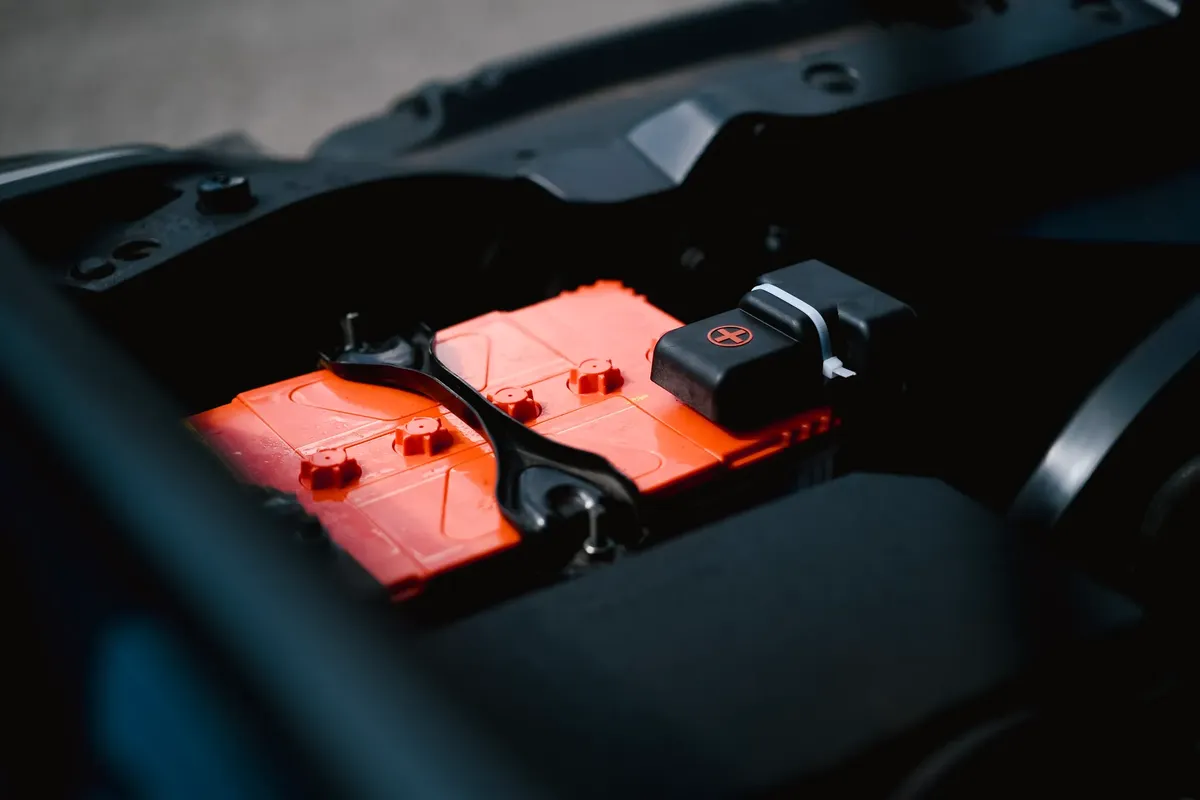
A fire marshal examines a battery installation, looking for signs of gas leakage or chemical degradation. According to the National Fire Protection Association (NFPA), fire is not the only battery safety issue.
While fire is the most visible risk, other hazards like toxic gas release, electrical shock, and sudden loss of power are significant. For example, a battery might fail through "venting," where gases are released without an immediate flame, creating an inhalation hazard.
This reality means that safety protocols must include gas detection and ventilation strategies.
Recognizing these diverse risks allows for better-designed containment and emergency response plans. Safety is not just about stopping flames, but about managing the chemical and electrical energy safely.
How do we apply safety standards to new battery technologies?
A researcher consults a thick manual of international standards while testing a new prototype. Applying safety standards involves matching the specific chemical and electrical properties of a battery to established testing protocols.
- Verify that the physical housing meets impact and vibration standards. 2. Test the battery management system's ability to handle rapid discharge and charge cycles. 3. Implement redundant cooling and isolation mechanisms. 4. Perform a final check on software-driven cell balancing.
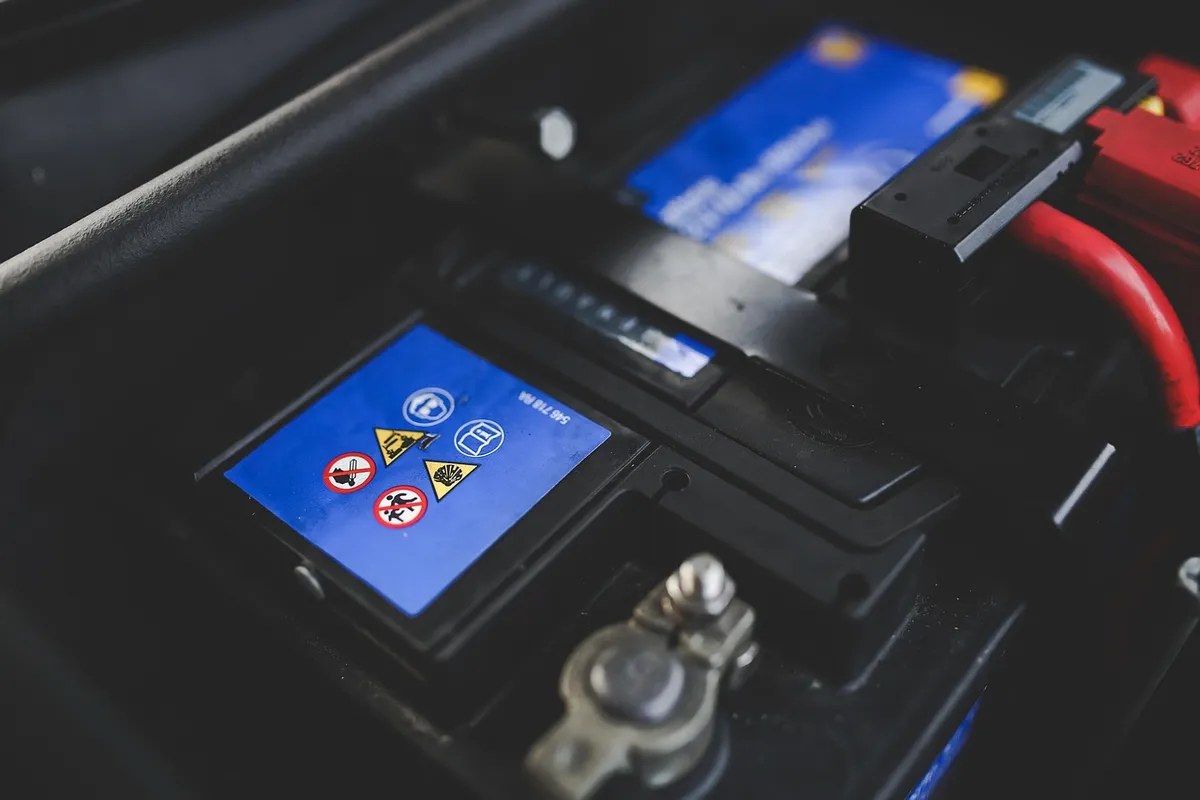
I once observed a technician performing a routine load test on a large-scale storage module to verify its response to sudden current draws. This kind of practical verification ensures that the engineered safety features work in real-world conditions.
| Aspect | Focus Area |
|---|---|
| Vehicle Safety | Crash resistance and active safety |
| System Safety | Thermal management and cell synchronization |
A limitation of current safety testing is that it may not fully simulate every possible environmental condition, such as extreme humidity combined with high-speed kinetic impact.
The same subject is also called EV battery safety issues.
The same subject is also called ESS safety considerations.
The same subject is also called Charging synchronization risks.
Achieving full charge sync
Related







Comments 0