EV battery policy support: Guide to transit fleet scaling
"The transition to electric mobility is not merely a shift in technology but a massive logistical undertaking involving significant public procurement and infrastructure testing."
The current landscape of battery EV policy support involves large-scale government procurement and rigorous technical testing to transition public transit fleets to electric power.
This guide examines historical procurement data, testing milestones, and the rapid expansion of available vehicle models to understand how policy drives adoption.
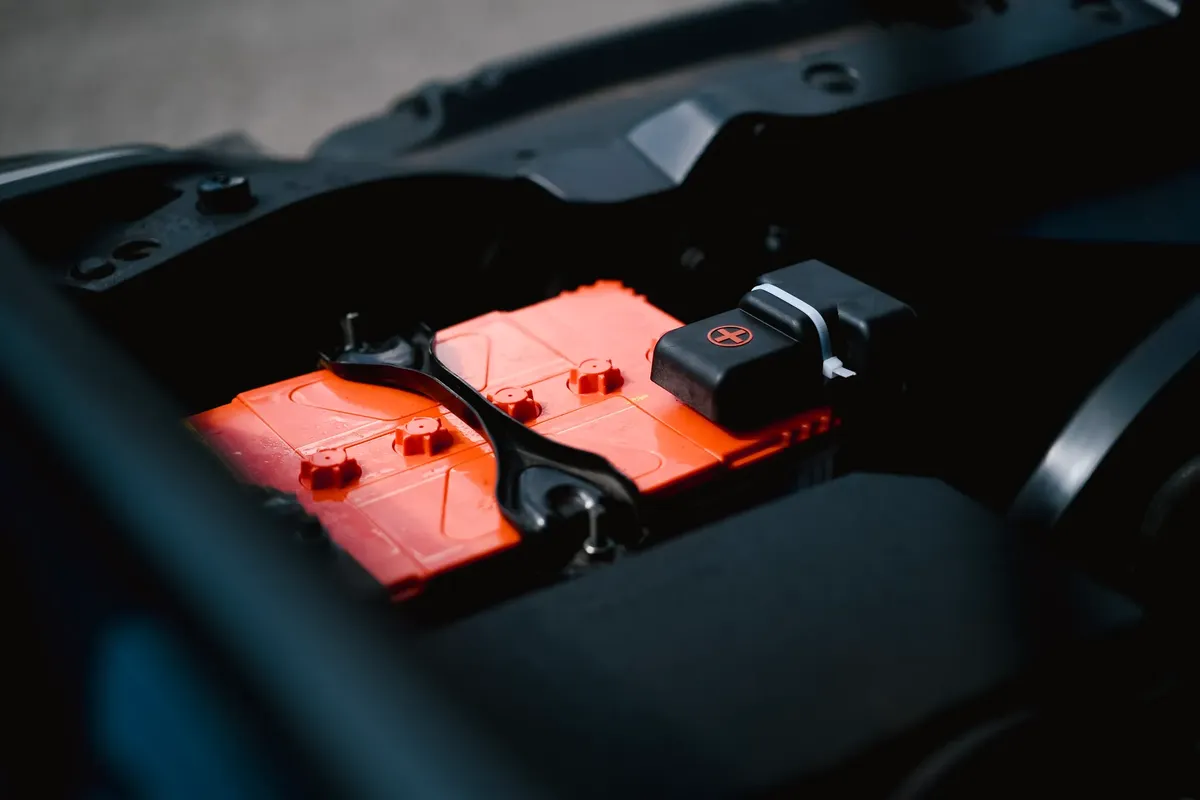
Key takeaways include the scaling of electric bus fleets, the importance of collaborative testing, and the growing variety of consumer-ready electric models.
How does EV innovation policy impact large-scale transit?
At sunrise in the depot, the official stares at the paperwork while feeling the heavy weight of a new battery-powered fleet.
A government official reviews a fleet procurement document on a quiet morning, noting the shift from small pilot programs to massive fleet acquisitions. This shift demonstrates how an EV innovation policy can transform public transportation through substantial capital investment.
In late 2018, the Land Transport Authority moved to modernize its fleet by procuring 60 fully electric buses.
This group included 20 BYD K9 buses, 20 ST Engineering-Linkker LM312 Electric Buses, 10 Yutong E12 single-decker buses, and 10 Yutong E12DD double-decker buses, for a total of $50.64 million. This initial investment set the stage for much larger acquisitions in later years.
The scale of these purchases shows how policy-driven demand can stabilize the market for electric transit. By committing to specific models, authorities ensure they have a diverse range of vehicle types to meet different urban needs.
This strategic procurement acts as a catalyst for manufacturers to refine their electric technology.
What defines the current electric car policy status? EV battery policy support
The engineer runs a hand over the blueprints in the quiet office, contemplating the massive scale of the new battery technology.
An engineer examines a blueprint for a new charging station, considering how the increasing variety of vehicles will impact the grid.
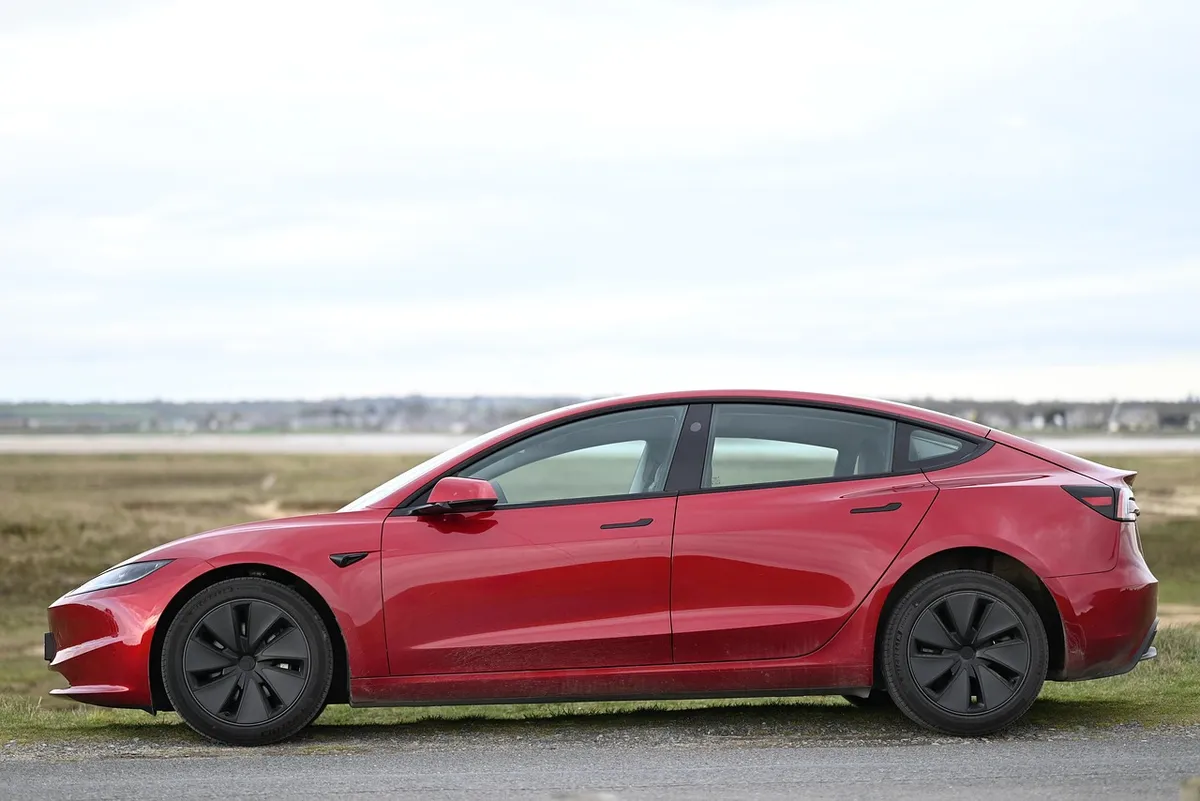
The current electric car policy status is characterized by a massive increase in consumer choices, moving from niche offerings to a wide array of highway-capable models.
According to the International Energy Agency, there were about 250 models of highway-capable plug-in electric passenger cars available for sale in the world as of December 2019. This was a significant jump from the 70 models available in 2014.
This growth reflects how policy support and market readiness have converged to offer more variety to the public.
The expansion of available models suggests that the market is moving toward standardization and accessibility. As more manufacturers enter the space, the diversity of vehicle types helps satisfy different consumer requirements.
This variety is a direct result of the evolving landscape of electric vehicle development.
How do government EV investment trends shape the future?
A procurement officer signs a massive contract, looking at the sheer number of vehicles destined for city streets. Analyzing government EV investment trends reveals a trajectory of rapid scaling, where initial small-scale orders evolve into massive fleet overhauls.
On 25 November 2023, the Land Transport Authority procured 360 electric buses. This massive order consisted of 240 BYD BC12A04 and 120 Zhongtong N12 buses, totaling $166.4 million.
This represents a significant increase in both the number of vehicles and the total capital expenditure compared to previous years.
| Date | Number of Buses | Total Cost |
|---|---|---|
| 24 October 2018 | 60 | $50.64 million |
| 25 November 2023 | 360 | $166.4 million |
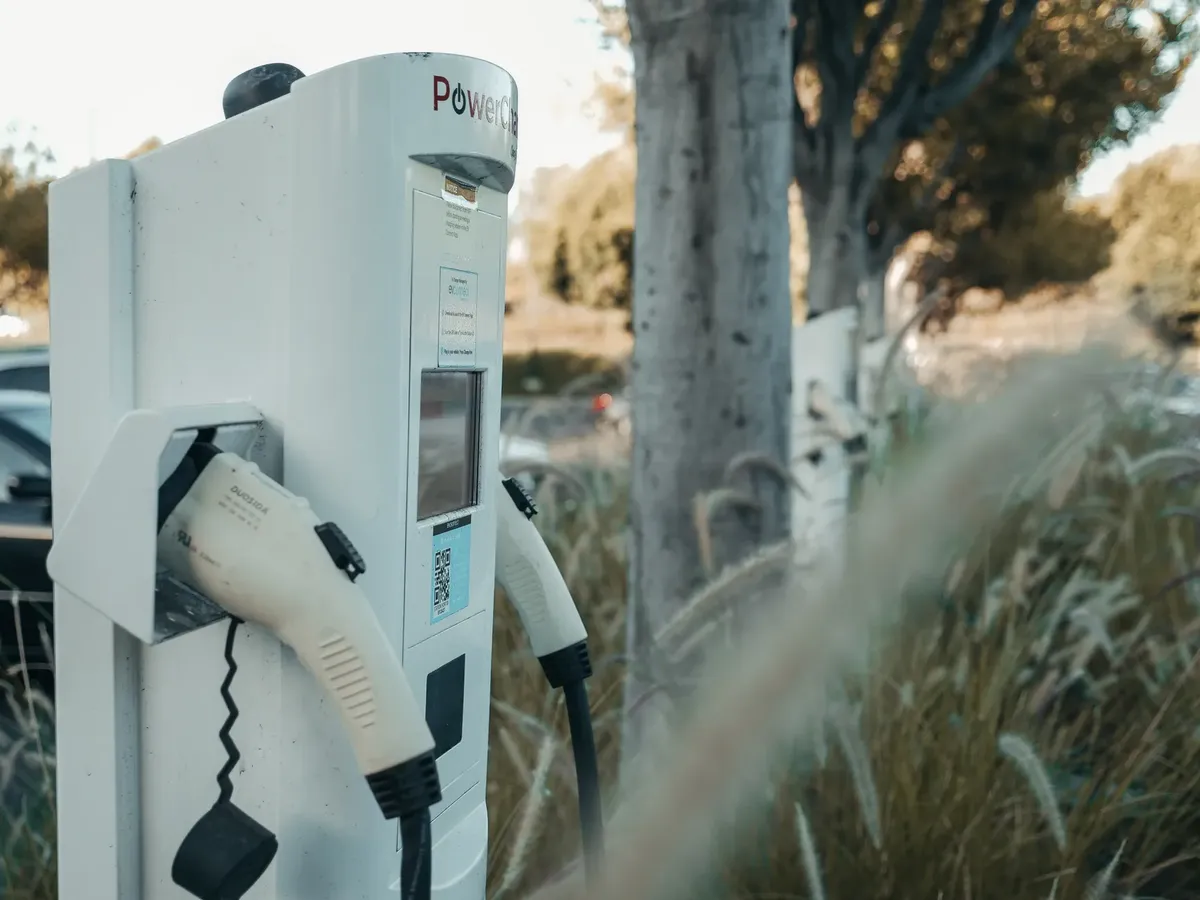
I looked at these figures and noted the massive jump in quantity and budget over just five years. The data shows that as technology matures, the scale of investment grows to meet the needs of larger urban populations. This trend indicates a long-term commitment to electrification.
What role does testing play in battery technology support plans?
A researcher monitors a battery temperature readout during a high-stress test cycle in a controlled laboratory. To ensure reliability, battery technology support plans often include collaborative testing between transit operators and scientific institutes.
On November 3, 2014, Dresdner Verkehrsbetriebe and the Fraunhofer Institute for Transportation and Infrastructure Systems began testing battery buses. Such early testing phases are critical for identifying technical limitations and refining energy management systems.
These partnerships bridge the gap between theoretical innovation and real-world application.
Testing provides the data necessary to refine vehicle range and durability. Without these rigorous evaluations, the transition to electric transit would face much higher risks of failure.
Early movers in the industry often use these testing periods to establish the standards that later models will follow.
How can we manage the transition to electric fleets?
A fleet manager organizes a schedule for charging and maintenance, ensuring that the new electric buses are ready for their routes. Managing a transition to electric power requires a structured approach to procurement, testing, and model selection.
- Establish initial procurement targets to introduce electric technology to the fleet. 2. Partner with research institutes to conduct real-world testing of battery systems. 3. Scale up orders based on the performance data and reliability of the initial fleet.
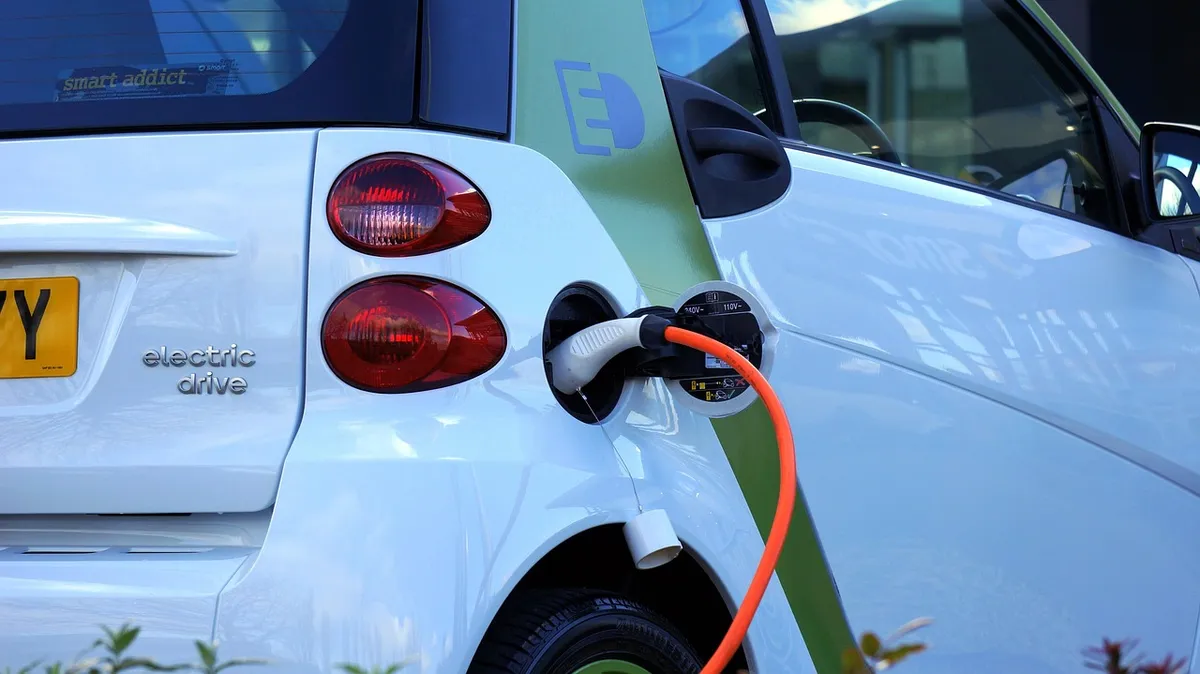
A final check involves verifying that the new vehicles meet the specific operational requirements of the city's transit routes. This systematic approach ensures that the transition is both economically viable and technically sound.
The limitation of these policy trends is that they are heavily dependent on the specific procurement schedules and technological readiness of the chosen manufacturers.
- How does EV innovation policy impact large-scale transit?
- What defines the current electric car policy status?
- How do government EV investment trends shape the future?
The subject here is EV battery policy support.
The same subject is also called Battery EV government aid.
Related


Comments 0