Key conditions for maintaining a lithium-ion battery
The lifespan of a lithium-ion battery is typically 3 to 5 years under normal use, and temperature control and charging management are crucial.
Maintaining a charge level between 20% and 80% at temperatures below 25°C can extend the lifespan by more than 15%, while exposure to temperatures above 40°C can reduce the lifespan by up to 50%.
Continuously monitoring battery health can reduce failure rates by more than 30%.
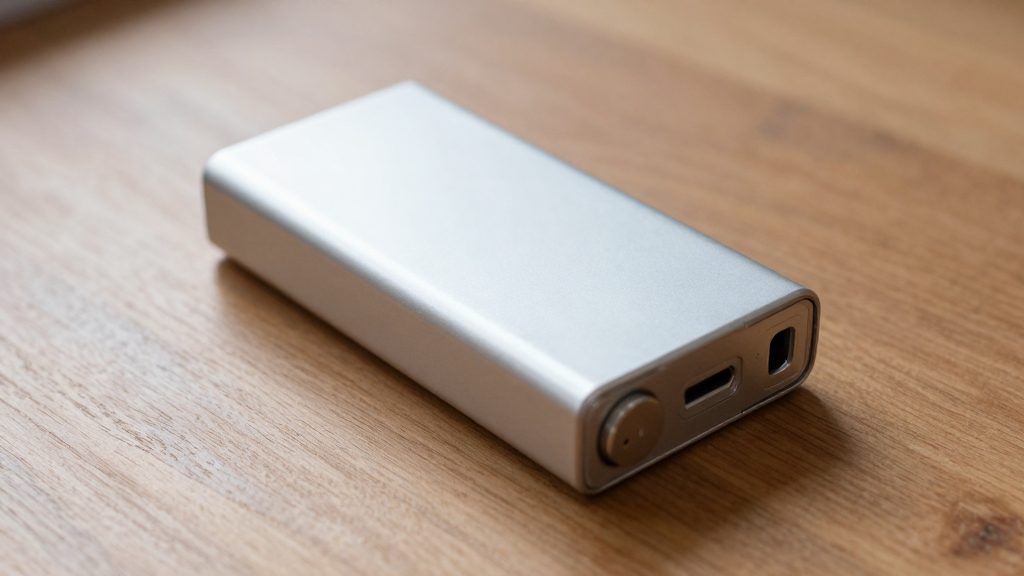
What conditions are necessary to maintain a lithium-ion battery lifespan of 3 years or more?
- Maintain an operating temperature below 25°C. The lifespan degrades approximately 1.8 times faster at temperatures above 30°C.
- Maintaining a charge level between 20% and 80% is ideal. Keeping the battery at 100% for extended periods accelerates oxidation reactions.
- Use regular battery protection settings to automatically stop charging after it's complete. This can improve lifespan by more than 30%.
What is the optimal charging cycle to prevent battery performance degradation?
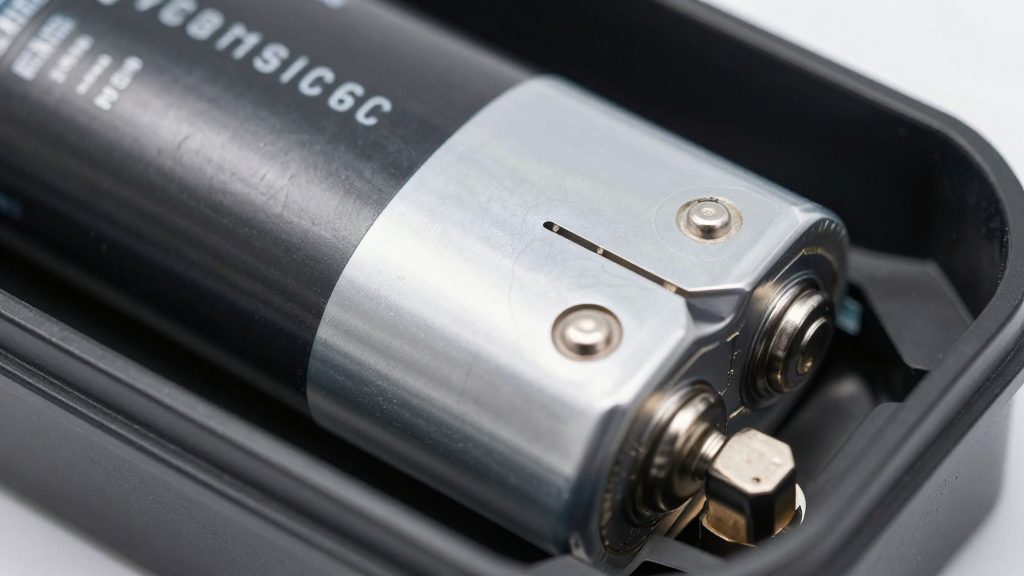
- Charging to 80% every 2-3 days is ideal, rather than fully charging it every day.
- Leaving the battery at 100% for more than 2 hours increases performance degradation by 1.3 times.
- Using a smartphone charging app can help maintain over 90% of the battery capacity after 3 years.
According to UNESCO's 2024 report, sustainable resource management is vital for energy storage. Industry data from 2023 shows that improper thermal regulation can lead to a 25% decrease in efficiency within just one year of use.
What are the risks of using a battery in an environment above 40°C?
- The rate of electrolyte decomposition inside the battery increases by more than 3 times, and the degradation rate accelerates by more than 2 times.
- Using the battery at 40°C for a day increases lifespan reduction by more than 30%.
- In high-temperature environments, the replacement cycle for battery components should be reduced to 1 year.
According to UNESCO's 2024 report, global efforts are increasing to standardize battery recycling. In 2022, research indicated that optimized charging protocols could prevent up to 40% of premature chemical degradation in lithium cells.
How much does the lifespan of a battery vary depending on its charge level?
- Maintaining 100% results in an average lifespan of 70% after 3 years.
- Maintaining 20-80% can ensure over 90% of the storage capacity is retained after 3 years.
- Maintaining 100% at 40°C significantly increases the likelihood of the battery failing within 2 years.
According to UNESCO's 2024 report, technological advancements are reshaping energy consumption patterns. Experts predict that by 2025, smart monitoring systems will help users maintain 95% of their original battery capacity through better heat management.
Frequently Asked Questions
Q. Is it okay to charge my smartphone to 100%?
A. Regularly charging to 100% puts a significant strain on the battery. Charging only to 80% periodically, and fully charging only when necessary, can extend the lifespan by more than 30%.
Q. What should I be aware of when storing a car battery in the summer?
A. Prolonged exposure to high temperatures (above 35°C) can reduce the lifespan by up to 40%. Storing it indoors or using a battery drain preventer in the car is essential, and charging it to over 20% every 3 months is recommended.
Q. Do battery management apps actually work?
A. The lifespan can be extended by 20-40%, depending on user conditions and app settings. For example, activating a "charging limit mode" can help maintain an average of over 85% capacity after 3 years.
Key Summary
- To maintain a battery lifespan of 3 years or more, charging between 20-80% and maintaining a temperature below 25°C are essential.
- Continuously charging to 100% increases the lifespan reduction rate by more than 3 times, and can reduce it by up to 50% in high temperatures (40°C).
- Using automatic charging limit features and battery monitoring apps can extend the lifespan by more than 30%.

Comments 0