Solid state battery limits: Tips for overcoming tech hurdles
"The transition from liquid electrolytes to solid-state architectures represents a fundamental shift in energy storage, yet the journey from laboratory success to mass production remains fraught with material science hurdles."
Solid state battery manufacturing issues often arise from the inherent brittleness of solid electrolytes and the difficulty in maintaining seamless contact between layers. Engineers must balance ionic conductivity with mechanical stability to ensure these cells survive real-world usage.

This guide explores the technical limits of current production and the paths toward scaling these next-generation energy solutions.
What's stopping solid-state battery manufacturing? A technician carefully presses a ceramic electrolyte layer against a lithium anode, watching for microscopic cracks that could lead to catastrophic failure. The primary challenge lies in the interface between solid components, where even tiny gaps impede the flow of ions.
In traditional liquid-based cells, the electrolyte flows to fill every crevice, but solid materials require perfect physical contact to work. This lack of surface contact can lead to high resistance, effectively limiting the power output of the battery.
Achieving this density at scale is one of the most significant solid state battery manufacturing issues facing the industry today.
How do we overcome next gen battery tech hurdles? Solid state battery limits
At midnight in the quiet lab, the researcher adjusts the heavy press to fuse the thin, solid sheet against the metal.
A researcher adjusts a high-pressure press, attempting to fuse a thin ceramic sheet to a metal current collector without shattering the material. Overcoming these hurdles requires innovative approaches to material density and interface engineering.
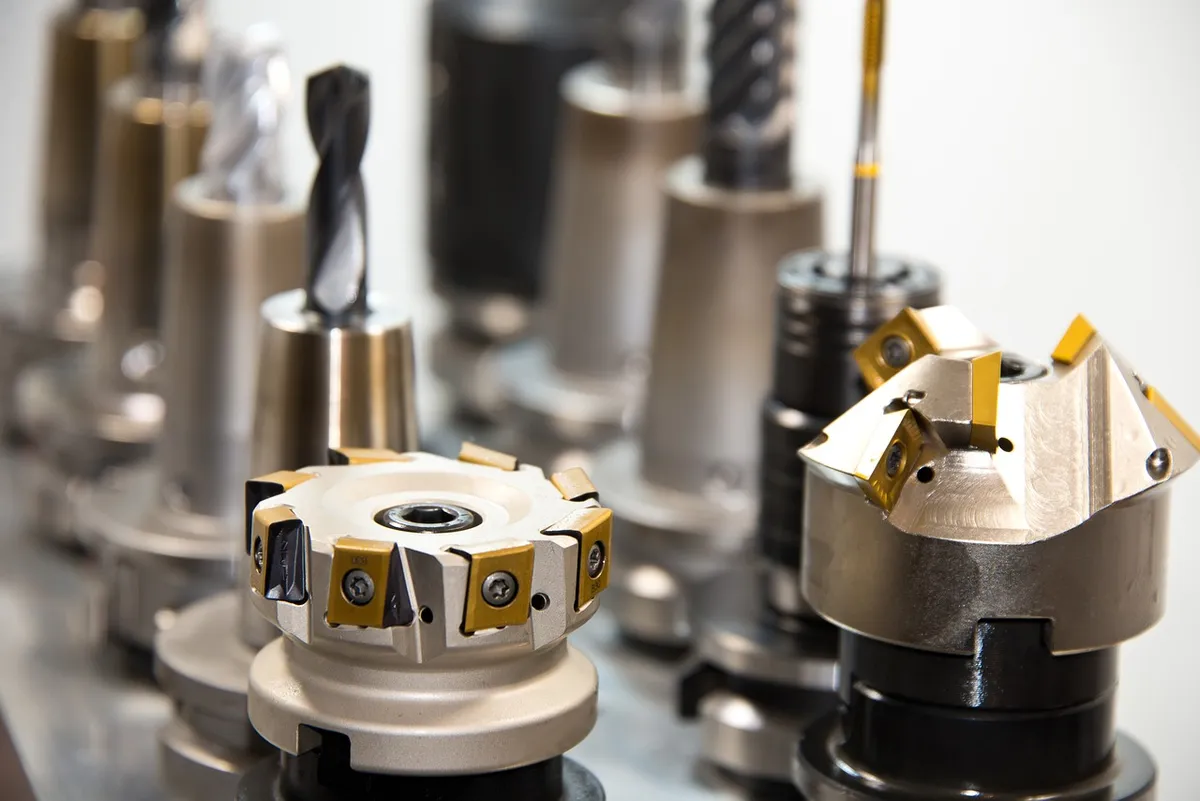
One method involves using specialized coatings to bridge the gap between the solid electrolyte and the electrodes. Another strategy focuses on developing composite materials that combine the strength of ceramics with the flexibility of polymers.
Addressing these next gen battery tech hurdles requires a deep understanding of how materials behave under mechanical stress and thermal cycling.
What is limiting solid electrolyte production? An engineer inspects a batch of ceramic-based separators, noting that the brittle nature of the material makes it difficult to roll into thin, large-format sheets. The physical properties of the electrolyte itself dictate the feasibility of large-scale production.
Ceramics generally can withstand high temperatures ranging from 1,000 to 1,600 °C (1,830 to 2,910 °F). While this thermal stability is an advantage, the fragility of these materials makes them difficult to process using current high-speed manufacturing lines.
These solid electrolyte production limits mean that much of the current research is focused on making these materials more robust for industrial handling.
Can we find solutions for solid state battery scaling solutions?
A factory worker monitors a continuous sintering furnace, where temperature profiles must be perfectly controlled to prevent cracks in the ceramic layers. Scaling up involves moving from small, hand-assembled cells to massive, automated production lines.
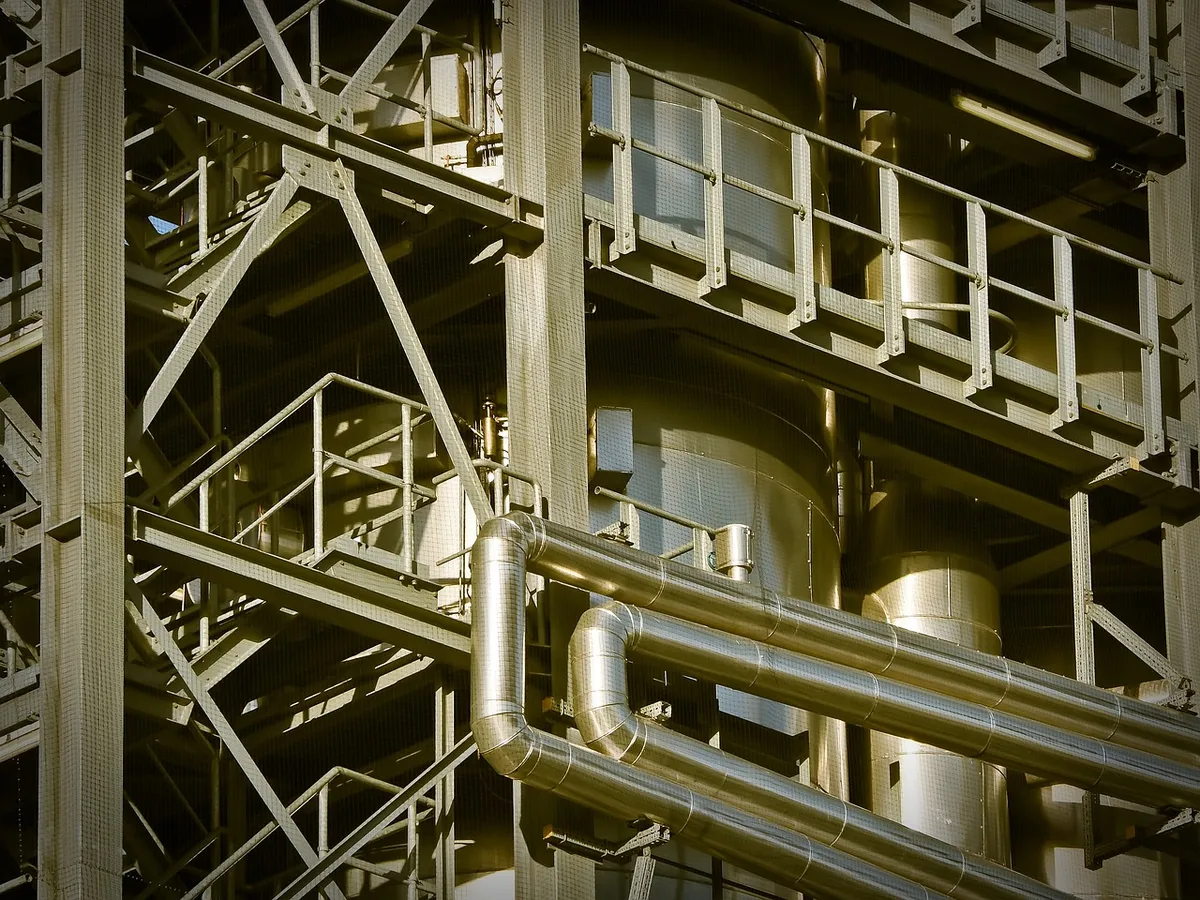
To move toward mass production, companies are investigating much thinner electrolyte layers to improve energy density. This requires much higher precision in manufacturing to prevent short circuits caused by pinholes or defects.
Developing these solid state battery scaling solutions involves perfecting techniques like thin-film deposition and advanced sintering to ensure uniformity across large surface areas.
How does thermal stability affect manufacturing?
A scientist tests a glass-ceramic sample, subjecting it to rapid heating to observe how it reacts to sudden temperature shifts. Thermal management is a critical factor in both the design and the production of solid-state cells.
Certain glass-ceramics can sustain repeated and quick temperature changes up to 1000 °C. While this stability is useful, the mismatch in thermal expansion between different solid layers can cause internal stress during the manufacturing cooling phase.
Managing these thermal properties is essential to prevent the delamination of layers during the assembly process.
What are the current limitations of the technology?
A quality control specialist uses a microscope to check for microscopic voids in a newly produced solid-state cell. Even a single microscopic defect can compromise the entire unit's performance or safety.
One significant limitation is the difficulty of maintaining mechanical integrity when the battery undergoes volume changes during charging and discharging. For instance, if one layer expands more than another, the brittle solid electrolyte may crack, leading to a loss of contact.

This mechanical instability remains a primary obstacle to the widespread adoption of solid-state technology.
- What are the primary solid state battery manufacturing issues?
- How do we overcome next gen battery tech hurdles?
- What are the solid electrolyte production limits?
The subject here is Solid state battery limits.
The same subject is also called Solid battery manufacturing issues.
The same subject is also called EV battery production challenges.
This part also covers Overcoming solid battery limits.
This part also covers Improving battery manufacturing yield.
Related





Comments 0