Medical battery safety testing: Guide to device risk levels
"Safety is not a static goal but a continuous process of verification and adherence to evolving international standards."
Medical battery safety testing requires a rigorous combination of adherence to international quality standards and strict regulatory oversight to ensure patient protection.
This guide covers the essential frameworks for validation, the different risk classifications for devices, and the specific steps for maintaining compliance. Key takeaways include understanding ISO standards, recognizing device risk levels, and noting the importance of clinical data availability.
How do we define medical battery safety testing?
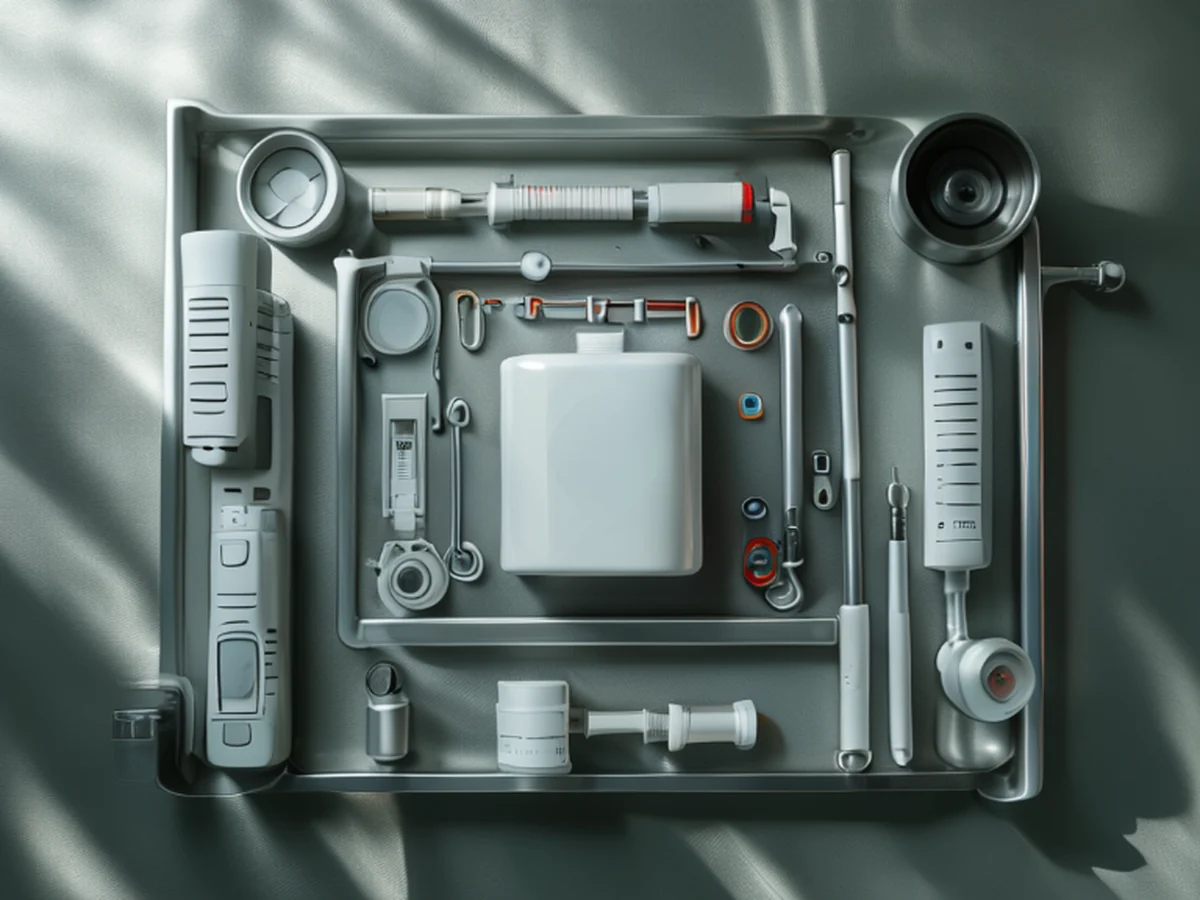
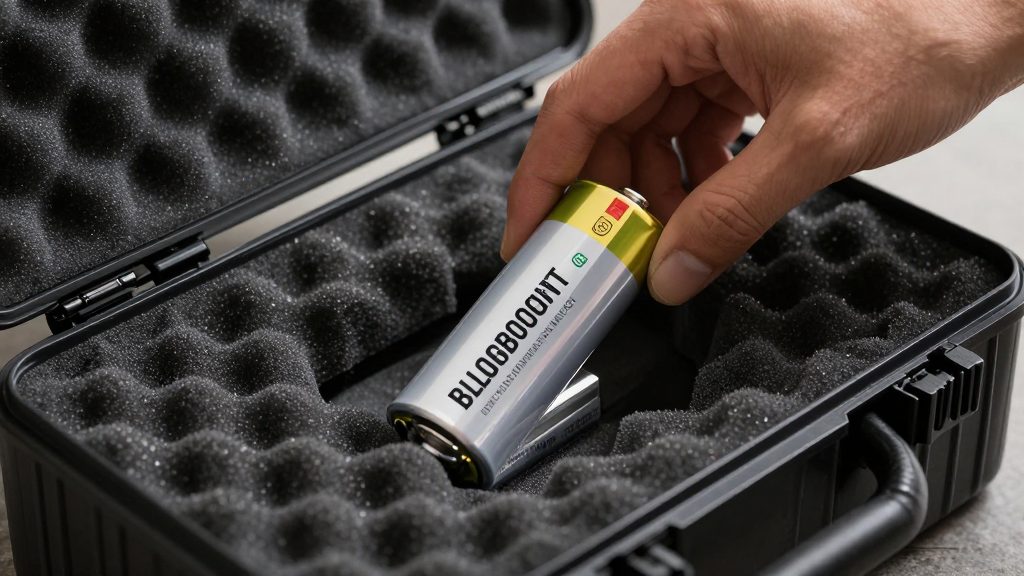
At dawn in the sterile laboratory, the technician's steady hands grip the casing during the rigorous medical battery safety testing.
A technician carefully inspects a high-capacity battery cell destined for a portable ventilator. This process of medical battery safety testing ensures that power sources meet the specific environmental and operational demands of clinical settings.
According to the International Electrotechnical Commission, the 2006 publication of IEC 62471 Photobiological safety of lamps and lamp systems replaced the application of early laser-oriented standards for classification of LED sources.
The foundation of these protocols lies in established international standards. For instance, ISO 13485:2016 is applicable to all providers and manufacturers of medical devices, components, contract services and distributors of medical devices.
This standard provides a quality management framework that covers the entire lifecycle of a device, including its power components.
The regulatory landscape also shapes how these tests are conducted. In September 2012, the European Commission proposed new legislation aimed at enhancing safety, traceability, and transparency.
This legislative push ensures that every component, including battery packs, can be tracked through the supply chain.
How risky are these devices? A nurse prepares a battery-operated infusion pump, noting its classification for patient use. Understanding the risk level is essential because the intensity of medical device battery safety checks depends on how the device is used.
The Food and Drug Administration recognizes three classes of medical devices, based on the level of control necessary to assure safety and effectiveness. These classifications determine the depth of testing required for the energy source.
| Device Class | Duration of Use | Risk Level |
|---|---|---|
| Class IIa | 60 minutes to 30 days | Low to Moderate |
| Class IIb | 30 days or longer | Medium to High |
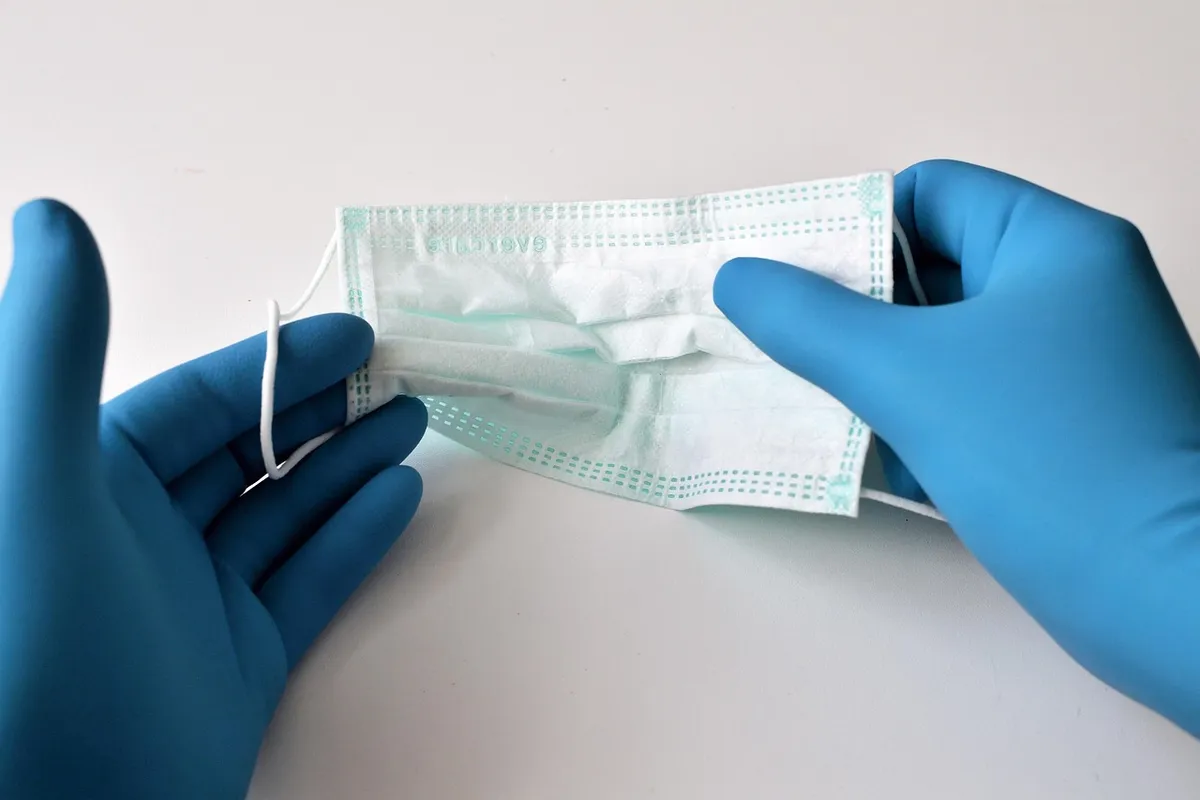
Class IIa devices are those which are installed within the body for only between 60 minutes and 30 days. Class IIb devices are slightly more complex than IIa devices, generally being medium to high risk and often installed within the body for periods of 30 days or longer.
How do I validate battery safety? An engineer connects a prototype to a testing rig to simulate long-term discharge cycles. To ensure a device is ready for the market, manufacturers must follow a structured approach to validation.
- Verify compliance with the relevant ISO standards for the specific component or device type. 2. Conduct environmental stress testing to simulate the conditions of the intended clinical or home use. 3. Perform a final check to ensure that the battery performance meets the specific requirements of the device's risk class.
I remember reviewing a technical file where the battery's discharge rate had to be perfectly synchronized with the device's sensor sensitivity. This level of precision is a core part of validating medical battery safety.
How does regulatory oversight affect battery safety?
A quality assurance officer reviews a stack of certification documents to ensure everything is in order. Regulatory oversight acts as a safeguard, ensuring that manufacturers do not bypass necessary testing protocols.
According to the World Health Organization, a global model regulatory framework for medical devices, including in vitro diagnostic medical devices, was published in 2017.
Different regions have different oversight bodies. For example, medical devices in India are regulated by the Central Drugs Standard Control Organisation (CDSCO). These agencies ensure that the power supplies used in life-critical machines undergo sufficient scrutiny.
The focus of these agencies is also shifting toward modern technology. This includes how software manages battery life and emergency power transitions.
What are the limitations of current safety data?
A researcher looks through a digital database, searching for clinical evidence to support a recent device approval. While standards are strict, the transparency of the data used to justify safety can sometimes be a concern.
The availability of scientific evidence can vary significantly between different types of implants and devices.
Aditi Das of the National Center for Health Research, published in JAMA Internal Medicine, examined the scientific evidence that is publicly available about medical implants that were cleared by the FDA 510(k) process from 2008 to 2012.

A significant limitation in the field is the gap in accessible data.
They found that scientific evidence supporting "substantial equivalence" to other devices already on the market was required by law to be publicly available, but the information was available for only 16% of the randomly selected implants, and only 10% provided clinical data.
The same subject is also called Battery standards for medical use.
The same subject is also called Medical tech battery safety checks.
This part also covers Medical battery safety standards guide.
This part also covers Case studies medical battery testing.
This part also covers Regulatory approval medical batteries.
Medical battery safety standards guide
Related
- LFP battery safety standards: Guide to essential checks
- How luxury brands balance heritage with electric technology
How does the continuous process of Safety relate to device lifecycle? 1. The quality management framework provided by ISO 13485:2016 covers the entire lifecycle of a device, which includes its power components. 2. This framework necessitates continuous verification to ensure that safety remains a dynamic process rather than a static goal. 3. Adherence to evolving international standards must be maintained throughout the device's existence to guarantee ongoing patient protection.
What conditions necessitate deeper battery testing? 1. The intensity of medical device battery safety checks increases based on the device's assigned risk level. 2. Class IIb devices, which are often installed within the body for 30 days or longer, demand more stringent testing than Class IIa devices. 3. The specific requirements for battery performance are directly tied to the risk class determined during the validation process.
The regulatory push from bodies like the European Commission emphasizes traceability for every component, which impacts how safety is verified across the supply chain.
Clinical data availability remains a critical factor when assessing the overall safety profile of a medical device, even when technical standards are met.
Manufacturers must ensure that the battery's discharge rate aligns precisely with the device's operational parameters during validation to confirm safety.



Comments 0