ESS factory expansion strategy: Guide to 25% growth rate
"The growth of energy storage systems relies on the ability to scale production while managing the lifecycle of maturing battery technologies."
An ESS factory expansion strategy must balance rising global demand with the technical requirements of repurposing aging cells for stationary storage.
This guide covers the scaling of production capacity, the integration of second-life batteries, and the technical standards for reliable energy delivery.
Key takeaways include managing a projected 25% growth rate, understanding capacity ratings, and utilizing retired vehicle batteries for renewable energy backup.
How does the demand for battery manufacturing scale up?
A production manager stands before a massive assembly line, watching robotic arms move components with rhythmic precision. This constant movement reflects the massive scale required to meet global energy needs.
Between 2010 and 2018, battery demand grew by 30% annually, reaching a total of 180 GWh in 2018. This historical surge set the stage for much larger requirements in the coming decade.
A conservatively estimated 25% growth rate is expected to be maintained in the future. This trajectory suggests that demand could culminate in reaching 2600 GWh by 2030.
The sheer volume of production needed to meet these targets requires significant capital investment and logistical planning. Scaling up involves optimizing chemical processes and assembly speeds to handle these massive capacity shifts.
What are the core ESS plant growth tactics? ESS factory expansion strategy
Late at night, an engineer runs her fingers over the cold metal of a repurposed cell within the factory.
An engineer adjusts the settings on a control panel, ensuring the thermal management system is perfectly calibrated for a new batch of cells. The goal is to stabilize output across a massive installation.
One effective tactic is the repurposing of electric vehicle batteries. When vehicle electric batteries have their capacity reduced to less than 80%—which usually occurs after 5 to 8 years of service—they can be repurposed for backup supplies or renewable energy storage systems.
Integrating these second-life components into an ESS factory expansion strategy allows for more cost-effective scaling. This approach utilizes existing energy assets to meet the growing needs of the grid.
Effective tactics also involve managing specific discharge requirements. For example, a 4.4 MWh battery system that can deliver 11 MW for 25 minutes is used to stabilize the output of the Auwahi wind farm in Hawaii.
How to manage energy storage factory plans?
Late at night, the manager traces the blueprints with a trembling hand while the hum of the factory vibrates through the floor.
A technician carefully inspects a large-scale battery rack, checking the connections to ensure consistent current flow. Reliability is the primary concern when managing large-scale energy assets.

To manage energy storage factory plans effectively, one must adhere to established capacity standards.
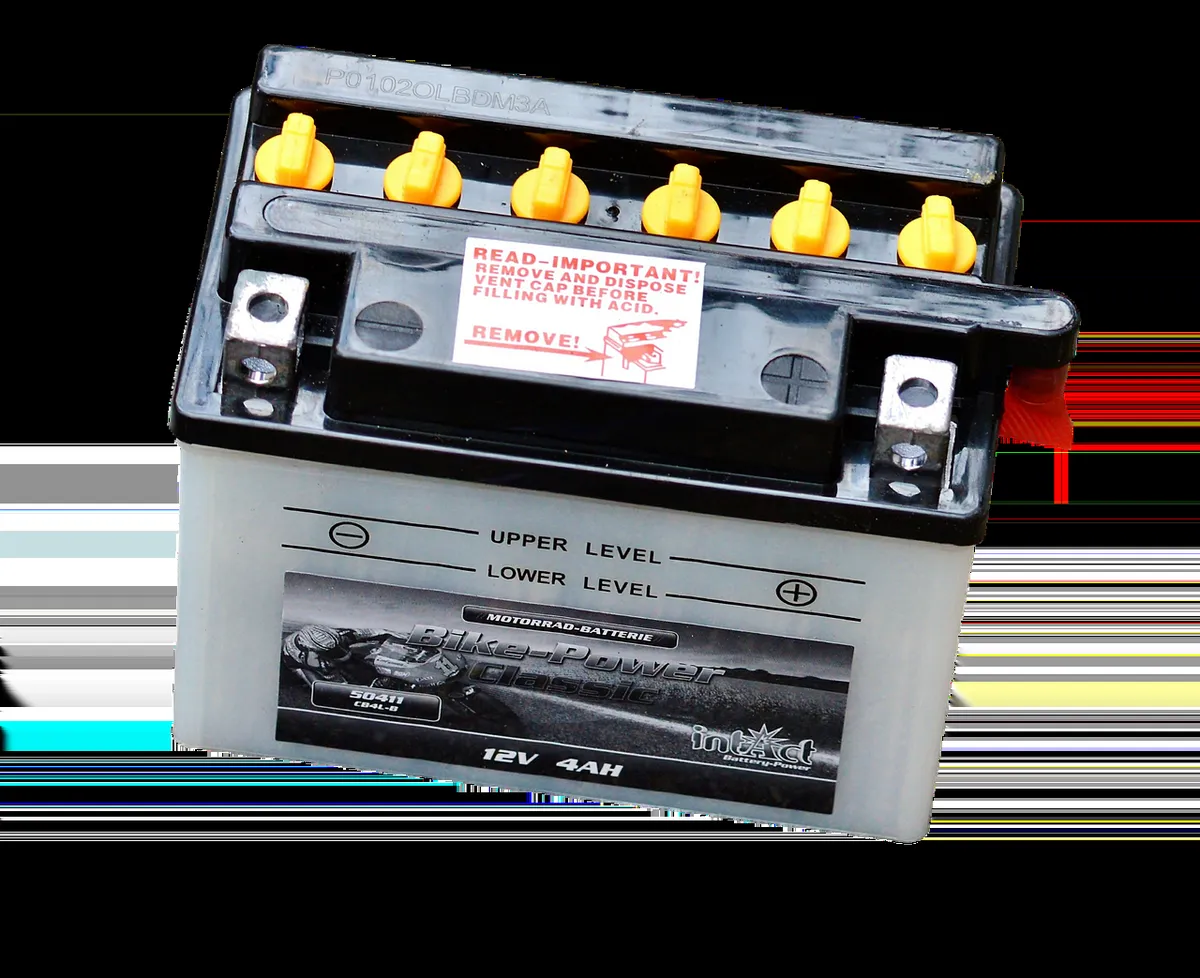
The rated capacity of a battery is usually expressed as the product of 20 hours multiplied by the current that a new battery can consistently supply for 20 hours at 20 °C (68 °F), while remaining above a specified terminal voltage per cell.
Managing these plans requires a focus on three specific steps: 1. Define the required discharge time based on the application. 2. Verify the terminal voltage stability under load. 3. Calibrate the thermal environment to maintain the rated temperature.
A final check ensures that the discharge rate aligns with the intended use case. I remember checking a prototype rack where we had to ensure the current remained stable over the full 20-hour window to meet the specific rating.
What are the advanced battery production requirements?
A scientist examines a microscopic cross-section of a battery cell, looking for uniformity in the electrode coating. Advanced production requires extreme precision to ensure long-term stability.
According to the World Trade Organization, China quickly developed a reputation as the "world's factory" through its manufacturing exports following its 2001 entry into the World Trade Organization.
Advanced battery production must account for varying discharge standards. Standards for rechargeable batteries generally rate the capacity and charge cycles over a 4-hour (0.25C), 8 hour (0.125C), or longer discharge time.
The manufacturing process must be flexible enough to accommodate different chemistries. For example, in 2009, experimental lithium iron phosphate (LiFePO4) battery technology provided the fastest charging and energy delivery, discharging all its energy into a load in 10 to 20 seconds.
Building a factory requires planning for these diverse performance profiles. The ability to switch between high-power-density and high-energy-density production lines is a key competitive advantage.
How to integrate battery tech for ESS growth?
A facility planner reviews a blueprint of a massive warehouse, mapping out the placement of incoming battery modules. The plan must account for both new and repurposed units.
Integrating battery tech for ESS growth involves balancing the life cycles of different battery types. This is especially important when mixing new production with second-life cells.
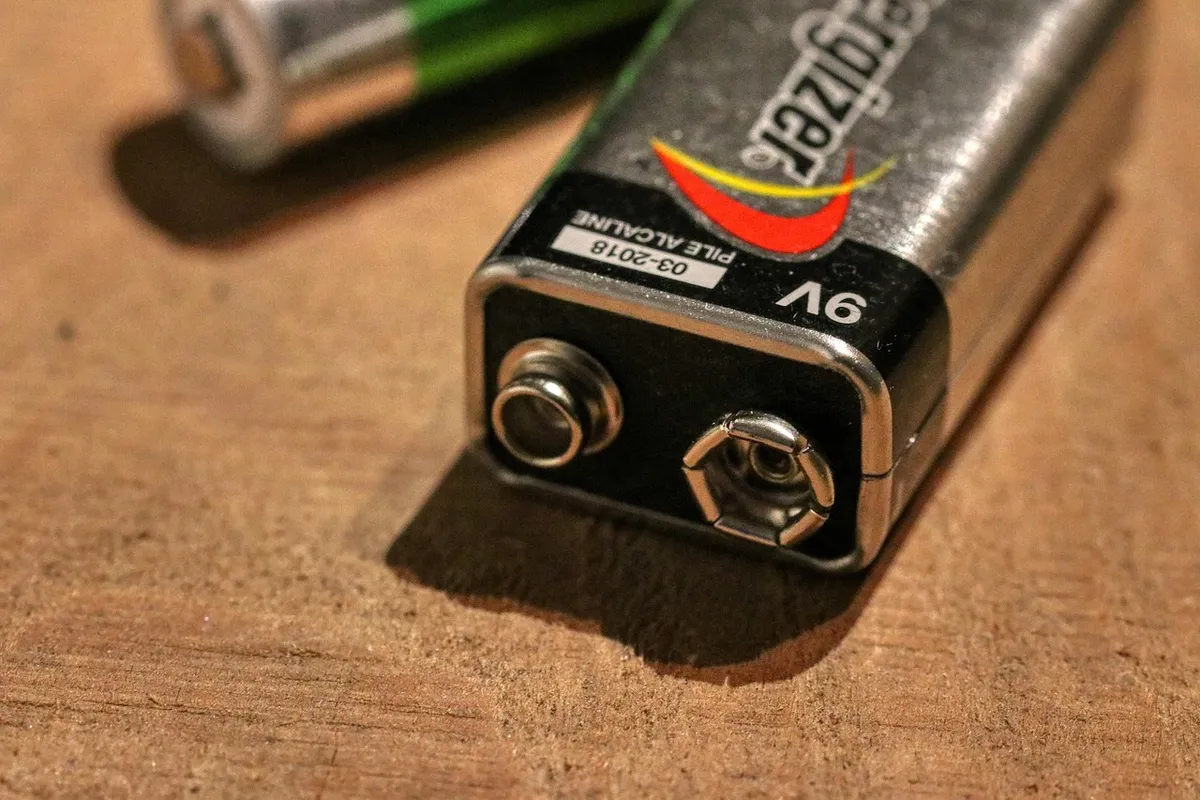
One limitation of this integration is the variability in self-discharge rates.
Old rechargeable batteries self-discharge more rapidly than disposable alkaline batteries, especially nickel-based batteries; a freshly charged nickel cadmium (NiCd) battery loses 10% of its charge in the first 24 hours, and thereafter discharges at a rate of about 10% a month.
The strategy must include robust management systems to monitor these varying discharge rates. Without precise monitoring, the stability of the entire energy storage system could be compromised.
This part also covers Supply chain for ESS expansion.
This part also covers Global ESS market strategy.
Related
- ESS market K battery chance: 108 GW additions guide
- China Li-ion ESS strategy: Why high-nickel materials help
What considerations affect energy storage system growth? 1. The lifecycle of maturing battery technologies influences the overall growth trajectory of energy storage. 2. Managing the capacity ratings is crucial when scaling production to meet rising global energy demand. 3. Repurposing aging cells directly impacts the cost-effectiveness of factory expansion strategies.
The integration of second-life batteries into ESS operations provides a method for utilizing existing energy assets. This approach helps meet the increasing needs of the grid through resourceful management of battery components.
The stability of the entire energy storage system depends on monitoring varying discharge rates among mixed battery types. Without this precise monitoring, the intended energy delivery could face compromise.
A key caution involves the self-discharge rates of older rechargeable batteries compared to disposable alkaline batteries. Nickel-based batteries exhibit a more rapid loss of charge over time.
The successful scaling of production capacity requires optimizing chemical processes and assembly speeds. This optimization allows the factory to handle the massive shifts in required energy volume effectively.






Comments 0