Are solid-state batteries truly a "game changer"? Let's break it down in simple terms.
<!--img--> 
There's a term that frequently appears in the news, touted as "the technology that will revolutionize electric vehicles." That term is "solid-state battery." To be clear, while it has immense potential, there are still significant hurdles to overcome. Let's break down what makes it so promising and why it's not yet in our cars.
Why Solid-State Batteries are Gaining Attention
Current batteries use a "liquid" electrolyte as the pathway for electricity. Solid-state batteries replace this liquid with a "solid." This seemingly simple change makes a big difference.
- Safety: Because there's no liquid that can leak or explode, the risk of fire is significantly reduced.
- Driving Range: They can store more energy in the same size, allowing for a longer driving range on a single charge.
- Charging Speed: Their structure allows for faster charging speeds.
- Lifespan: They have the potential to last longer due to less degradation.
But Why Aren't They Here Yet?
No matter how advanced the technology, it can't reach the market if it can't be produced "in large quantities and at a low cost." The biggest challenge for solid-state batteries is the stability and cost of mass production processes. While it works in a laboratory, producing consistent quality at scale is a completely different challenge. That's why global automakers and battery companies are fiercely competing to commercialize this technology.
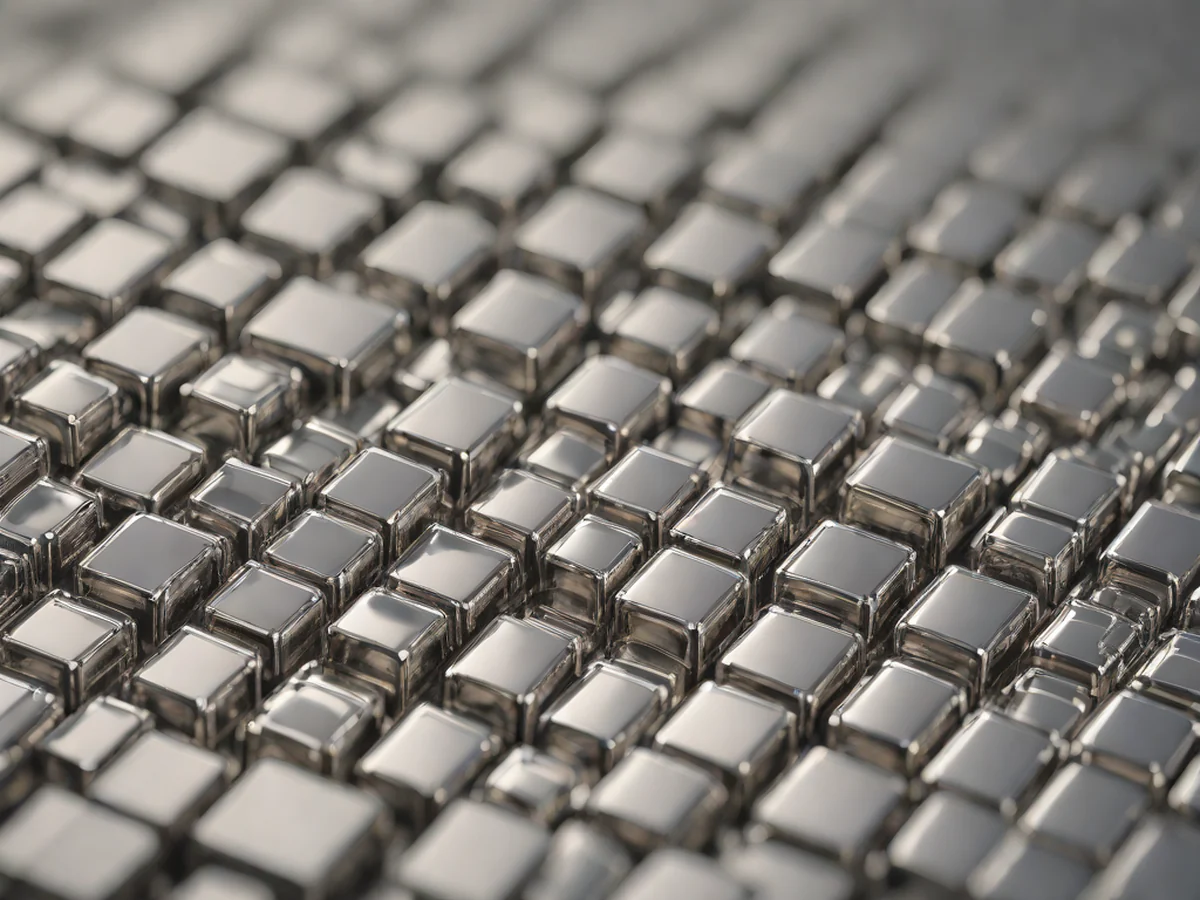
Looking closer, there are three main technical challenges that are holding things back:
- Contact between Solids: Unlike liquids, solid electrolytes don't always make perfect contact with the electrodes. Even tiny gaps can reduce performance.
- Material Costs: Some of the high-performance solid electrolyte materials are still expensive and difficult to handle.
- Durability Testing: It takes a long time to verify that they can withstand thousands of charge and discharge cycles over several years.
Who Will Be the First to Succeed in Mass Production?
Currently, companies in South Korea, Japan, and China are developing this technology in different ways. Some are taking a gradual approach, introducing "semi-solid" batteries first.

The company that succeeds in mass production first is likely to dominate the battery market for the next 10 years.
In a Nutshell
- What's Different: Liquid electrolyte → Solid electrolyte.
- Advantages: Potential for significant improvements in safety, driving range, charging speed, and lifespan.
- Challenges: Stability and cost of mass production processes, durability testing.
- Timeline: Many believe we'll see "semi-solid" batteries first, followed by fully solid-state batteries later.
From a consumer's perspective, it's wise to evaluate new cars based on actual improvements in safety, driving range, and price, rather than being swayed by the term "solid-state." Battery News provides in-depth and timely information on solid-state batteries, as well as secondary batteries, energy storage systems (ESS), materials, and company trends, from the perspectives of investors and industry professionals.
<!--enr--> ## Quick Comparison
| Category | Item A (Solid-State Battery) | Item B (Conventional Lithium-Ion Battery) |
|---|---|---|
| Electrolyte Type | Uses solid electrolyte | Uses liquid electrolyte |
| Safety | Significantly reduced fire risk | Inherent instability due to liquid component |
| Driving Range and Energy Density | High energy storage capacity, potential for increased driving range | Limited by current performance thresholds |
| Charging Speed | Inherently capable of fast charging | Relatively slower charging |
| Mass Production and Cost | Low process stability and high material costs delay commercialization | High technological maturity and scalable mass production |
Frequently Asked Questions (FAQ)
Q1. Why are solid-state batteries considered safer? Liquid electrolytes can leak or explode, but solid electrolytes are physically more stable, significantly reducing fire risks.
Q2. Why aren't solid-state batteries yet used in cars? Challenges include process stability and cost for mass production, as well as technical limitations such as imperfect contact between solid electrolytes and electrodes.
Q3. How much could driving range increase with solid-state batteries? Even at the same size, higher energy density means they could potentially travel 20–30% farther on a single charge compared to current batteries.
Q4. When will solid-state batteries actually hit the market? Fully solid-state batteries still need time, but hybrid "semi-solid" versions will be gradually commercialized and widespread adoption is expected from the mid-2030s onward.
Related posts
Five Practical Tips for Extending the Lifespan of Lithium-ion Batteries.
Five Key Principles to Double the Lifespan of Lithium-ion Batteries.

Six Key Principles to Prevent "Performance Degradation" in Lithium-ion Batteries.
Lithium-ion batteries vs. solid-state batteries: Where is the future energy strategy for
Popular posts
Five Practical Tips for Extending the Lifespan of Lithium-ion Batteries.
Five Key Principles to Double the Lifespan of Lithium-ion Batteries.
Six Key Principles to Prevent "Performance Degradation" in Lithium-ion Batteries.
Comments 0