Technical obstacles hindering the commercialization of solid-state batteries.
<!--img--> 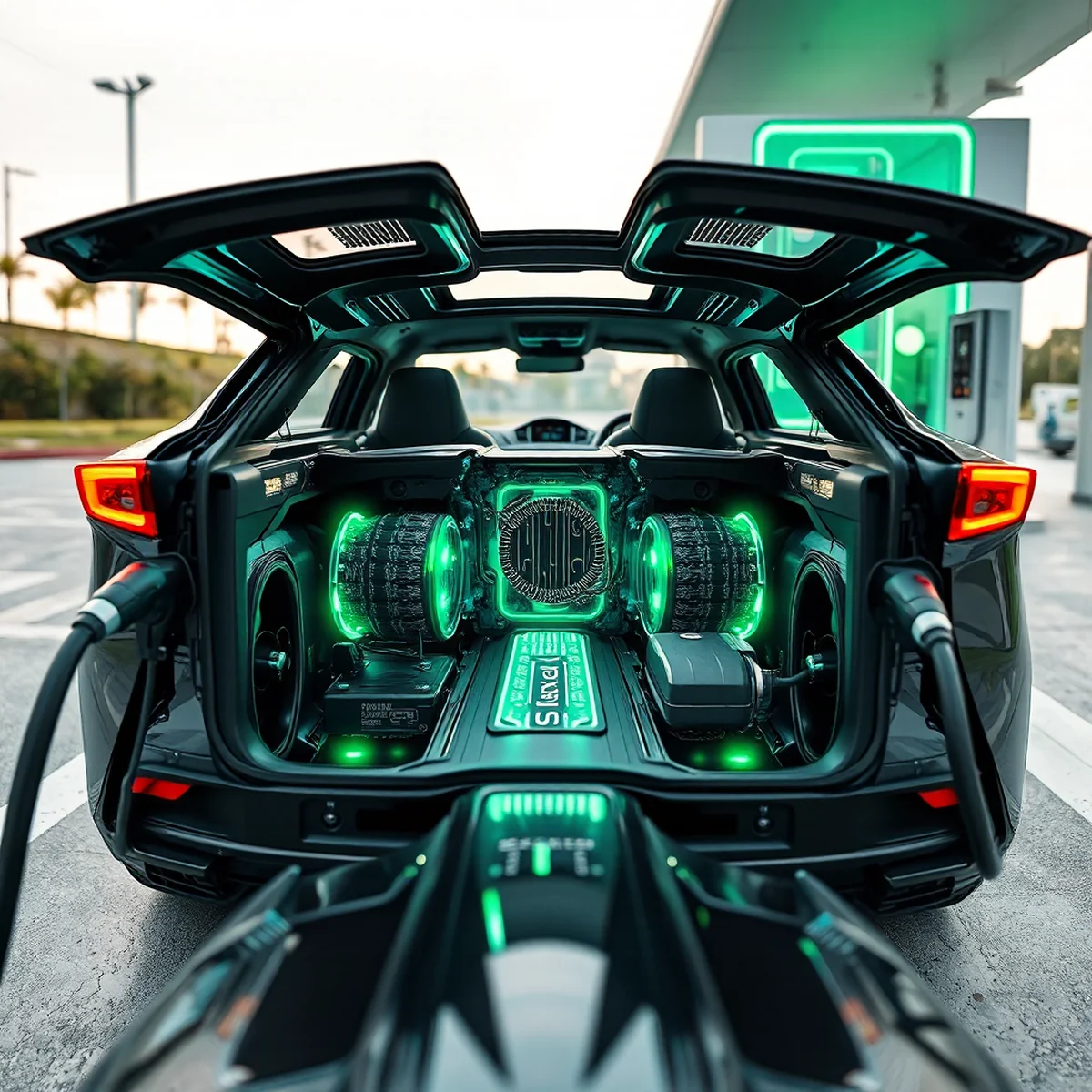
Solid-state batteries are a promising energy storage solution, but they face significant challenges before widespread adoption. Unlike traditional lithium-ion batteries that use liquid electrolytes and pose a fire risk, solid-state batteries utilize solid electrolytes, offering improved safety and energy density. They are particularly relevant to the rapidly growing electric mobility and green energy markets. However, numerous technical hurdles remain before this technology can be commercially viable. This article analyzes the key technical challenges hindering the commercialization of solid-state batteries and explores potential solutions and future prospects.
1. Limitations in Solid Electrolyte Conductivity and Stability
The core of a solid-state battery is the solid electrolyte. It provides a pathway for lithium ions to move while offering improved safety and thermal stability compared to liquid electrolytes. However, the conductivity of these solid electrolytes is still a major limitation. While typical liquid electrolytes achieve lithium-ion conductivities of around 10 mS/cm or higher, most solid electrolytes currently available are below 1 mS/cm. This lower conductivity, especially at room temperature, significantly limits battery performance.
Furthermore, solid electrolytes can react unstably with lithium metal. When lithium metal comes into contact with the electrolyte, it reacts to form impurities such as lithium fluoride (LiF) or lithium carbonate (Li₂CO₃). These impurities accumulate at the electrode-electrolyte interface, increasing resistance and reducing battery life.
Solid-state batteries can also experience significant volume changes during operation, which can lead to mechanical failure. For example, lithium metal anodes expand and contract during charging and discharging, which can cause cracks in the solid electrolyte. This can lead to a phenomenon called "lithium plating," where lithium metal deposits on the anode surface, leading to safety concerns.

2. Interface Stability Issues Between Electrodes and Solid Electrolytes
One of the biggest challenges in solid-state batteries is maintaining a stable interface between the electrodes and the solid electrolyte. Unstable reactions at this interface can lead to performance degradation. In particular, the interface between the lithium metal anode and the solid electrolyte is prone to forming an unstable layer of impurities, which hinders lithium-ion transport.
The "electrode-electrolyte interface" is a critical area where the extent of lithium penetration or reaction determines the battery's lifespan and performance. Some researchers refer to this layer as a "dead layer," highlighting the challenges it presents. For example, lithium metal can react with the electrolyte to form impurities like Li₂O and LiF, which impede lithium-ion transport.
Researchers are exploring various solutions to address this issue. These include applying thin metal films to the solid electrolyte, developing flexible interfaces that can accommodate volume changes, and designing "layered interfaces" with intermediate layers to block reactions. However, these technologies are still in the early stages of development and require further optimization for mass production.

3. Process Complexity and Manufacturing Costs
Another major obstacle to the commercialization of solid-state batteries is the complexity of the manufacturing process and the high production costs. Traditional lithium-ion batteries have relatively simple cell manufacturing processes that can be easily automated. In contrast, the use of solid electrolytes in solid-state batteries makes the manufacturing process much more complex.
First, it is difficult to form thick layers of solid electrolytes. The electrolyte must be very thin and uniform, while also maintaining its mechanical properties and allowing for efficient lithium-ion transport. Second, it is challenging to ensure uniform contact between the electrodes and the solid electrolyte during compression. This can lead to reduced current density and performance degradation.

Furthermore, the production lines for solid-state batteries are significantly different from those used for lithium-ion batteries, making it difficult to leverage existing investments. Commercialization requires new equipment and conversion costs, as well as precise control over manufacturing processes. In particular, lithium metal anodes are susceptible to oxidation in air, and exposure to oxygen and moisture during manufacturing can significantly degrade their performance. This requires specialized manufacturing facilities that maintain high temperatures, pressures, and vacuum conditions, further increasing costs.
Ultimately, solid-state batteries require 2 to 3 times higher manufacturing costs than lithium-ion batteries. Achieving economic viability requires developing more cost-effective and stable manufacturing processes, which is a major challenge to overcome.
Solid-state batteries remain at a crossroads, facing both technical challenges and economic constraints. However, recent collaborations between industry and researchers are gradually addressing these issues. The commercialization of solid-state batteries requires time, patience, and collaboration, and continued progress is expected in the coming years.
<!--enr--> ## Quick Comparison
| Aspect | Item A: Technical Barriers of Solid-State Batteries | Item B: Current Status of Lithium-Ion Batteries |
|---|---|---|
| Conductivity | Lithium-ion conductivity in solid electrolytes is below 1 mS/cm (at room temperature) | Liquid electrolyte conductivity exceeds 10 mS/cm |
| Interface Stability | Formation of impurity layers due to reactions between lithium metal and electrolyte, increasing interfacial resistance | Minimal reaction between electrolyte and electrodes; high stability |
| Manufacturing Process | Difficult to achieve uniform thickness in solid electrolytes; compression process is complex | Simple manufacturing due to liquid electrolyte use; easily automated |
| Manufacturing Cost | High cost due to requirements for high temperature, high pressure, and vacuum environments (2–3 times higher than lithium-ion) | Can leverage existing production infrastructure; low cost |
| Stability and Safety Risks | Electrolyte cracking caused by lithium metal expansion/contraction; risk of "lithium trigger" | Lower fire risk, but safety issues may arise during degradation |
Frequently Asked Questions (FAQ)
Q1. Why is the lithium-ion conductivity of solid-state batteries low? The lithium-ion conductivity of currently commercially available solid electrolytes is typically below 1 mS/cm, significantly lower than that of liquid electrolytes (about 10 mS/cm or higher). This limited conductivity at room temperature restricts battery performance.
Q2. Why is the interfacial stability between electrodes and solid electrolytes low? When lithium metal anodes contact solid electrolytes, reactions occur between lithium and the electrolyte, forming impurities such as LiF and Li₂CO₃. These compounds reduce ionic conductivity and increase interfacial resistance, hindering lithium-ion transport and thereby shortening driving range and lifespan.
Q3. What are the main challenges in manufacturing processes that make solid-state batteries difficult to commercialize? It is challenging to form solid electrolytes uniformly and thinly, and maintaining consistent contact with electrodes remains difficult, resulting in low current density. Additionally, lithium metal readily oxidizes in air, requiring high-temperature, high-pressure, and vacuum conditions during manufacturing—increasing both cost and complexity.
Q4. Why are solid-state batteries expensive to produce? Unlike conventional lithium-ion battery production lines, solid-state batteries require highly precise manufacturing processes. The adoption of new equipment and the maintenance of specialized environments (vacuum, dry conditions) are essential. As a result, production costs are currently 2 to 3 times higher than those of conventional batteries, making economic viability still uncertain.
Popular posts
Five Practical Tips for Extending the Lifespan of Lithium-ion Batteries.
Five Key Principles to Double the Lifespan of Lithium-ion Batteries.

Six Key Principles to Prevent "Performance Degradation" in Lithium-ion Batteries.
Comments 0